Homeowners run into the terms level 1, level 2 and level 3 chimney inspection mostly during a home sale, after a chimney fire, or when a contractor recommends one before installing a new appliance. NFPA 211, the standard that defines chimney and vent requirements, is where these three levels come from, and each one reaches further into the structure than the one before it. Knowing what separates them makes it easier to ask for the right one instead of the one a contractor happens to default to.
What each level covers
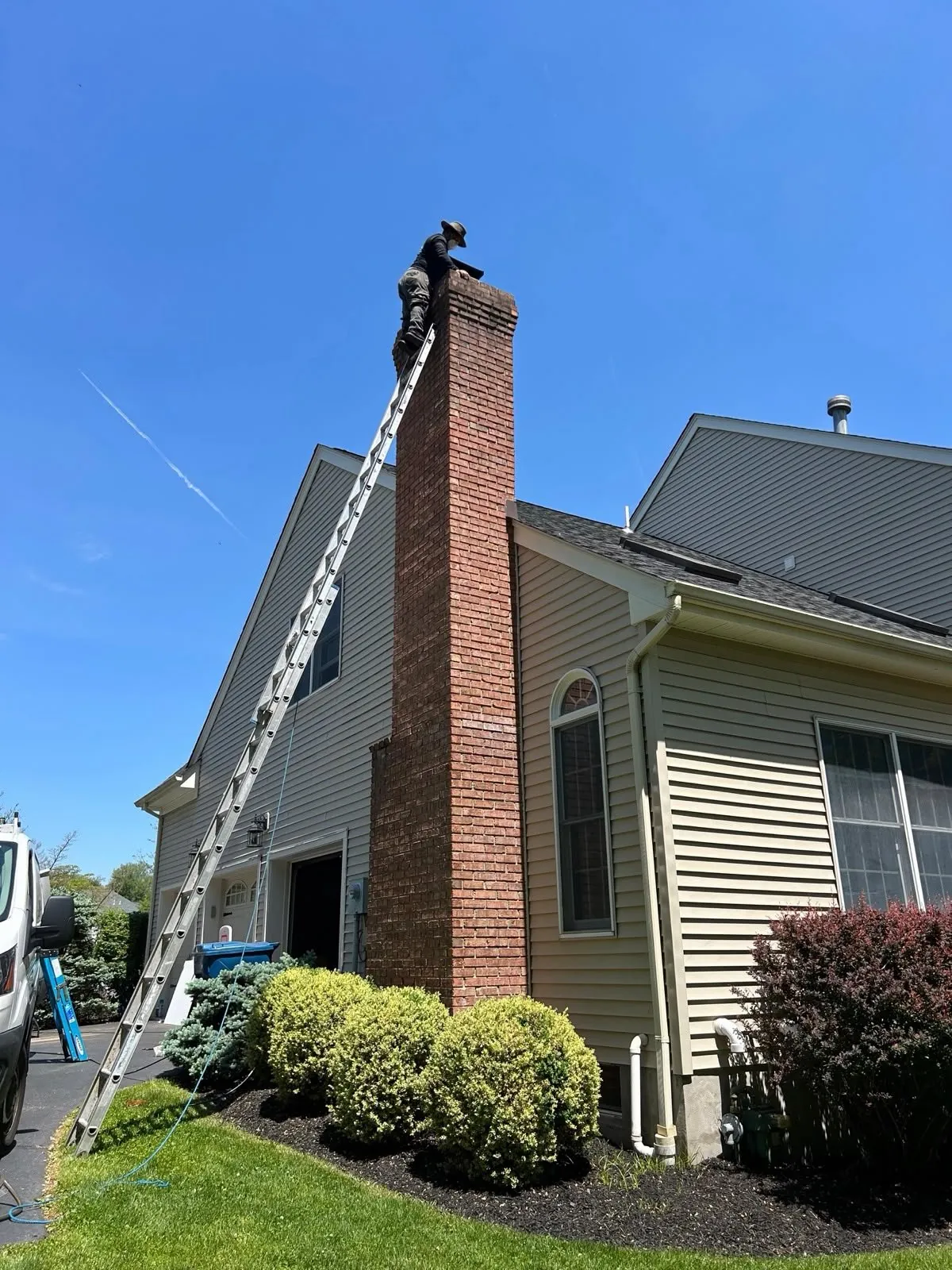
A level 1 inspection looks at the parts of the chimney that are readily accessible: the visible interior and exterior, the connection to the appliance, and as much of the flue as a technician can see from the top of the chimney or from a cleanout without special tools. It confirms there is no obstruction, no buildup heavy enough to matter, and no visible damage to the parts that can be seen this way. A level 2 covers all of that and adds attics, crawlspaces, and basements where the chimney passes through, along with a video scan of the full interior of the flue. A level 3 goes further still, and can call for removing sections of the chimney or nearby building material to reach a spot that a level 1 or level 2 could not access safely.
When a level 1 check is the right amount
A level 1 inspection fits a chimney that has been used the same way, with the same appliance and the same fuel, since the last inspection, and where nothing has raised a concern in between. That describes most wood-burning fireplaces and masonry chimneys venting a furnace across New Jersey, where an annual check paired with a cleaning catches creosote buildup and small mortar wear before either turns into a bigger repair. If the chimney has not changed and nothing unusual has happened to it, a level 1 is the standard recommendation, and there is little reason to pay for more than that.
When a chimney fire, a new appliance, or a sale calls for level 2
Three situations move an inspection from level 1 to level 2. The first is a chimney fire, even a small one that seemed to burn out on its own, since heat inside a flue can crack a liner without leaving a mark anyone would see from the top. The second is a change to the appliance connected to the chimney: swapping a furnace, adding an insert, relining the flue, or switching fuel type all change how the chimney is used, and a level 2 confirms the flue still suits that use. The third is a real estate transaction. During a home sale in Union County or Essex County, where older masonry chimneys are common, a level 2 gives a buyer a documented look at the flue rather than relying on what a level 1 can see from the ends alone.
What a camera scan of the flue shows
The video scan is what separates level 2 from level 1 in practice. A camera moves the length of the flue and records what a flashlight from the top or bottom cannot reach: cracked or missing sections of a clay tile liner, gaps at the mortar joints between them, offsets where sections no longer line up, and staining that shows where water or creosote has been sitting against the surface. A chimney can look sound from both ends and still have damage in the middle of the run, which is exactly why a level 1 inspection, useful as it is for a routine year, was not built to catch it.
When a level 3 inspection goes further
A level 3 inspection is reserved for a hazard that a level 1 or level 2 turned up but could not confirm without reaching a concealed area. This step is uncommon, and it can mean removing a chimney crown, a section of wall, or another piece of the structure to see whether damage extends past what the camera scan showed. A technician recommending one should walk through what was found and why the concealed area matters before any material comes out.
How cleaning and inspection work together
Chimney Cleaning and inspection are separate steps that work best done together. Heavy creosote or debris sitting against the flue wall can hide the exact cracks and gaps an inspection is looking for, so a cleaning that clears the surface first gives the inspection an accurate look at what is underneath. If a repair turns out to be necessary, a cracked liner, a deteriorated crown, or open mortar joints, that work falls under Chimney Repair and gets scoped separately once the inspection has confirmed what is wrong.
The timing that works best is booking a level 1 before heating season starts, moving to a level 2 right away after any chimney fire however small it seemed, and treating a level 2 as part of the paperwork for a home sale rather than an afterthought. Each level answers a different question, and asking for the one that matches your situation gets a more useful answer than defaulting to whichever one is quickest to schedule.