Air Duct Repair in New Jersey
Air duct repair fixes the leaks, disconnected joints and crushed sections that let conditioned air escape before it reaches your rooms. AMG finds the damage, seals and reconnects the runs, and restores the airflow so the furnace or air conditioner stops working harder than it should to keep the house comfortable.
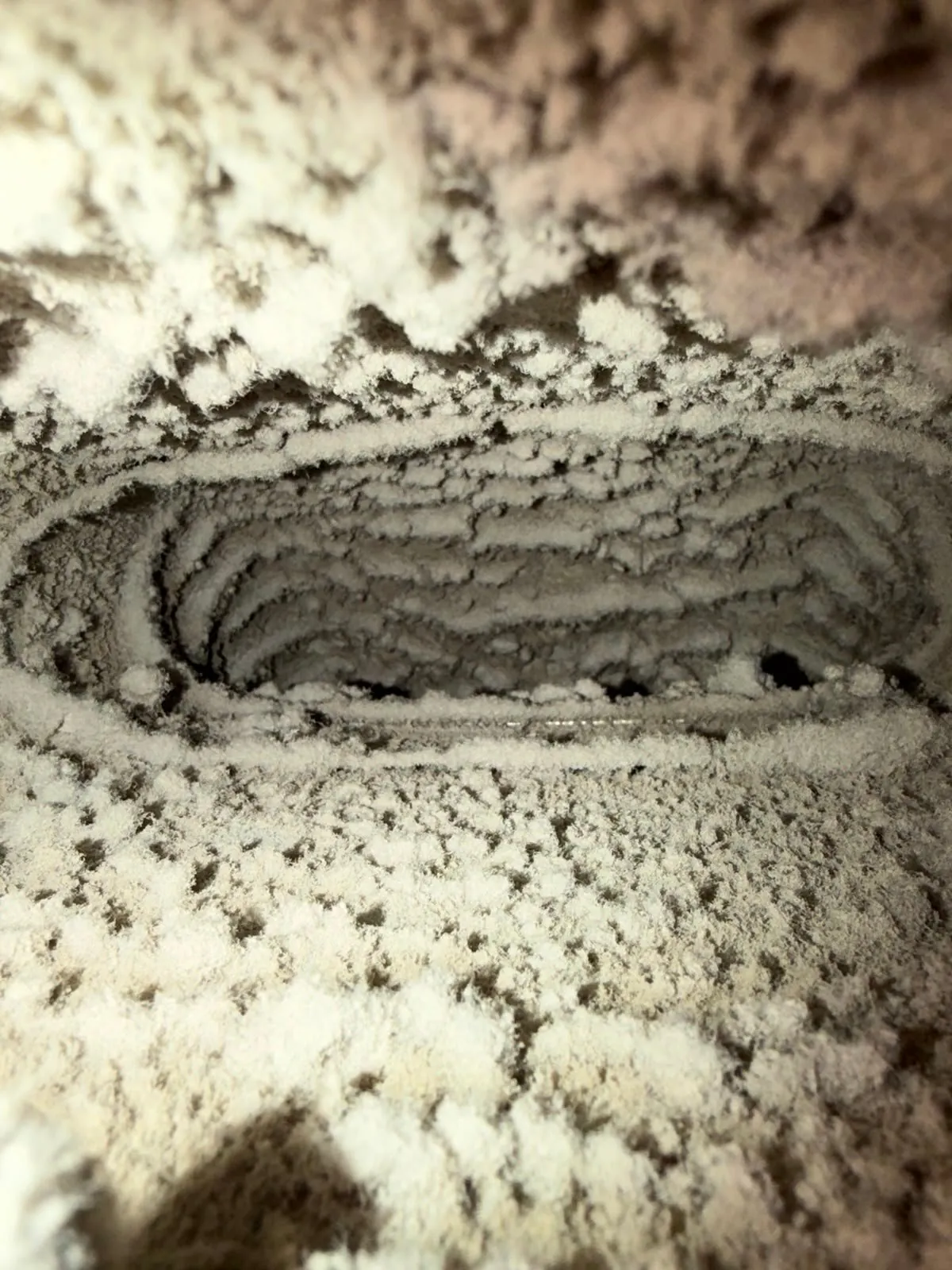
Ductwork takes damage in ordinary ways. Runs through an unconditioned attic or crawl space, common in older houses across Passaic County and Hudson County, pull apart at a joint or open at every seam as the house settles. A finished basement full of storage, or a contractor working near the ducts during a renovation, crushes or disconnects a run without anyone noticing until the room it feeds stops heating or cooling. In the river towns of Wayne and Little Falls, flex duct that took on water during a flood holds moisture in its insulation long after the basement dries.
The symptoms are easy to blame on the equipment: a bedroom that never reaches the thermostat setting, a system that runs longer cycles than it used to, a whistle near a duct run, a heating bill that climbed without a rate change. This page covers how AMG finds and seals leaks, reconnects and replaces damaged sections, the signs that a repair is overdue, and when repair is the right call instead of a full air duct installation.
How are duct leaks found and sealed?
Duct leaks show up at joints and seams, at the collar where flex duct meets a metal boot, and anywhere a section was never sealed in the first place. The crew tracks down the source by checking airflow at each register and inspecting the accessible runs rather than guessing from the thermostat, then seals it with mastic or foil-backed tape built to hold for years instead of the cloth-backed tape that dries out and peels within a few seasons.
This matters most where ducts run through an unconditioned attic or crawl space, which is most of the older housing in the state. A leak in one of those spaces sends heated or cooled air straight outside the living area, so the furnace or air conditioner ends up conditioning the attic, the thermostat never gets an honest read, and the equipment runs longer to make up the loss. Sealing those leaks is the cheapest comfort improvement most houses can make.
What happens when a duct run is disconnected or crushed?
A duct section pulls apart at a joint from age and settling, or gets crushed by foot traffic in a crawl space, boxes stacked in a basement, or work done by another trade. Either way, the room that line feeds loses airflow almost entirely while the rest of the house seems fine and the thermostat reads normal. In a split-level in Bergen County or Union County that is usually the top half-level; in a colonial with an attic air handler it is the far bedroom at the end of the flex run.
The crew reseats and reconnects separated joints, repairs or replaces crushed sections with matching metal or flex duct, and re-hangs sagging runs with new strapping so they are not crushed again the next time someone is in the crawl space. Insulation torn or pulled loose during the repair goes back before the section is closed. Where a flex run's insulation was soaked, the honest answer is to replace that section rather than dry it, and where the wet section grew anything, mold treatment and removal handles the coil and the components before the new duct goes in.
What are the signs that ductwork needs repair?
Rooms that never reach the temperature on the thermostat, a hiss or whistle near a duct run, and a jump in heating or cooling costs can all point to a leak or a disconnected section. A furnace or air conditioner that runs longer cycles than it used to is often working around damaged ductwork rather than failing on its own, and a service technician who finds nothing wrong with the equipment is a strong hint that the ducts are the problem.
More direct signs: visible gaps or separated joints in an attic or crawl space, dust or insulation fibers blowing out of a register, a musty smell at certain vents, and a return grille that pulls in far less air than the supply pushes out. Any one of these is worth a look. More than one together means the damage has been there for a while, and an air duct cleaning after the repair clears what the leak let in during that time.
When does duct repair beat replacement?
Most duct damage is limited to a section or a handful of joints, not the whole system, so a full installation is rarely necessary. Repair is the right call when one or two rooms are affected, when the rest of the ductwork is sound, and when the material itself, metal or flex, is still in good condition. If the damage is spread across most of the system, the crew says so and talks through what air duct installation would involve instead of repeated patches; a coil with recurring growth after a repair is the case for HVAC UV light installation.
Every repair starts with a free estimate, and the crew inspects the accessible ductwork in the attic, the crawl space and the basement before quoting. AMG is licensed and insured (NJ HIC 13VH13654300) and veteran owned, and the phone is answered 24 hours a day, 7 days a week, so a system that stopped delivering air to a bedroom in January does not wait for a business day. The repair ends with an airflow check at the affected registers and a walkthrough of what was found and fixed.
What is included
- Inspection of accessible ductwork in the attic, crawl space, and basement
- Leak detection at joints, seams, and duct boots
- Sealing with mastic sealant or foil tape at the source of the leak
- Reconnection of any separated sections
- Repair or replacement of crushed or torn duct sections
- Re-hanging sagging runs with new strapping so they do not crush again
- Insulation restored around repaired sections before closing them up
- A check of airflow at the affected registers before the crew leaves
Before and after
Real AMG work in New Jersey homes.

Questions and answers
Can leaking air ducts be repaired, or do they have to be replaced?
Most leaks are repaired. Joints, seams and collars are sealed, disconnected sections are reconnected, and a crushed run is reshaped or replaced piece by piece. Replacement is for ductwork that is damaged across most of the system, and the crew says which case it is looking at before any work starts.
How much does air duct repair cost in New Jersey?
There is no phone price, because one sealed joint and a crawl space of disconnected runs are different jobs. AMG finds the damage first, shows what it found, and gives the estimate free. Where the damage turns out to be widespread, the crew explains what air duct installation would involve instead of repeated patches.
How do I know if my ducts are leaking?
Uneven temperatures between rooms, a higher heating or cooling bill without a rate change, dust settling heavily around certain registers, and visible gaps in an attic or crawl space are the common signs. A furnace or air conditioner that runs longer than it used to without catching up to the thermostat is another, especially when a service visit finds nothing wrong with the equipment.
Can crushed ductwork be repaired, or does it have to be replaced?
Most crushed sections are repaired or replaced in place without redoing the system. Metal duct that was dented can often be reshaped and resealed; flex duct that was crushed flat or whose insulation got wet is replaced as a section. The crew says which applies after inspecting the run and seeing how much of it is damaged.
Is duct sealing worth it if the system still works?
Yes. A system that runs fine can still be pushing a share of its conditioned air out through leaks before it reaches the rooms. Sealing those leaks usually means better comfort in every room, more even temperatures between floors, and less strain on the furnace or air conditioner over the life of the equipment.
Do you repair ductwork in crawl spaces and attics?
Yes. Crawl spaces and attics are the two most common places the crew finds and repairs leaks, disconnections and crushed sections in New Jersey houses, including tight spaces that are hard to reach without knowing where to look. Runs are re-hung and strapped so they stay off the ground and clear of foot traffic.
What if my ductwork is too damaged to repair?
If the damage is spread across most of the system rather than a few sections, the crew says so directly and walks through what air duct installation would involve instead of ongoing patches. The free estimate covers both options so the decision is made with the real condition of the ducts in front of you.
More questions and answers about our work
Air Duct Repair across New Jersey
We provide air duct repair in every New Jersey county. Choose your county or town for local details.
Ready for cleaner air?
Tell us about your home and get a free estimate.