
The fireplace draws instead of smoking back
Smoke rolling into the room is usually a draft problem, not a fire-building problem. A swept flue with a clear cap and a damper that opens fully is what makes the difference on the first cold night.
Service 06 of 06
Swept from the crown down.
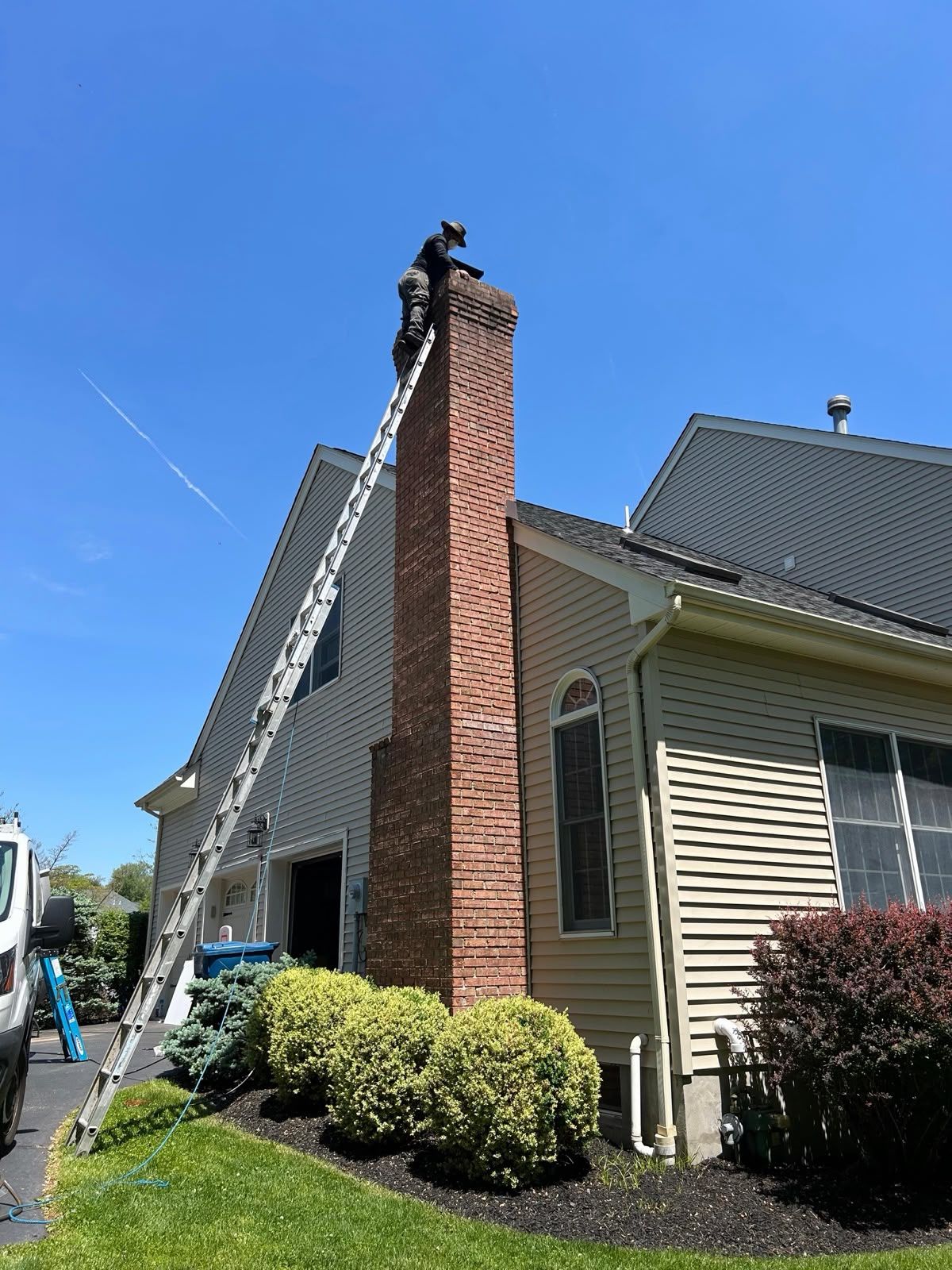
We sweep the flue from the crown down with sealed containment at the fireplace, then check the cap, the damper and the smoke chamber — because a blocked flue and a dirty one fail in different ways.
In short
AMG sweeps chimneys for homes across New Jersey. A sweep removes the soot and creosote that builds on the flue wall every time you burn, and creosote is the material behind chimney fires — it is deposited as a tar-like film, and once it hardens into a glazed layer it is both harder to remove and far easier to ignite. The other half of the job is the blockage check: a cap that has failed, a bird or squirrel nest, or a crumbling smoke chamber will push smoke back into the room whether the flue is clean or not. Our crews work from the crown down with sealed containment at the fireplace, so the soot leaves in a vacuum and not across your hearth rug. Best done before the first fire of the season. Free estimate, quoted before work starts.
Updated
What you get
Smoke rolling into the room is usually a draft problem, not a fire-building problem. A swept flue with a clear cap and a damper that opens fully is what makes the difference on the first cold night.
Fresh deposits sweep away. Left for seasons, creosote hardens into a glazed layer that is far harder to remove and far easier to ignite. Sweeping on a schedule is what keeps the job simple.
The fireplace opening is sealed and put under vacuum before the brush goes in. Soot leaves through the machine rather than across the rug, which is the part homeowners actually dread.
Failed caps, nests, cracked crowns and deteriorating smoke chambers are all found from the roof. We photograph what we see and tell you what needs attention now versus what can wait.
When to call
Step by step
We inspect the firebox, damper and smoke chamber from inside and the crown, cap and flue from the roof.
The fireplace is closed off and put under vacuum so nothing that comes down the flue reaches the room.
Rods and brushes sized to the flue work the full length, taking soot and creosote off the walls.
The debris that falls has to come out. The shelf and firebox are vacuumed rather than swept around.
Nests, failed screens, rusted caps and cracks in the crown are all found here, and photographed while we are up there.
Before and after photos, plus a plain statement of anything that needs a mason or a specialist rather than a sweep.
Creosote is deposited in stages and it does not stay the same material. The first stage is a dusty soot that brushes off easily. The second is a flaky, tar-hardened layer that still comes away with rods and brushes but takes effort. The third stage is glazed creosote — a shiny, hardened coating that has fused to the flue wall, is extremely difficult to remove mechanically, and is the form most associated with chimney fires. What pushes a flue from the first stage to the third is slow, cool, smouldering fires, unseasoned wood with a high moisture content, and seasons of burning without a sweep. This is the practical argument for sweeping annually rather than when it looks bad: an annual sweep keeps the deposit at a stage the brush can handle, and the cost of neglect is not just risk, it is a much harder job later.
When smoke comes into the room, the instinct is to blame the fire. The flue is usually the culprit. Cold air sitting in a masonry chimney on an exterior wall is dense and resists reversal, which is why the first fire of the season smokes back and the second one does not. Beyond that, the causes we find from the roof are consistent: a cap screen blocked with soot and debris, a nest built during the summer, a damper that has corroded and no longer opens fully, or a smoke chamber that was parged badly and creates turbulence where it needs smooth flow. Sweeping fixes the first two. The rest we photograph and describe honestly, including when the right next call is a mason rather than us.
Before you book
Once a year for a fireplace in regular use, and before the first fire of the season is the best timing. Annual sweeping keeps creosote at a stage the brush can remove — leave it several seasons and it glazes into a hardened layer that is far harder to take off and far easier to ignite.
It should not. The fireplace opening is sealed and put under vacuum before any brush goes in, so the soot leaves through the machine. The firebox and smoke shelf are vacuumed out rather than swept around, and we photograph the hearth before and after.
Sometimes. A blocked cap, a nest or a heavy creosote build-up will all cause it and a sweep fixes those. But a corroded damper, a poorly built smoke chamber or a flue that is simply cold will do the same thing, and we will tell you which one you have instead of sweeping a clean chimney.
Tell us what you burn and what the appliance is when you call, and we will say plainly whether it is work our crews take on. Different appliances put different deposits in the flue, and the honest answer is better than turning up with the wrong brush.
Late summer and early autumn, before the first cold night. Everyone in New Jersey remembers the fireplace on the same weekend, so the schedule tightens sharply in October and November. Booking off-season also means any cap or crown problem we find has time to be fixed before you need the fire.
Also on the same system
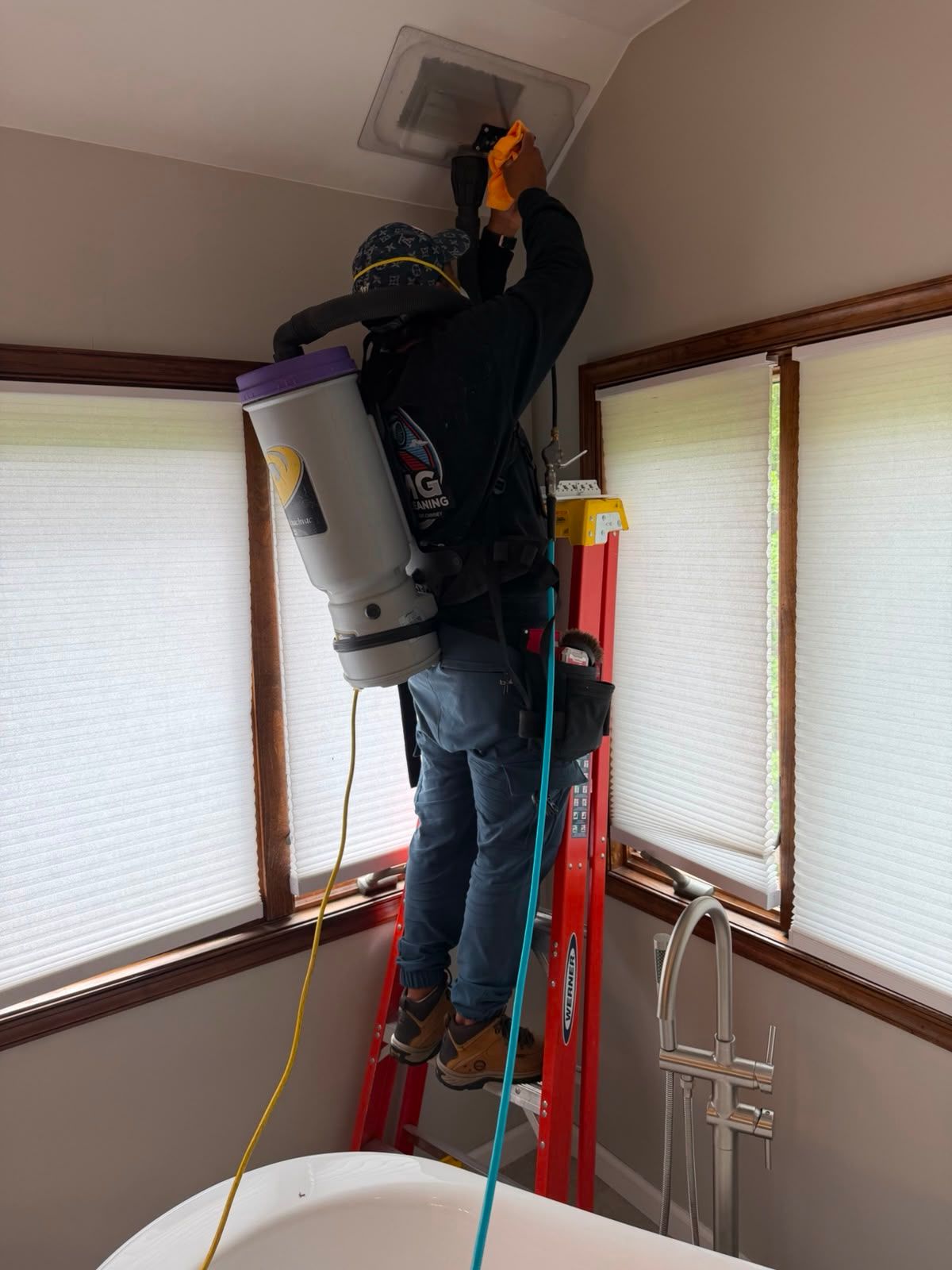
The whole system — returns, plenums, trunk lines, branches and every register.
See the work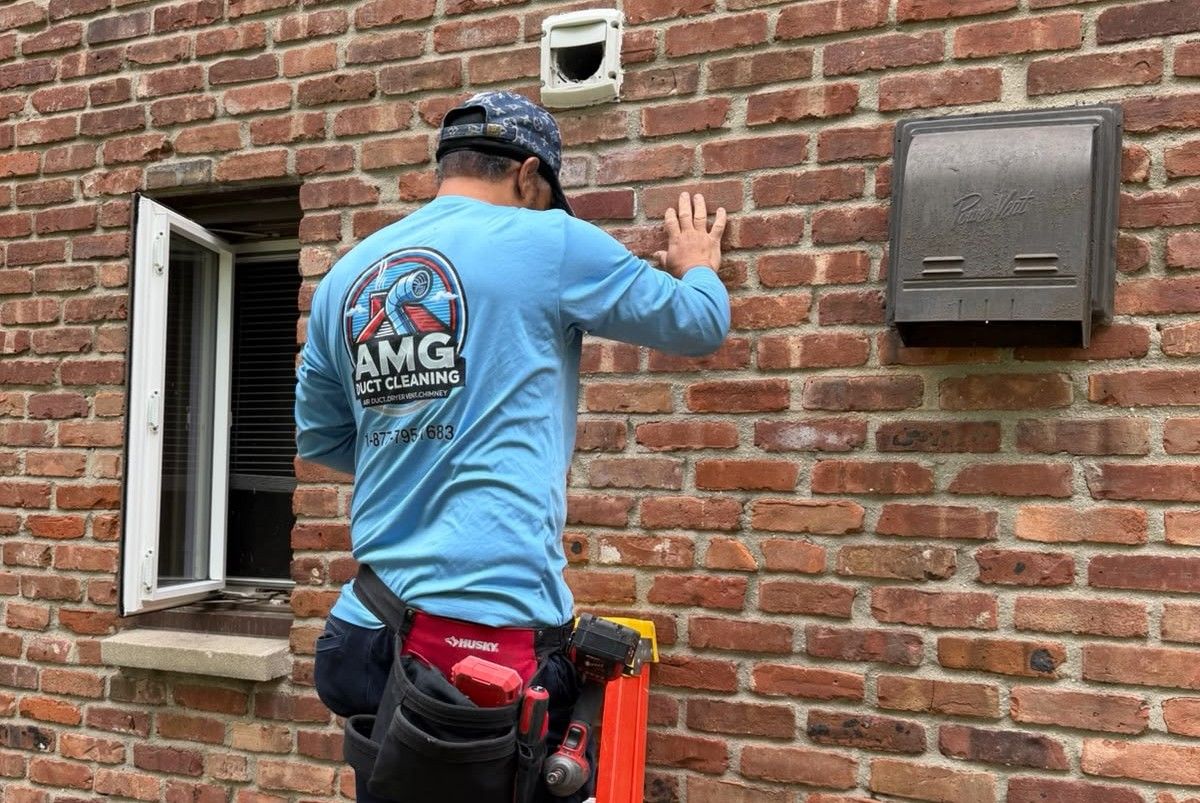
The dryer line — from the machine, through the wall, to the outside hood.
See the work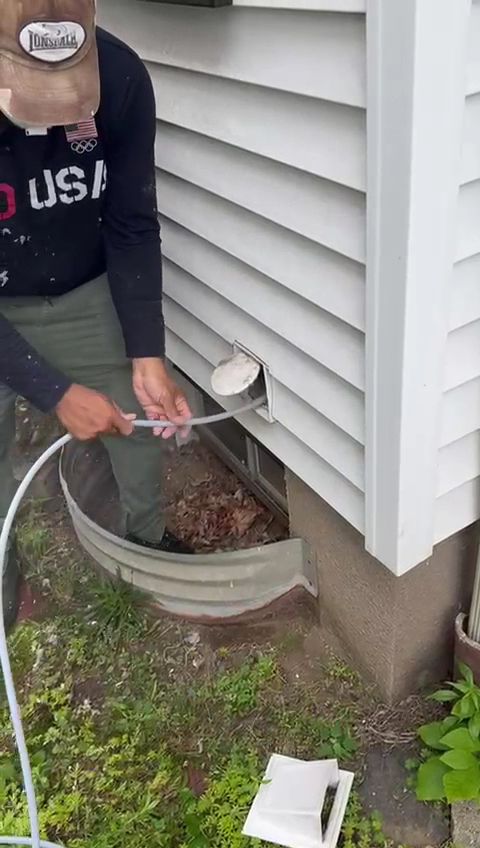
Leaks, disconnects and crushed runs in the system you already have.
See the workOpen 24 hours, by appointment. Tell us the system, the symptom and the town.
(877) 824-9359What people say
5.0
396 reviews on Google
What reviewers mention most
Leo and his team were professional and did a great job with the cleaning and the vent repair. Will definitely recommend
Cleaning and vent repair
I had a great experience with your technicians Leo and Danny. The work professionally and communicate with the client. Thank you for your service!!
Air duct cleaning
Danny was fast and reliable, replaced my dryer vent quickly and was very professional. Would look forward to working with you again.
Dryer vent replacement
Free estimate
We look before we quote, and the number we quote is the number you pay.
Open 24 hours, by appointment
Rather talk to someone? Call (877) 824-9359 — open 24 hours, by appointment.


