When a load finishes a full cycle still damp and needs a second run to dry, the cause is rarely the dryer itself. It is the vent. A dryer dries by pushing hot, moist air out through a duct to the outside, and when that duct is partly packed with lint, the air cannot carry the moisture out fast enough, so the clothes come out of the first cycle still wet, regardless of how long the machine ran. The test that confirms this is not at the lint trap. It is outside, at the hood where the duct exits the house, with the dryer running a normal load.
What the dryer has to move
Every load of wet laundry carries a surprising amount of water, and the dryer's job is to turn that water into vapor and push it outside through the duct before it can condense back onto the clothes or settle inside the duct itself. A duct that is clear and sized well moves that vapor out in one cycle. A duct that is restricted keeps the moist air inside the drum longer, where it cools, condenses, and settles back onto the fabric instead of leaving the house. That is the two-cycle load: the same water, trying to leave through a passage that has gotten too narrow to carry it out in the time one cycle allows.
What a partly packed duct does to drying time
Lint does not plug a duct all at once. It builds along the inside wall of the pipe in a thin layer that thickens with every load, and for a while the dryer still runs, the clothes still dry, and nothing looks wrong from the laundry room. What changes first is not if the dryer works, it is how long it takes. A run that used to finish a load in one cycle starts finishing it a little damp, then noticeably damp, then wet enough that a second cycle becomes routine. By the time two cycles is the normal outcome, the duct has usually been narrowing for a while, not days.
A narrowed duct also raises the temperature inside the drum, since the air that should be leaving stays in the system longer and keeps cycling past the heating element. A duct packed with lint does not only slow drying, it also raises the risk of a dryer fire, which is why national fire data lists restricted venting among the common contributing factors behind dryer fires in homes.
How to run the hand test at the termination hood
The lint trap tells you how much lint collects near the drum, not how the rest of the run is doing. The useful test happens outside, at the exterior hood where the duct ends, while the dryer runs a normal load. Start the dryer, walk outside to the termination point, and hold a hand a few inches from the hood. A healthy run pushes a steady stream of warm air against your hand for the length of the cycle, and the flap on the hood should swing open and stay open while the dryer is running.
A weak trickle of air, air that starts strong and fades, or a flap that barely lifts points to a duct restricted somewhere between the drum and that hood. The restriction could sit right behind the hood, mid-run at a bend, or close to the dryer connection, which is why the hand test only tells you a problem exists, not exactly where. Locating the exact point calls for opening the run and working through it in sections, which is the core of a Dryer Vent Cleaning visit.
A long run versus a blocked run
In many of the two-family homes across Union County, the dryer sits in the basement while the exterior wall it has to reach sits on the far side of the house, so the duct crosses joists, turns corners, and runs a longer path than a single-family laundry room with the dryer against an outside wall. A long run is not automatically a problem. Rigid duct moves air well over distance, and a longer path just means lint has more surface to collect on, so the interval between cleanings matters more than it would on a short run.
A blocked run is a different animal, and it can happen on a short path just as easily as a long one. A single crushed section, a joint that sagged and collects lint at the low point, or a damaged hood flap can choke a short run as badly as years of neglect choke a long one. The hand test tells you a run is restricted. Only an inspection tells you if the cause is ordinary buildup along a long path or a specific hardware fault, which is where Dryer Vent Cleaning uncovers the issue and Dryer Vent Installation addresses a section that needs replacing rather than clearing, depending on what the technician finds inside the run.
What a repair costs in time, not money
The clearest way to measure what two cycles is costing a household is in time, not price. A single extra cycle on most dryers adds a meaningful block of time to laundry day, and a household running several loads a week pays that cost in hours spent waiting on a machine that should have finished the first time. That time adds up faster than most people expect once it becomes the routine rather than the exception.
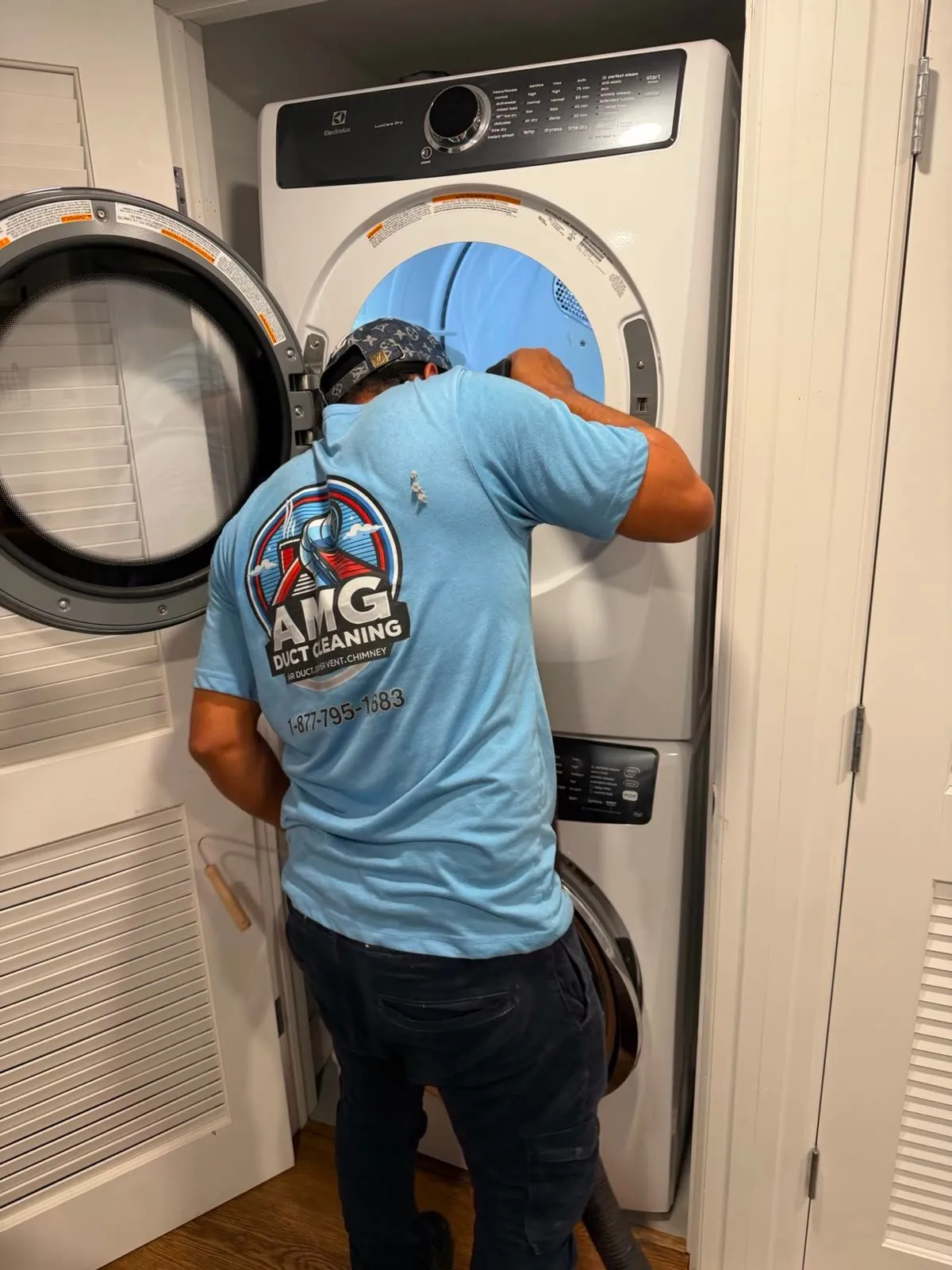
Clearing the run back to a single-cycle dry is usually the faster fix, measured against weeks of doubled cycles rather than against an invoice. A full Dryer Vent Cleaning visit opens the run from the dryer connection to the exterior hood, clears what has built up along the way, and finishes with the same hand test at the hood so you see the difference before the technician leaves. What a repair takes in materials and labor depends on what is found inside, the length of the run, and if a section of duct needs replacing rather than clearing, and that is what a written estimate lays out before any work begins.