A walkthrough before closing tells a buyer almost nothing about the duct system. The inspector checks that the furnace fires and the air conditioner blows cold, and that is about the limit of what gets confirmed in an hour. Whether the ductwork behind the walls is clean, sealed, and sized for the house is a separate question, and it is one that gets answered after the sale, not before it. For a lot of older houses across Essex County and Union County, especially in Newark, Elizabeth, and East Orange, that gap between what a buyer saw and what a buyer owns is where the surprises live.
What a walkthrough cannot tell you
A home inspector opens panels and runs equipment, but nobody is pulling registers off the wall or climbing into a crawlspace to trace duct runs during a two-hour visit. The furnace can heat the house that day and still be pushing air through a system that has not been opened in decades. A new owner inherits the duct system as it sits, not as it was described in a listing, and the only way to know its condition is to look at it directly once the house is yours.
What you inherit with the ductwork
Buyers walk into a few predictable situations. The filter is often whatever size and age the seller left behind, sometimes matched to a slot that has not held a properly fitted filter in years. Returns can be partly blocked from a past renovation, a closet built over a floor return, a wall added across a hallway grille, done without anyone tracing what that closed off downstream. The air handler itself is frequently a unit nobody in the transaction has opened, so its coil, blower wheel, and interior housing are unknowns until a technician gets a light on them. None of this shows up on a listing sheet, and none of it gets fixed by the closing itself.
The three places to check before the first heating season
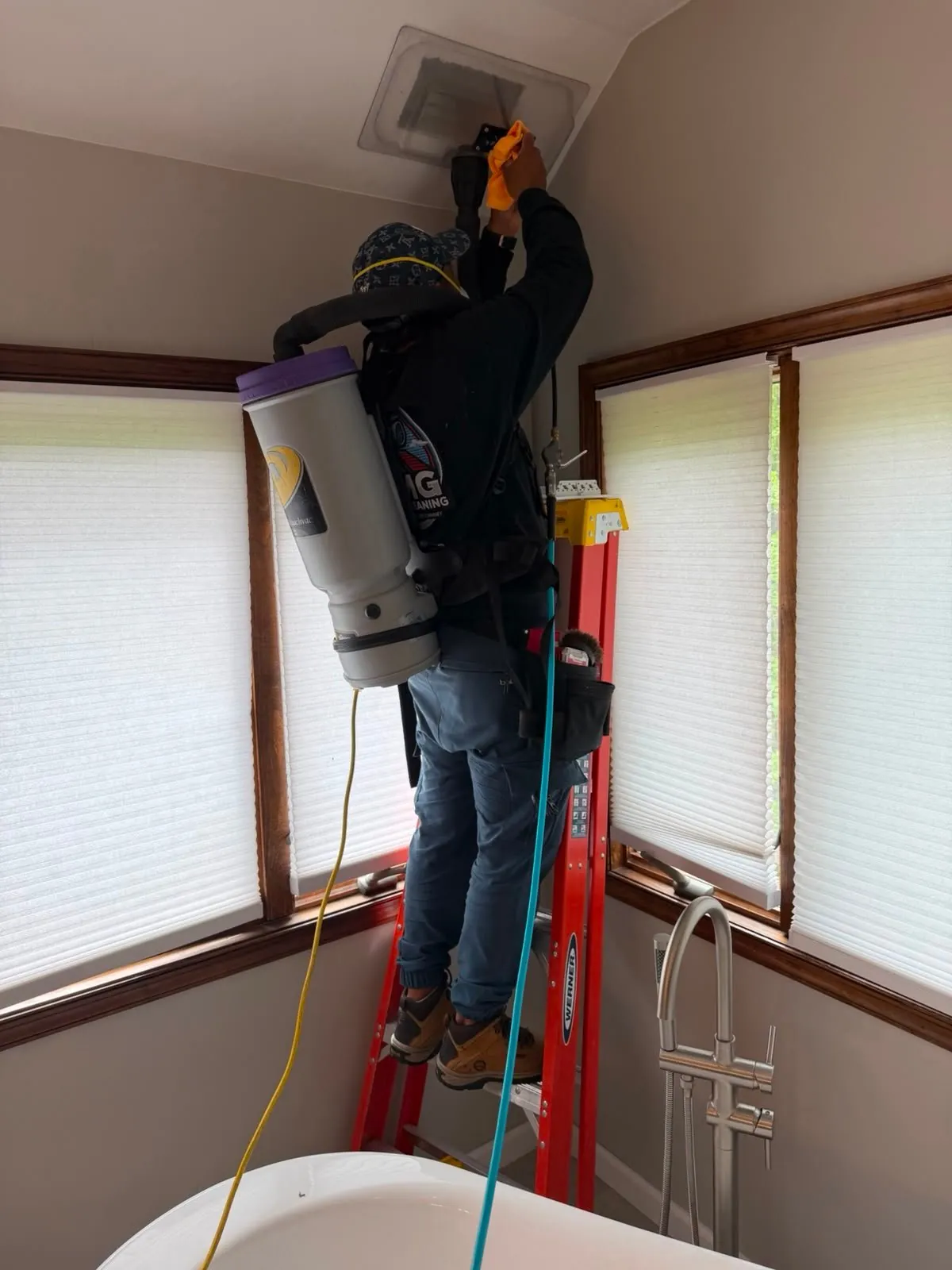
Before the first cold night in a new house, three spots are worth a direct look. The returns first, since a blocked or repurposed return changes airflow to every room the system serves, not just the one nearest the obstruction. The filter slot second, to confirm the size fits the housing and that whatever is in there now is not degraded past the point of doing anything useful. The air handler third, opened up so a technician can see the coil and blower rather than judge the unit by how it sounds from across the basement. Air Duct Cleaning at this stage is less about a deep problem and more about starting the heating season with a system a new owner has seen, rather than one taken on faith from a listing photo.
These three checkpoints matter more in houses that changed hands recently than in ones where the same family has lived there for years, because continuity of ownership usually means someone noticed and fixed small issues along the way. A sale interrupts that. The house passes to someone with no history on the system, and the system does not announce its own condition.
Construction dust from selling the house
Houses on the market often go through work meant to help them sell rather than work meant to serve the next owner for years. Drywall patched, floors refinished, a basement finished out, paint applied throughout. Every one of those jobs puts fine dust into the air, and a running HVAC system pulls a share of that dust straight into the return grilles and down into the ductwork. A house that looked freshly done at the open house can still be carrying a layer of sanding dust or drywall fines in the duct system that nobody mentioned, because nobody who did the work was thinking about where the dust went once the vacuum stopped running.
This is a fair question to raise with the seller's agent before closing, and it is a fair thing to check yourself once you own the house. If work was done, the ductwork carried some of it, and a system loaded with construction dust behaves differently than one that was left alone.
What can wait and what should not
Not everything needs attention in the first week. A duct system that looks reasonably clean, with returns open and a filter that fits, can usually wait for its normal schedule rather than an urgent visit. What should not wait is anything tied to a health or safety concern, staining around a register that suggests moisture, a musty smell near the air handler, or visible growth inside a duct or on the coil. Any of those points toward a moisture problem that Mold Treatment and Removal addresses at the duct and equipment level, and moisture issues tend to get worse the longer they sit unaddressed, not better.
A duct run that was reworked poorly during a renovation, crushed, disconnected, or resized without much thought, falls under Air Duct Repair rather than a cleaning, and it is worth knowing which one you are dealing with before scheduling anything. A technician who opens the system can tell you within the same visit whether the fix is a cleaning, a repair, or both, and that answer should come with a written estimate rather than a guess given over the phone.
Buying a house resets the clock on a lot of things, and the duct system is one of the quieter ones. It does not come with a service record the way a car does, and the seller rarely knows the last time anyone looked at it either. Treating the first heating season as the moment to open the returns, check the filter slot, and look inside the air handler gives a new owner a real answer instead of an inherited guess.