Selecting the right dryer vent installation kit is a smart way to make your project faster and cleaner in Elizabeth, New Jersey. Kits consolidate compatible parts, reduce store runs, and help ensure you are using materials designed for performance and safety. Still, not all kits are equal. This guide explains which components matter most, how to match a kit to your home’s construction and dryer location, and how to avoid common pitfalls that increase lint buildup or shorten appliance life. If you are at the research stage, start by understanding the fundamentals of dryer vent installation so your kit choice sets you up for success.
Elizabeth’s housing stock spans historic brick homes, mid-century single-family residences, and newer townhomes and condos. Laundry areas can be in basements, hallways, or tight second-floor closets. Coastal weather and winter freezes also influence which exterior termination and sealants you should use. A good kit paired with thoughtful planning delivers safe, efficient airflow while protecting your finishes and the exterior envelope.
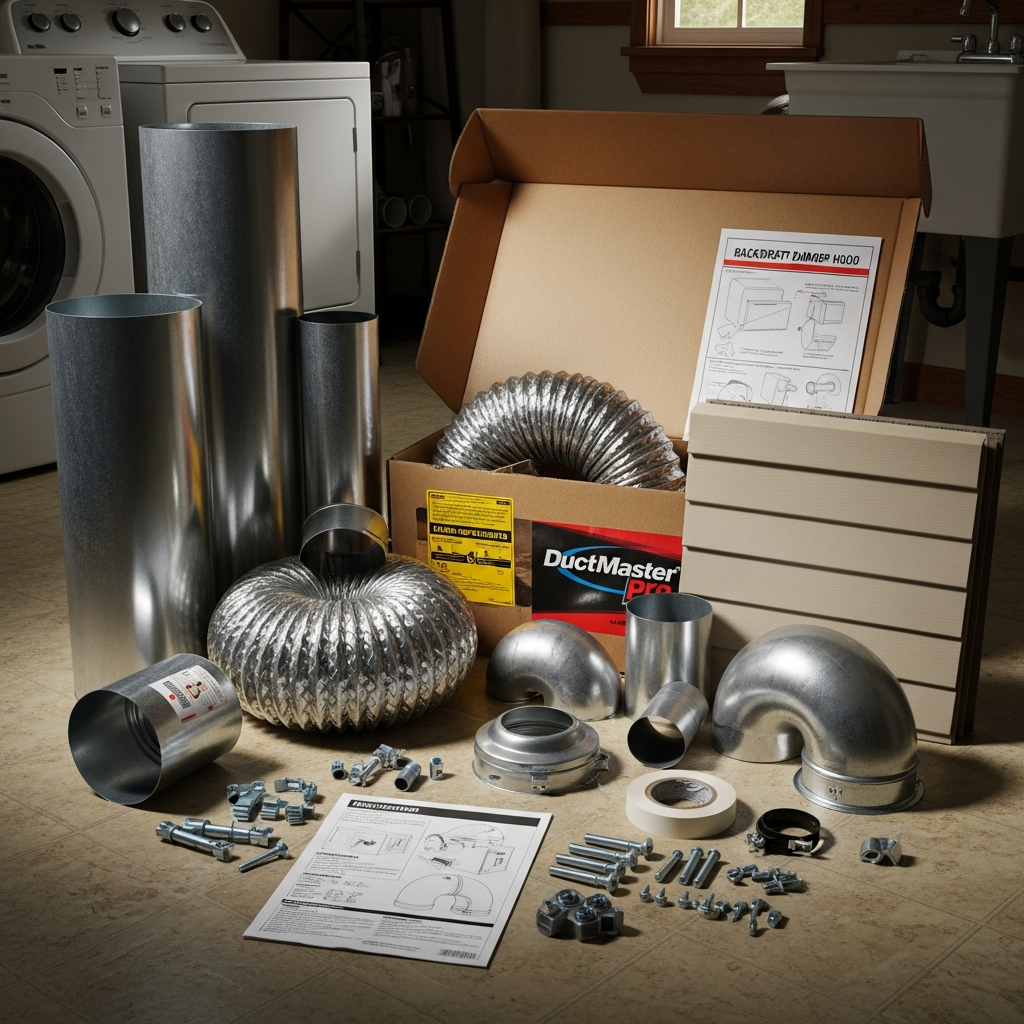
What a Quality Kit Should Include
- Smooth-wall metal duct sections for the main run, typically 4 inches in diameter, with compatible couplings.
- A UL 2158A–listed transition duct for the short, accessible connection between the dryer outlet and the wall inlet.
- At least two low-resistance elbows; long-radius options are preferable where space allows.
- An exterior termination with a backdraft damper and no screen, plus mounting hardware.
- Foil-backed HVAC tape for sealing exterior joints and clamps for the transition duct.
- Clear instructions, including diagrams for common layouts and guidance on allowable lengths.
Kit Types and When to Use Them
While many kits cover basic through-the-wall installations, specialized options address tight spaces and unique routes. Selecting the right category improves performance and appearance.
- Standard through-the-wall kits: Ideal for basement laundries exiting directly through the rim joist. Look for sturdy terminations and enough rigid duct to span the distance cleanly.
- Periscope or offset kits: Designed for narrow laundry closets where the dryer must sit close to the wall. These flatten the profile behind the machine and prevent crushing the transition duct.
- Recessed dryer box kits: Include a wall box that creates a cavity for the transition hose to bend gently, saving space and protecting the hose from kinks.
- Long-run accessory kits: Offer additional elbows, couplings, and support straps for extended routes. Use carefully—long runs increase resistance and may require rerouting or a listed booster fan when permitted.
- Roof termination kits: When wall termination is impractical, a roof kit may be used with a listed cap and excellent flashing. This option calls for advanced planning and often professional help.
Matching Kits to Elizabeth, NJ Construction
For vinyl siding, choose terminations with wide flanges or include a siding mounting block for a flush, weather-resistant fit. For brick or stucco, consider kits that either include or are compatible with masonry sleeves and provide robust fasteners suited to the substrate. In windy or storm-prone locations, select a termination with a well-balanced damper that opens under modest airflow but closes securely against gusts and rain.
Basement exits through rim joists are common in Elizabeth’s older homes. Make sure your kit’s collar length suits wall thickness and that you have the correct hole saw and sealants on hand. For upper-floor laundries, recessed boxes and periscope connectors often prevent crushed hoses and maintain cleaner airflow behind the dryer.
Evaluating Quality Beyond the Box
Not all kit components are equal. Examine metal thickness, elbow radius, and damper design. A flimsy termination or tight-radius elbow can undermine an otherwise solid plan. If the kit uses very short elbows or includes a screen in the termination, consider swapping those parts for better components; screens are not appropriate for dryer exhaust because they trap lint. Be sure clamps fit snugly and the transition duct is clearly listed for dryer use.
Instructions should be clear and include guidance on calculating equivalent length, accounting for each elbow. If your kit lacks this information, use the dryer manufacturer’s installation manual to determine maximum equivalent length and fitting deductions. Document your route so future maintenance is easier.
Planning the Route with Your Kit
Before opening the box, sketch your route. Measure the distance from the dryer outlet to the proposed exterior termination, count the elbows needed, and note any obstacles. If the route seems long or convoluted, rethink the layout rather than adding fittings. The best kit is only as good as the path it supports. In Elizabeth’s variable climate, keeping runs short and well supported helps control condensation and ensures consistent performance in winter and summer alike.
Dry-fit components before sealing. Confirm that duct ends seat fully, elbows clear framing, and the termination flange sits flush against the exterior. If you need more long-radius elbows or a recessed box that your kit does not include, source those upgrades before you start cutting holes.
Installing with Confidence
Once you are satisfied with the route, follow a disciplined process. Drill pilot holes to verify the exterior location, then cut the main opening using the correct hole saw or masonry bit. Install the termination with exterior-grade sealant and proper fasteners. Assemble rigid duct with the crimped ends oriented in the airflow direction and seal exterior joints with foil-backed HVAC tape. Use clamps provided in the kit to secure the transition duct and cut it to the shortest functional length to prevent kinks.
Support the run with hangers at intervals to prevent sagging and maintain a gentle slope toward the exterior. Slide the dryer back carefully, ensuring the transition maintains a smooth curve. Finish by running a warm cycle and checking that the exterior damper opens fully and closes when the dryer stops.
Upgrades Worth Considering
- Long-radius elbows: Reduce resistance and may allow a longer effective run within manufacturer limits.
- Recessed dryer box: Prevents crushed transition hoses in tight closets and provides a cleaner look.
- Higher-grade termination: A heavier-gauge hood with a balanced damper performs better in wind and lasts longer.
- Masonry-specific sleeves and hardware: Create cleaner penetrations in brick and block, common in older Elizabeth homes.
When a Kit Is Not Enough
If your layout demands excessive elbows, crosses fire-resistance–rated assemblies, or requires a roof termination, a basic kit may not address all needs. Complex routes can push the limits of what manufacturers allow for total equivalent length. In those cases, consider rerouting or consulting a professional who can evaluate options like alternative pathways or listed booster fans when permitted. If you prefer to partner with an expert from planning through final testing, explore the value of professional dryer vent installation that matches components to the route for optimal performance.
Maintenance Starts with the Right Kit
A quality installation kit supports straightforward maintenance. Smooth-wall metal ducts and accessible joints make annual cleaning faster. A well-designed termination without a screen reduces lint buildup at the outlet. By choosing components that favor airflow and cleanability today, you reduce service needs tomorrow.
FAQ
Q: Are periscope connectors safe and effective? A: Yes, when properly installed and sized for your dryer outlet and wall inlet. They are excellent for tight spaces and help prevent crushed hoses.
Q: Can I use the flexible duct included in some kits for the entire run? A: No. Keep flexible, listed transition duct only for the short, accessible connection at the dryer. Use smooth-wall metal for the main run.
Q: Do I need a recessed dryer box? A: If space is tight and the hose tends to kink or crush, a recessed box is a worthwhile upgrade that protects airflow and tidies the installation.
Q: Is a roof kit a good idea in Elizabeth? A: Roof terminations can work with the right cap and flashing, but wall terminations are usually simpler and easier to maintain, especially in stormy weather.
Q: How do I know if my kit is compatible with my dryer? A: Check your dryer’s installation manual for outlet size, maximum equivalent length, and any special requirements. Choose a kit that aligns with those limits and provides appropriate fittings.
Choose with Confidence and Get the Job Done
By focusing on component quality, route planning, and compatibility with your home’s construction, you can select a dryer vent installation kit that delivers safe, efficient performance in Elizabeth. Take time to assess your space, upgrade components where needed, and verify airflow when finished. If you decide to bring in a specialist to ensure a code-conscious, clean result, connect with a trusted local team and schedule your dryer vent installation for peace of mind from day one.
