Maintenance Tips to Protect Your New Air Duct Installation Near Elizabeth, NJ
After investing time and care into a new duct system, smart maintenance keeps it performing at its best. In and around Elizabeth, New Jersey, seasonal humidity, coastal weather systems, and older housing stock can challenge ductwork if it is not inspected and maintained. The following practical tips help you preserve airflow, reduce noise, and safeguard indoor air quality so your system delivers consistent comfort year after year.
Whether you installed the ducts yourself or partnered with a contractor, your maintenance plan should focus on sealing, insulation integrity, filter care, and periodic performance checks. If you want a professional eye to confirm that your new system is tuned correctly—or if you would like a maintenance partner—consider local teams that specialize in air duct installation and understand Union County homes.
Filter Strategy: Your First Line of Defense
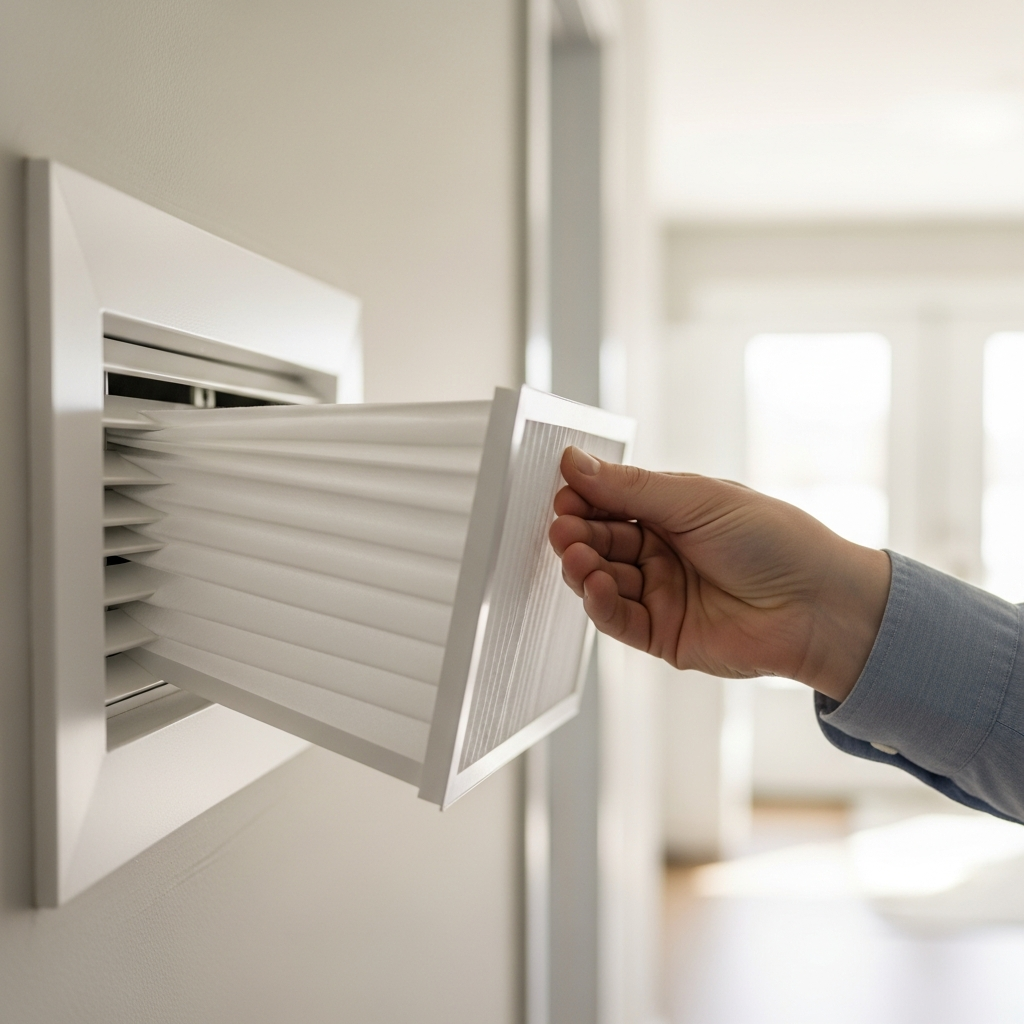
Filters protect your equipment and duct interiors from dust, fibers, and allergens. Replace or clean them on schedule, usually every one to three months depending on filter type, pets, and local conditions. A clogged filter increases static pressure, strains the blower, and throws off your carefully balanced airflow. Write the installation date on the filter frame and keep a spare on hand.
Choose filters that match your system’s capabilities. Very high MERV ratings can restrict airflow if your blower and ducts are not sized for the added resistance. Strike a balance between filtration and performance by consulting your equipment specifications or a professional if you are unsure.
Regular Visual Inspections
Make a habit of inspecting visible duct runs in basements, attics, or mechanical rooms every few months. Look for loose straps, sagging flex, punctured insulation, lifted tape, and signs of condensation. Dust streaks near joints and boots often indicate leakage. Address small issues immediately with mastic and new tape to prevent bigger problems later.
Confirm that flex ducts remain pulled tight and supported every 4 feet or less. Re-secure any slipping connections with draw bands and UL 181 tape, and ensure the outer jacket remains intact to protect insulation.
Seal Integrity and Insulation Health
Air sealing is not a one-time task. Over time, temperature swings and vibration can loosen seams. Inspect accessible joints and reapply water-based mastic as needed. In unconditioned spaces, verify that insulation is continuous and free of compression or gaps. Replace damaged vapor barriers to prevent moisture intrusion during humid summers common in Elizabeth.
Upgrade insulation where necessary. If your ducts serve rooms that struggle with comfort in extreme weather, increasing insulation or adding a radiant barrier near hot roof decks can help maintain supply air temperatures.
Condensation and Moisture Management
Humidity can condense on cold supply ducts, especially in attics and basements. Ensure ducts are insulated appropriately, and check for air leaks that mix warm, humid air with cold metal. If you notice dripping or staining, improve sealing, add insulation, and evaluate ventilation in the affected area.
Keep an eye on condensate lines and drain pans at the air handler. A blocked line can overflow, wetting adjacent duct connections, damaging insulation, and encouraging mold growth. Clear lines routinely and install a float switch if your system does not already have one.
Balancing Checkups Through the Seasons
Shifts in outdoor temperature and sun angles change room-by-room loads. Perform quick seasonal balancing checkups. In summer, prioritize airflow to top floors and west-facing rooms; in winter, verify rooms over garages get enough supply air. Make small damper adjustments, record positions, and give the system time to stabilize before making additional changes.
If a room resists balancing, verify branch conditions: ensure flex is not crushed, takeoffs are not too close to elbows, and registers are appropriately sized. Stubborn spaces may benefit from an added return or a resized branch.
Noise Reduction Over Time
Even a well-designed system can grow noisier if returns become restricted or if seals loosen. First, replace dirty filters and open blocked grilles. Next, check for whistling at registers—often a sign of high velocity or undersized grilles. Consider upgrading grilles where needed and confirm that returns are generously sized. If noise persists, re-check damper settings and inspect for loose metal joints or unsupported spans.
Cleaning Practices That Protect Performance
Routine cleaning of registers and grilles prevents dust buildup that can reduce airflow. Vacuum grilles gently and wipe register faces. If you remove registers, seal them properly when reinstalling to keep the boot connection airtight. Be cautious with aggressive cleaning inside ducts; improper methods can damage liners or flex duct cores. When deeper cleaning is warranted due to renovations, smoke, or visible contamination, choose methods compatible with your duct materials.
Protecting Ducts During Renovations
Remodeling introduces dust and debris that can end up in ducts. Before demolition, cover registers and returns with temporary filters or plastic, and shut down the HVAC system to prevent distribution. After work concludes, remove coverings, vacuum grilles, replace filters, and inspect nearby ducts for debris or new leaks.
Energy and Airflow Verification
A few quick tests confirm that your ducts remain efficient. Measure total external static pressure and compare to your equipment’s rated range. Large deviations suggest new restrictions or leaks. Use a smoke pencil to spot leaks at boots and seams and reseal as needed. In cooling season, verify stable supply temperatures and a sensible temperature drop across the coil; in heating season, confirm appropriate temperature rise.
Addressing Common Post-Install Issues
Hot or cold rooms, increased dust, or rising energy bills often trace back to a handful of causes: leaks at boots, crushed flex, missing insulation at elbows, or closed dampers. Methodically inspect and correct each factor. Place airflow where it is needed with damper adjustments rather than by fully closing registers, which can cause noise and backpressure.
When to Call a Professional
Call for help if you detect persistent condensation, mold concerns, unexplained odors, or rooms that remain uncomfortable after reasonable balancing attempts. Professionals can perform advanced diagnostics: pressure mapping, flow hood measurements, and duct tightness testing. A targeted tune-up often restores comfort without major reconstruction.
Frequently Asked Questions
How often should I replace filters? Most homes benefit from replacing filters every one to three months, depending on filter type, pets, renovations, and allergy concerns. Write replacement dates on the filter and set reminders.
Do ducts need routine cleaning? Light, routine cleaning of grilles and registers is helpful. Deep duct cleaning is not always necessary but can be appropriate after renovations, smoke exposure, or visible contamination—provided the method matches your duct materials.
What causes duct condensation? Warm, humid air contacting cold duct surfaces causes condensation. Improve sealing, insulate supply runs in unconditioned spaces, and check for blocked condensate drains to mitigate moisture issues.
Why did my system get louder? Dirty filters, starved returns, loose joints, or high velocities at undersized grilles are common culprits. Address filtration first, then inspect returns and reseal loose joints.
How can I keep rooms balanced all year? Use seasonal damper adjustments, verify transfer paths under doors, and ensure returns are adequate. Document damper positions so you can return to a known good setup as seasons change.
What if I see dust streaks at registers? Dust streaks signal leaks. Reseal boots to drywall or subfloor with mastic, check for lifted tape, and verify that flex connections are tight and properly strapped.
Keep Your Ducts Performing for the Long Haul
With consistent filter changes, routine inspections, and timely sealing and insulation touch-ups, your ducts will deliver quiet, efficient comfort through Elizabeth’s humidity and cold snaps alike. If you prefer a partner to help monitor performance or to tackle repairs quickly, connect with local experts in air duct installation. A small, steady maintenance routine will keep air flowing smoothly and your indoor environment clean and comfortable for years to come.
