Clear, Complete Dryer Vent Cleaning Steps and Checklist for Elizabeth, New Jersey
A dependable dryer saves time, protects clothing, and keeps your home comfortable. Yet even the best unit struggles when the vent is partially blocked by lint, dust, and moisture. This step-by-step guide and master checklist was created for Elizabeth, New Jersey households—from single-family homes in Elmora to apartments in Midtown and townhouses in Bayway—so you can plan safe maintenance, know what to expect from a professional visit, and recognize the milestones that signal success. When routes are long, access is tight, or drying times remain stubbornly slow, many residents choose professional dryer vent cleaning to ensure every elbow and joint is addressed. Use the steps and lists below to bring order and safety to your laundry routine.
Core Steps for a Thorough Cleaning
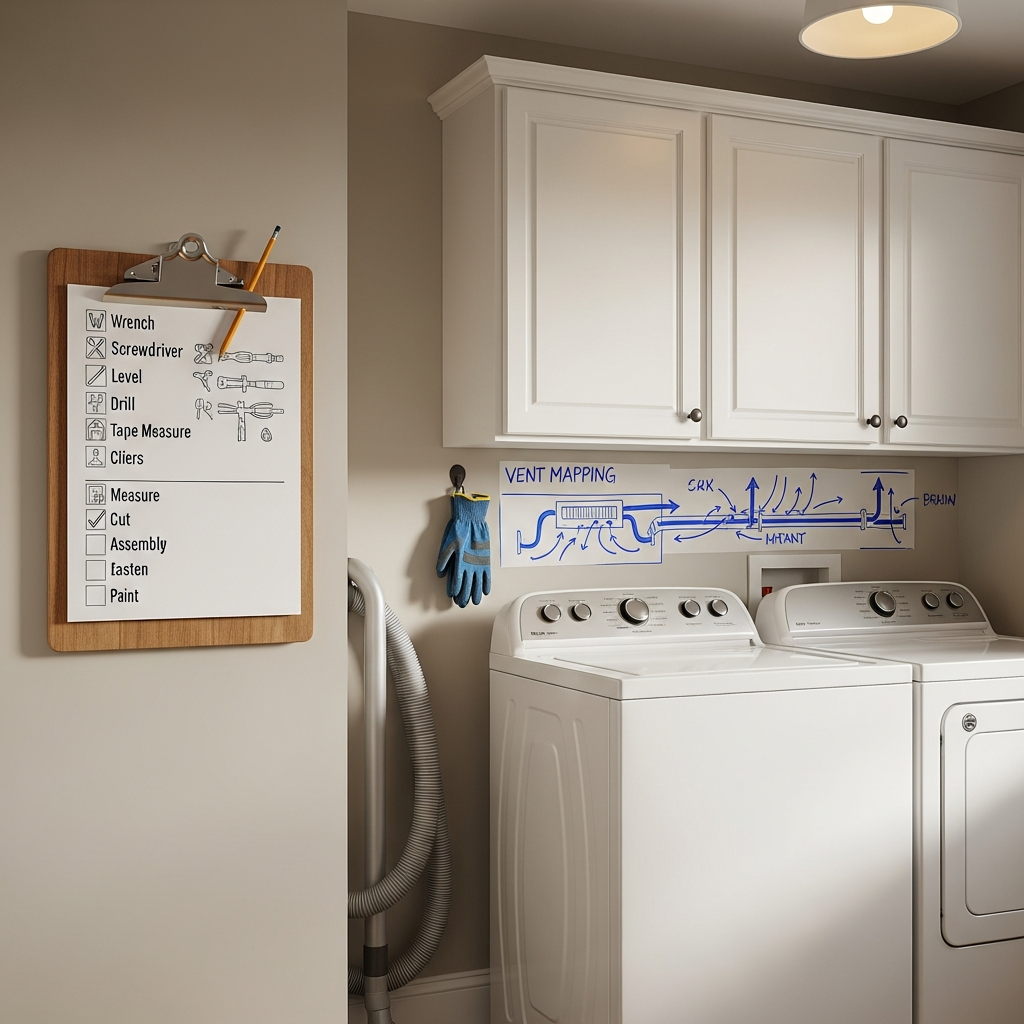
- Map the Route: Identify the dryer, transition duct, in-wall or ceiling run, and the exterior hood. Note elbows and vertical sections that may trap lint.
- Shut Down Safely: Unplug the dryer; for gas units, close the gas valve. Clear the area to avoid tripping hazards.
- Prepare the Workspace: Lay down protective coverings. Gather gloves, a dust mask, a flashlight, and a vacuum with a hose attachment.
- Remove and Clean the Lint Screen: Rinse it occasionally with mild soap to eliminate softener film that restricts airflow.
- Vacuum the Lint Trap Housing: Use a narrow attachment to collect debris that escapes the filter.
- Disconnect the Transition Duct: Loosen the clamp and gently remove the duct from the dryer. Replace damaged or overly long foil flex with a smooth, short transition duct.
- Clean Behind and Under the Dryer: Capture lint against baseboards and corners to reduce airborne particles during reassembly.
- Agitate and Capture: For short, straight routes, use a consumer brush kit slowly and carefully, or if the path is long or complex, schedule a professional who will use rotary or air-sweep tools with strong containment.
- Check the Exterior Hood: Confirm the damper moves freely and remove visible debris. Avoid restrictive screens that trap lint.
- Reconnect and Test: Reattach the transition duct, keeping it short and smooth. Restore power and, for gas units, reopen the valve. Run the dryer on air-fluff and verify that the exterior damper opens widely under a steady exhaust.
If any step reveals a crushed duct, inaccessible elbows, or a rooftop termination, place safety first and call in experts with proper tools, ladders, and containment systems.
Elizabeth-Specific Considerations
Many Elizabeth homes feature retrofitted laundry spaces, leading to longer routes and tight closets. Seasonal humidity can make lint sticky, while winter temperature swings cause condensation that glues dust to duct walls. Exterior hoods may face prevailing winds, affecting damper movement. These realities argue for deliberate technique, short transition ducts, and periodic professional verification—especially in multifamily buildings where shared walls and rooftop exits complicate access.
Mid-Course Indicators of Success
As you work through the steps, the area around the lint trap housing should look cleaner, and the transition duct should be smooth and unkinked. When you test the dryer, the exterior damper should open fully and stay open with a strong exhaust stream. On subsequent loads, fabrics should dry more evenly, and the laundry room should feel less hot and humid. If results lag, combining your efforts with professional dryer vent cleaning often resolves hidden restrictions and restores optimal airflow.
Master Checklist: Plan, Perform, Verify
- Planning: Route mapped, exterior hood located, tools ready, protective coverings placed.
- Safety: Power unplugged, gas valve closed if applicable, clear work area, helpers on standby for heavy moves.
- Appliance: Lint screen cleaned, lint trap housing vacuumed, moisture sensors inside the drum wiped gently.
- Transition Duct: Short, smooth, undamaged; clamps snug and not overtightened; adequate space behind the dryer.
- Duct Run: Brush or air-sweep used methodically for accessible routes; professional booked for long or complex paths.
- Exterior Hood: Damper opens freely; no restrictive screens; hood seating and seal intact against siding or masonry.
- Verification: Strong exhaust at the hood, shorter dry times, and even results on towels and bedding.
- Documentation: Date of cleaning recorded; next maintenance interval noted based on household size and laundry volume.
Safety Mistakes to Avoid
- Driving screws into the duct interior. They catch lint and create hazards.
- Using makeshift blowers that scatter lint or damage dampers.
- Crushing the transition duct when pushing the dryer back into place.
- Venting into attics, garages, or crawlspaces instead of outdoors.
- Ignoring makeup air in tight closets, which can cause overheating.
These pitfalls are common in crowded laundry spaces and older homes. Slow, careful work prevents damage and sets you up for better long-term results.
Seasonal Maintenance Tips for Elizabeth Homes
- Spring: Clear pollen buildup at the exterior hood and confirm damper swing after rainy spells.
- Summer: Separate heavy towels from light clothing to minimize heat load and cycle length.
- Fall: Remove leaves or twigs near the termination and ensure vegetation does not block exhaust.
- Winter: Check that snow and ice are not restricting the hood; confirm strong airflow during the coldest days.
These small checks help your system stay consistent despite the region’s weather shifts and occasional coastal storms.
Frequently Asked Questions
How often should vents be cleaned? Many Elizabeth households benefit from annual service. Larger families, pet owners, or homes with long runs and multiple elbows may need more frequent attention.
Why do towels take so long to dry? Dense fabrics shed lint that accumulates quickly. Combined with restricted airflow, they exacerbate long cycles. A thorough cleaning and a short, smooth transition duct help towels dry efficiently.
Is it safe to climb onto the roof to reach the hood? Roof work is hazardous without proper equipment and training. Leave rooftop terminations to professionals.
Can I use a screen over the exterior hood to keep animals out? Avoid restrictive screens. Choose a hood designed to resist entry while preserving airflow.
What if my dryer is stacked in a tight closet? Professionals can work with stacked units and will evaluate makeup air needs and clearances to ensure safe operation.
Keep Laundry Day Smooth and Safe
A clear plan, a careful checklist, and respect for safety transform dryer maintenance from guesswork into a reliable routine. Whether you manage quick upkeep or bring in experts for complex routes, the aim is the same: steady airflow, shorter cycles, and peace of mind.
Book a Thorough Service for Your Elizabeth Home
Simplify maintenance and protect your property by arranging comprehensive dryer vent cleaning. An end-to-end service that addresses every section—from the lint trap housing to the exterior hood—restores performance, improves safety, and keeps your Elizabeth, NJ laundry routine running efficiently all year long.
