Why the Right Dryer Vent Professional Matters in Elizabeth, NJ
In Elizabeth, New Jersey, the spectrum of housing—from historic single-family homes to mid-rise condo buildings—creates a wide range of dryer vent challenges. Selecting the right professional is about more than speed; it is about safety, airflow, and long-term performance. A well-chosen provider will clear lint thoroughly, verify proper ventilation at the termination, and offer practical recommendations to prevent recurrence. If you are beginning your search, grounding your decision in expertise and proven methods is a smart first step. Many homeowners start by exploring reputable dryer vent cleaning solutions to understand what best-in-class service looks like before booking.
Dryer vent issues are often hidden behind walls and ceilings. Lint collects at elbows, crushed sections, and stuck exterior flappers. While the lint screen captures some fibers, a significant amount bypasses it and adheres to duct walls, particularly in damp or cold conditions. Because of this, a professional’s technique and equipment matter. A provider who can adapt to different configurations—from short runs through exterior walls to long vertical chases—offers peace of mind that safety and efficiency will both improve.
Core Qualities to Look For
Training and process clarity are foundational. Ask a prospective provider to explain their cleaning sequence from start to finish: inspection, equipment setup, lint capture, agitation method, termination check, and post-cleaning verification. Listen for details about how they protect the laundry area, handle fragile transition hoses, and approach roof access safely.
Experience with Elizabeth’s housing mix is another must. Older homes may use mixed materials or have tight utility spaces. Multifamily buildings can include stacked laundry closets, limited dryer clearance, and shared chases. A seasoned team will anticipate these constraints and bring tools suited to narrow spaces and long runs.
Communication style is a useful proxy for professionalism. Providers who welcome your questions, discuss potential risks transparently, and offer preventive tips tend to take pride in careful, code-conscious work. A clear, respectful conversation before service day often translates into a smoother visit and better results.
Equipment and Methods That Signal Competence
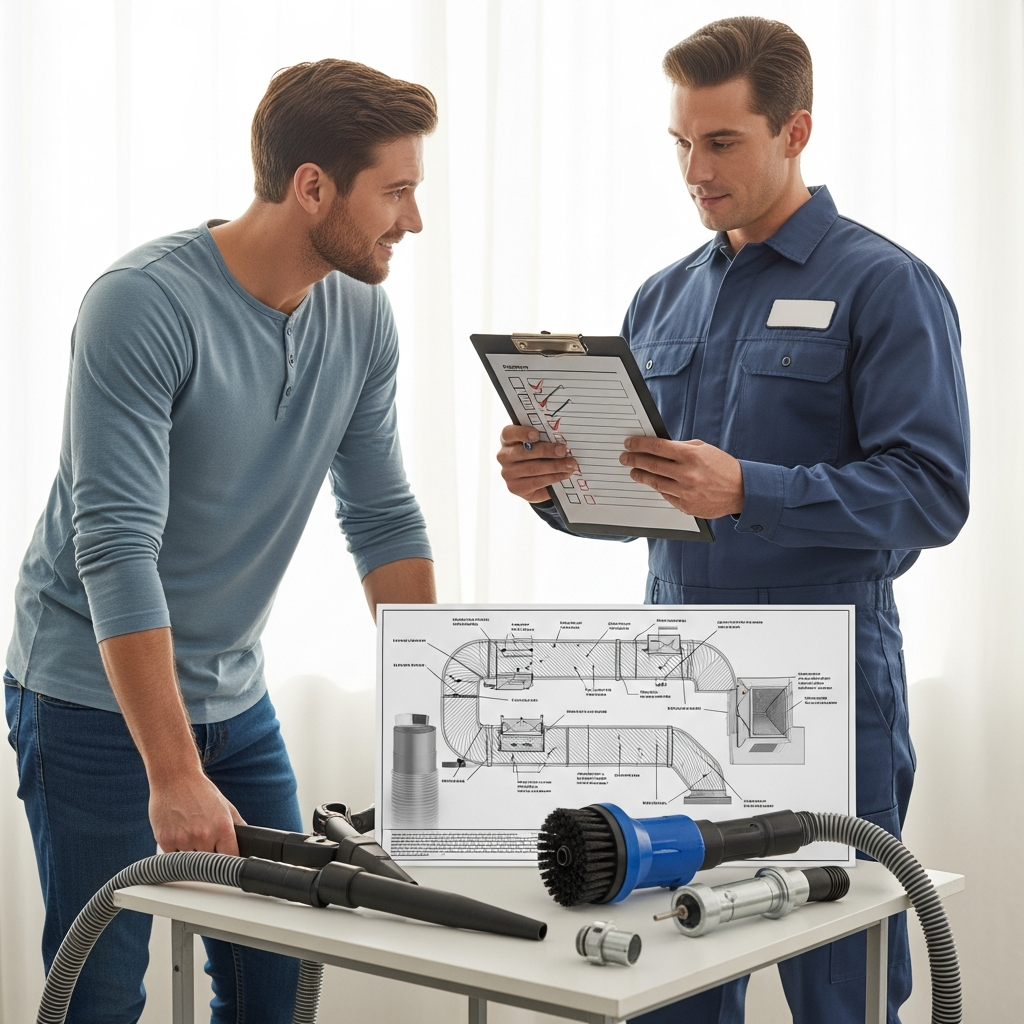
A capable professional brings purpose-built tools. Expect high-powered vacuums to establish negative pressure and capture lint effectively, along with rotary brushes or air whips matched to your duct size and material. For fragile or older ducts, gentler methods reduce the chance of damage while still dislodging stubborn buildup. If your vent terminates on the roof, the provider should be trained and equipped for safe access and should confirm the termination opens freely after cleaning.
Small choices add up. Screws that penetrate the duct interior can snag lint and should be avoided in favor of safer joining methods. Foil or plastic flexible hoses are prone to crushing; a good technician will recommend semi-rigid or rigid metal options where appropriate. When you hear a provider emphasize these points, you are likely speaking with someone who treats dryer vent safety as a specialty, not a sideline.
Red Flags to Avoid
Watch for vague process descriptions, reluctance to discuss equipment, or an unwillingness to inspect the exterior termination. Also be cautious if a provider suggests overly aggressive techniques without assessing your duct material or layout. Promises of a quick, one-size-fits-all fix may sound appealing, but vents vary widely, and thoroughness matters more than speed.
Another red flag is dismissing your symptoms—like a burnt odor, damp clothes after a full cycle, or a hot laundry area—as “normal.” These are classic signs of restricted airflow. A professional who listens carefully and validates your concerns is more likely to diagnose the real issue and resolve it effectively.
Questions to Ask Before You Book
Ask how the provider tailors tools to different duct types and whether they verify that the exterior hood is opening fully after cleaning. Inquire about their plan if the vent runs vertically or includes multiple elbows. Confirm they will inspect the transition hose, check for kinks, and recommend safer materials if needed. If you live in a multifamily building, ask how they coordinate access and communicate findings that might affect building management or neighboring units.
Request a simple explanation of their post-cleaning verification. This might involve observing the exterior flapper during a test cycle or using a basic airflow or temperature check. The key is that the provider cares about results you can see and understand, not just what happened out of sight behind the dryer.
Midway Insight: Where to Start Your Shortlist
If you are compiling a shortlist, begin with teams that lead with process, safety, and education. Look for providers who detail their steps and emphasize airflow restoration, not merely “brushing out a little lint.” For a strong baseline of what quality looks like, many homeowners in Elizabeth review options like professional dryer vent cleaning to align expectations before moving forward.
Evaluating a provider’s local familiarity helps, too. Ask about experience in Elizabethport’s older rowhouses versus newer townhomes, and how they approach tight closets in garden apartments or stacked setups in mid-rises. Nuanced answers suggest they have seen your scenario before and know how to manage it efficiently.
Understanding Elizabeth’s Unique Venting Challenges
Elizabeth’s proximity to the port introduces moisture and airborne particulates that can compound lint buildup. Seasonal swings—humid summers and chilly winters—affect condensation inside uninsulated ducts. Homes near busy corridors like Route 1&9 might experience dust that combines with fibers and sticks to duct walls. In short, even if you clean the lint screen every load, lint accumulation beyond the screen is inevitable, and local conditions accelerate it.
In older neighborhoods, renovations over decades may have rerouted vents through longer paths. Elbows behind walls can be hidden lint traps. Without a professional assessment, these trouble spots remain unseen. Choosing a provider who thinks holistically—appliance to termination—ensures those hidden sections receive the attention they need.
What to Expect on Service Day
Expect a walkthrough of symptoms and a visual inspection behind the dryer. The technician will carefully move the appliance, evaluate the transition connector, and set up equipment to capture dislodged lint. They will brush or air-whip the duct while a vacuum pulls loosened debris out of the system. If possible, they will check the exterior termination to confirm it opens freely and is not obstructed by nests or stuck flappers. Many providers conclude with a quick observable test so you can see improved airflow.
Your role is simple: clear access to the laundry area and share any relevant history—recent moves, appliance replacements, or DIY attempts. If you live in a building with shared chases, coordinate access to roofs or utility spaces ahead of time so the technician can complete the visit efficiently.
After the Cleaning: Maintenance That Works
Sustaining results is straightforward. Empty the lint screen before every load and occasionally wash it to remove residue. Keep the transition hose supported and free of kinks. Periodically step outside while the dryer runs to ensure the exterior hood opens smoothly. Schedule professional cleanings annually, or more often for large households, pet owners, or homes with long, complex runs.
Small upgrades can make a big difference. Switching from a crushed, flexible connector to a properly sized semi-rigid link can improve airflow dramatically. Ensuring the dryer is not pushed tightly against the wall prevents re-kinking and preserves a clear path for exhaust.
Frequently Asked Questions
Q: How do I compare two providers with similar claims? A: Ask each to describe their process in detail and how they verify results. Look for specific, scenario-based answers rather than generic assurances.
Q: Do all dryers need annual vent cleaning? A: Frequency depends on usage, vent length, and local conditions. Many households benefit from yearly visits, while high-use homes may need more frequent service.
Q: Will cleaning reduce odors in the laundry area? A: Often yes. Restored airflow removes moist air efficiently, reducing musty smells and heat buildup near the appliance.
Q: Can I keep using a flexible foil connector? A: Foil connectors crush easily and can trap lint. A semi-rigid or rigid metal option is generally the safer, more durable choice.
Q: What if my vent exits the roof? A: Roof terminations require safe access and careful inspection. Choose a provider comfortable with rooftop work who will confirm the cap and flapper operate freely.
Q: How soon should I expect improvement? A: Most homeowners notice better drying times on the very next load after a thorough cleaning.
Q: My building has a shared chase—does that change the approach? A: Yes. Experienced providers coordinate with management, plan for vertical runs, and use tools suited to multi-unit airflow challenges.
Make a Confident Choice for Your Home
Choosing the right dryer vent professional is an investment in safety, performance, and peace of mind. When a provider leads with process clarity, brings the right tools, and treats your home with care, you get results you can feel immediately. Clothes dry faster, the laundry area runs cooler, and lingering odors dissipate.
If you are ready to move from research to action, partner with a local team that understands Elizabeth’s unique venting hurdles and communicates clearly from start to finish. For a reliable starting point, consider booking with a provider focused on thorough, safety-first results in expert dryer vent cleaning so you can enjoy efficient drying and a safer home all year long.
