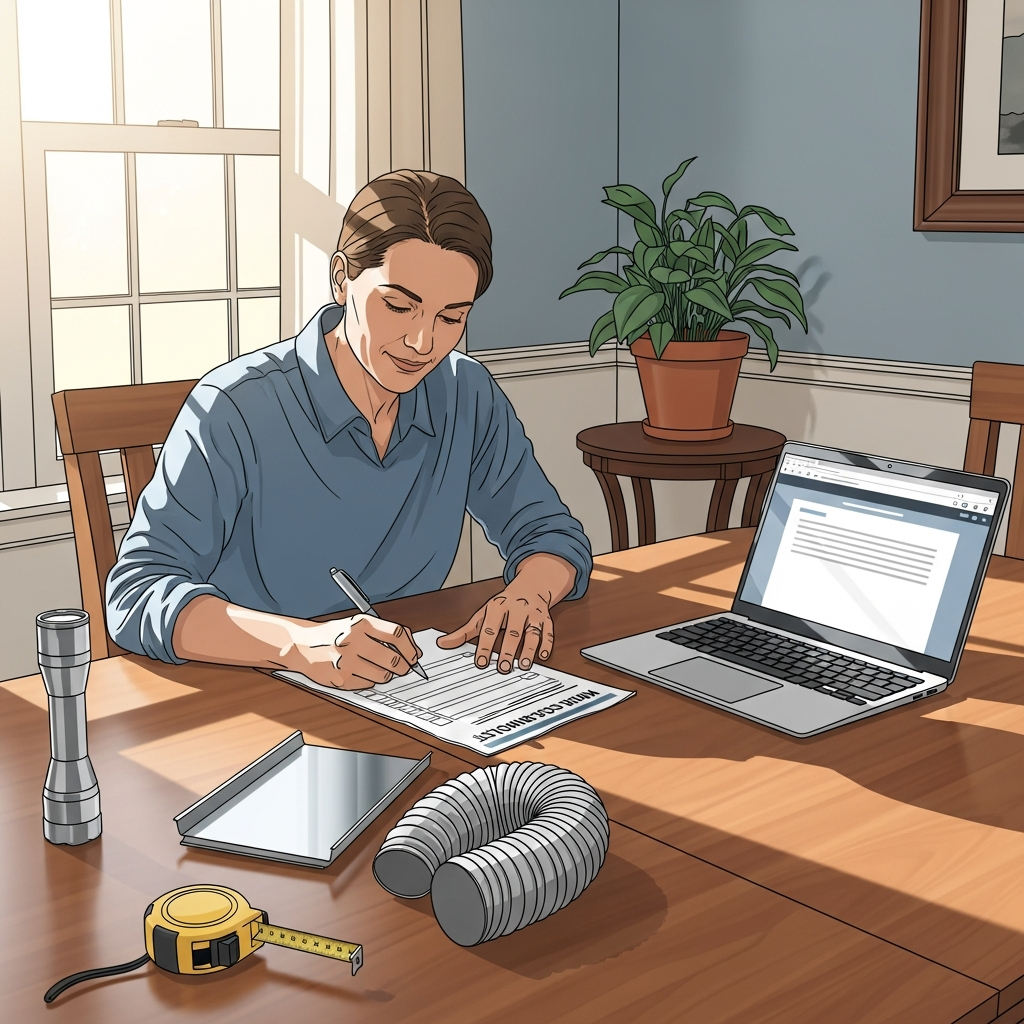
Creating a practical, homeowner-friendly way to estimate project scope for your ducts in Elizabeth, New Jersey starts with understanding your system, not crunching numbers. While many people picture a simple calculator, the most useful tool is a guided checklist that helps you gauge complexity, access, and the level of attention your home is likely to need. This article gives you a step-by-step framework to self-assess your system and arrive at a clear plan to discuss with professionals. If you want a quick overview of methods and terminology before you begin, skim a primer on professional air duct cleaning so you know exactly what the process involves.
How this framework works
Instead of a single figure, you will build a profile of your home’s ducts and HVAC components. The profile is made of several categories—layout, materials, access, buildup level, and goals. Each category influences planning and time on site. By the end, you will have a structured description you can share with a provider, enabling apples-to-apples proposals and a smoother appointment.
Step 1: Map the layout and air handlers
Begin with the basics. Note how many levels your home has and where the supply and return registers are located. Identify the location of the air handler(s) and main trunk lines. Sketch a rough map marking long branches, rooms with weak or strong airflow, and any registers that are hard to reach.
- Number of stories and zones: Multi-floor homes and zoned systems require more planning and sequenced work.
- Trunk-and-branch layout: Simple, direct runs are different from complex routing with many bends and tees.
- Return design: Centralized returns on each level versus multiple returns in bedrooms and hallways.
Step 2: Identify duct materials
Materials influence tool selection and handling. Shine a light into accessible areas or behind a removed register to note what you see.
- Sheet metal: Durable and responsive to mechanical brushing when used appropriately.
- Ductboard: Requires gentler methods to protect the liner.
- Flex duct: Needs careful, measured agitation to avoid damaging the inner core or exterior jacket.
Step 3: Evaluate access and workspace
Walk through your home as a technician would. Consider how hoses, vacuums, and tools will be staged without damaging finishes or crowding living areas. Think about stairs, tight corners, and doorways.
- Mechanical room: Is there clear space around the air handler and returns?
- Attic or crawlspace: Are there safe, sturdy pathways and adequate lighting?
- Registers and returns: Are some positioned behind furniture or in tight alcoves?
Step 4: Gauge buildup level and problem areas
Look for signs of accumulation at register faces and inside grilles. If safe and reasonable, photograph what you see behind a few grille openings. Note pets, recent renovations, and household size—all common contributors to particulate load.
- Light: Minor dust visible at register edges, relatively clean behind covers.
- Moderate: Visible dust trails behind grilles, some debris accumulations.
- Heavy: Matted lint, pet hair clusters, or post-renovation dust within ducts.
Step 5: Clarify your goals
Your goals determine where emphasis should be placed. Share them upfront so proposals reflect the outcomes you care most about.
- Airflow balance: Addressing rooms with persistent hot or cold spots.
- Allergen reduction: Prioritizing return pathways and improved filtration.
- Post-renovation refresh: Removing construction particulates that may have migrated.
Turn your observations into a planning profile
Combine your notes into a concise description: number of levels and air handlers, duct materials, access considerations, buildup level, and priorities. This profile equips any professional to discuss methods, sequencing, and documentation tailored to your home. It also allows you to compare providers fairly because everyone is responding to the same clear picture.
What a thorough professional process entails
To interpret proposals, understand the core steps a disciplined provider follows. Even without numbers, you can evaluate thoroughness by the presence of these steps and the clarity of their explanations.
- Assessment and mapping: Visual inspections, photos, and planning for safe access.
- Protection and containment: Corner guards, drop cloths, and filtration to maintain negative pressure.
- Source removal: Proper agitation and vacuum capture for both supply and return pathways.
- Component attention: Inspection and cleaning of appropriate HVAC components, as scoped.
- Verification: Photos and checks that confirm each section has been addressed.
Elizabeth, New Jersey specifics that influence planning
In Elizabeth’s older homes, ductboard or legacy flex may appear in unexpected sections, and access can be tight in basements and risers. In newer builds, complex zoning and longer attic runs are common. Street parking, shared entryways in multifamily buildings, and historic finishes add layers to planning. A provider with local experience anticipates these realities and arrives prepared to protect your space while working efficiently.
Using your planning profile to compare providers
Once your profile is ready, invite providers to respond to the same information. Ask each to explain how they would approach the work and verify results. You can then compare explanations, not just schedules, to make a confident decision.
- Method detail: Do they explain tool choices for your duct materials?
- Access strategy: How will they work in tight spaces or around delicate finishes?
- Containment approach: What steps ensure particulate capture from start to finish?
- Verification: What photos or checks will confirm completion?
Common pitfalls your framework helps you avoid
Without a structured approach, it is easy to accept vague proposals or overlook challenges unique to your home. Your profile prevents misunderstandings and helps you spot corner-cutting before it happens. It also guides day-of logistics, making the appointment smoother for everyone involved.
- Underestimating access: Tight chases and crowded mechanical rooms slow work and require care.
- Ignoring return pathways: Returns are as critical as supply runs for cleaner indoor air.
- Overlooking documentation: Without photos or checks, it is hard to verify outcomes.
Maintenance habits that keep ducts cleaner longer
After a thorough project, simple habits can extend the benefits. Keep registers unobstructed by furniture or curtains. Use the filter type and replacement interval recommended by your HVAC professional for your system and household. If you plan a dusty project, isolate the area and protect registers to prevent migration of particulates.
Mid-article tip: use shared references to raise the quality of proposals
When everyone speaks the same language, quality rises. Share a concise description of best-practice air duct cleaning with your requests for proposals, so each provider addresses the same expectations for containment, tooling, and verification. This single step can transform vague estimates into clear, accountable scopes.
Frequently Asked Questions
Do I need to inspect every register before talking to providers? No, but sampling a few across different rooms helps you provide a realistic picture of conditions.
How do I know whether duct materials are sheet metal, ductboard, or flex? Carefully remove a register cover and use a flashlight. If unsure, share photos with a professional for guidance.
Is this framework useful for multifamily units? Yes. In fact, clarity about access rules, elevator timing, and shared spaces can make multifamily appointments far smoother.
Will this process disrupt my home? Professionals plan containment and protection to minimize disruption. Share your schedule and any areas of concern in advance.
What if I recently renovated? Note areas near the project and any rooms with unusual dust. Your profile should highlight these so a provider can plan targeted attention.
Can I pair this with HVAC maintenance? Absolutely. Many homeowners coordinate with seasonal maintenance to decide whether duct attention is timely.
From planning to action: what to expect next
With your profile in hand, your next step is to have a clear, focused conversation with a trusted local provider. Share your notes, ask for a methodical plan suited to your duct materials and access realities, and request documentation to confirm completion. This approach respects your time, protects your home, and leads to reliable results.
Make your Elizabeth, NJ home feel fresher
If you want to move from planning to results, connect with a reputable local team that understands Elizabeth’s housing styles and works to rigorous standards in your living space. The right partner will translate your profile into a tailored, respectful appointment and verified outcomes. For a quick refresher on what disciplined methods look like in practice, review air duct cleaning, then reach out to schedule at a time that suits your routine.
