Dryer Vent Installation Near Me in Elizabeth, New Jersey
Searching for reliable dryer vent installation near me in Elizabeth, New Jersey often begins with a simple goal: make laundry faster, safer, and more efficient. A properly designed and installed vent reduces moisture, prevents lint buildup, and lowers fire risk in homes from Elmora to Elizabethport. If you are starting your research, it helps to understand how routing, materials, local code expectations, and ongoing maintenance all come together. For many households and property managers, beginning with a trusted resource for dryer vent installation sets the stage for a project that is completed correctly the first time and lasts for years.
Home styles across Elizabeth vary widely. You may live in a classic two-story near Kean University, a townhouse in Midtown, or a multi-family on the edge of Bayway. Each layout poses different routing options and challenges. The vent path must be planned to keep it as short and straight as possible while meeting building, fire, and manufacturer requirements. Curves add resistance to air flow, which increases drying time and energy use. The right installer will evaluate the home’s layout and recommend routes that maximize safety and performance.
Why Local Knowledge Matters in Elizabeth
Local expertise is more than a convenience; it is a crucial advantage. Contractors familiar with Elizabeth’s housing stock understand common construction features, typical wall assemblies, and the best termination locations for windy days along Newark Bay. They also know the quirks of older homes in Peterstown, the tight utility spaces in certain co-ops, and the way multi-unit buildings handle shared chases or exterior penetrations. That knowledge helps you avoid rework, minimize drywall repairs, and complete installation with minimal disruption to your routine.
Elizabeth homeowners also benefit from installers who are fluent in regional code requirements and inspection expectations. While many dryer vent criteria come from widely adopted standards, your installer should translate those rules to practical decisions about duct type, length, fastening, support spacing, and termination style. When the plan is aligned to local best practices the result is a safer system with fewer service calls due to clogs or poor airflow.
Understanding Dryer Vent Codes and Best Practices
Although exact rules can vary, several best practices apply almost everywhere. The primary recommendation is to use rigid, smooth-wall metal ducting with a 4-inch diameter for most residential dryers. Smooth metal resists lint buildup and stands up to the constant temperature changes that occur during drying cycles. Flexible foil and plastic ducts are typically discouraged or prohibited because they trap lint and can sag, kink, or become damaged. Where flexibility is unavoidable—such as a short transition between the appliance and the wall—a short length of UL-listed semi-rigid metal transition duct may be accepted.
Another essential guideline involves total equivalent length. Every elbow adds resistance to airflow, so designers calculate an equivalent length for each bend and add it to the straight run to make sure the system remains within the dryer manufacturer’s limit. Exceeding that limit can overheat the dryer, extend cycle times, and lead to premature wear or safety hazards. In Elizabeth’s compact homes, where space may be limited, an experienced installer can often re-route the vent or relocate the termination point to keep the equivalent length in a safe range.
Materials That Stand the Test of Time
Quality materials deliver quality results. Installers in Elizabeth often select 26–30 gauge galvanized or aluminum rigid duct, secured with metal foil tape rated for HVAC use—not cloth duct tape, which cannot handle heat and can detach. Joints are installed in the direction of airflow so lint cannot catch on exposed edges. Exterior terminations should include a backdraft damper to prevent cold air, pests, and debris from entering the system. Terminations should not include screens, which can trap lint and block airflow. These details may seem small, but they make a large difference in daily performance and long-term reliability.
Proper clearances around the dryer are also essential. Gas and electric models require space for connections and ventilation. Your installer will check that the appliance can be slid out without crimping the transition, that the gas shutoff remains accessible, and that the electrical cord or gas line is protected from abrasion. In tighter laundry closets common in Midtown apartments, those checks help you avoid callbacks for crushed ducts.
Route Planning for Homes and Buildings in Elizabeth
In single-family homes, the shortest path to the exterior is often through a side wall. In older Elizabethport properties, this may involve drilling through masonry, siding, or stucco, then sealing the penetration against moisture intrusion. In multi-story or multi-family buildings, vertical runs or rooftop terminations may be used, each with unique challenges regarding condensation and support. Condensation traps in unconditioned spaces can create moisture problems; an experienced installer will insulate ducts where needed and avoid attic terminations that can introduce humidity issues.
A good design also considers maintenance. Lint builds up slowly; even the best systems need cleaning. Thoughtful placement of access points and gentle bends allows for easier service with a brush or vacuum equipment. Clear labeling and a route map can help future service technicians clean more thoroughly and quickly—especially helpful for property managers overseeing multiple units in the same complex.
Signs You May Need a New Installation
If your laundry takes longer than it used to, the dryer feels unusually hot to the touch, or the laundry room has a musty odor, your vent may be underperforming. Lint collecting behind the dryer or around the exterior hood is another red flag. In some Elizabeth homes, previous owners connected dryers to long, sagging foil hoses or vented into a crawlspace or garage. Those setups are inefficient and unsafe. A fresh installation with rigid duct and a direct path to the outdoors will improve performance and help reduce the risk of lint-fueled ignition.
Renovations can also trigger the need for a re-route. When you add cabinetry, move the laundry closet, or finish a basement, the old route may no longer meet code or perform adequately. During a remodel, integrating the vent route early allows other trades to coordinate framing and mechanical runs, limiting change orders and protecting critical clearances.
Choosing a Local Installer
Evaluating a professional in Elizabeth comes down to experience, references, and attention to code. Look for clear proposals that describe duct material, route length, number of elbows, termination type, and any necessary patching or sealing. Ask how the team ensures manufacturer limits are met and what tests they perform after installation—such as airflow measurement or temperature checks—to confirm proper operation. A provider that offers maintenance or cleaning services in addition to installation can support your system throughout its life cycle, which is helpful for busy households and landlords.
Midway through your planning, it helps to revisit resources and confirm your priorities. If you want a safer, faster-drying laundry routine and a clean, compliant setup, a reputable partner for professional dryer vent installation can guide product choices, layout options, and long-term care schedules that fit Elizabeth’s climate and home styles.
What to Expect on Installation Day
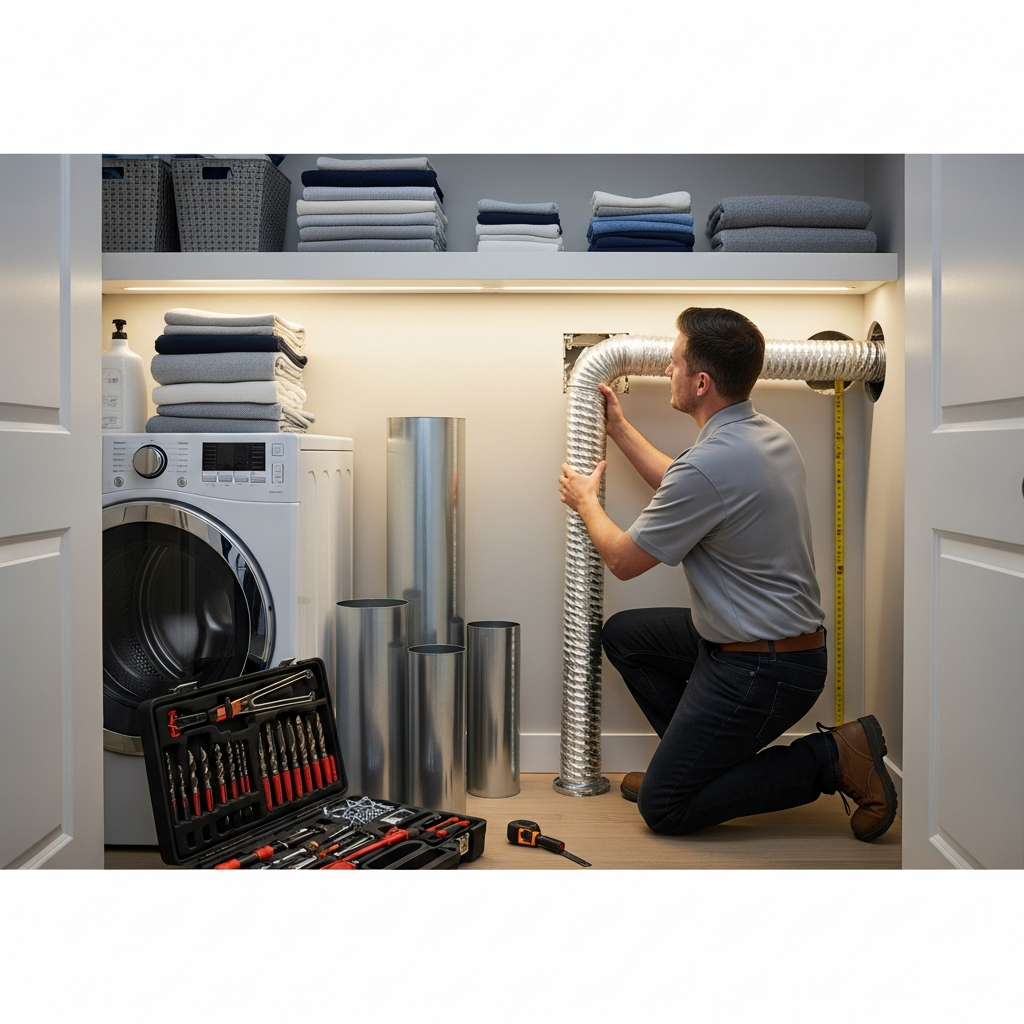
Most single-family installations in Elizabeth can be completed in a few hours, depending on accessibility and wall composition. The crew will confirm the route, protect nearby floors and appliances, and set up dust control for coring or drilling. After cutting the penetration and assembling the duct run, they will seal joints, secure supports, and mount the termination hood. Next comes appliance reconnection with a safe transition and a check for kinks or crushing. Finally, they test exhaust velocity and verify the damper opens freely under dryer airflow.
If patchwork is necessary around the penetration, the installer can seal the exterior and provide guidance for any interior touch-ups. Before leaving, reputable teams explain maintenance timelines, demonstrate safe dryer clearances, and leave you with cleaning or inspection reminders tailored to your household’s laundry volume and the number of occupants.
Safety, Efficiency, and Ongoing Care
Every dryer produces lint, even if you clean the lint screen religiously. Some lint escapes the filter and travels down the vent, where turbulence or rough surfaces can cause it to accumulate. Over time, that buildup narrows the passage, raising temperatures and increasing drying time. Regular cleaning, typically once a year for most families and more often for large households or multi-dog homes that shed heavily, helps maintain optimal performance. After a new installation, mark your calendar for the first inspection so you can establish the right interval for your usage.
Other simple practices go a long way. Avoid crushing the transition hose when pushing the dryer back in place. Do not overload the appliance, and clean the lint screen between every cycle. If you dry lots of towels or bedding, consider splitting loads to maintain airflow. And keep an eye on your exterior hood; if it sticks, if the damper is damaged, or if lint accumulates around it, schedule service promptly to head off more serious issues.
Frequently Asked Questions
Q: Do I need a permit for a new dryer vent in Elizabeth? A: Requirements can vary based on scope and building type. Some replacements that do not modify structural elements may be straightforward, while new penetrations or multi-family projects may need approvals. A local professional can advise on current expectations and coordinate with building management when applicable.
Q: What materials are recommended for durability and safety? A: Smooth, rigid metal ducting with properly sealed joints is the gold standard for most homes. Transition connections should be short, heat-rated, and positioned to avoid kinks. Plastic or thin foil ducts are generally discouraged or prohibited because they trap lint and can overheat.
Q: How long should my dryer vent be? A: The answer depends on your dryer’s manufacturer limits and the number of bends. A trained installer calculates total equivalent length and may adjust the route to keep you within safe parameters. Shorter and straighter is almost always better for airflow.
Q: Can I vent my dryer into a garage or attic? A: No. Dryer exhaust should terminate outdoors with a proper hood and backdraft damper. Venting indoors or into unconditioned spaces can cause moisture damage, mold growth, and safety hazards.
Q: How often should I schedule cleaning after a new installation? A: Many households benefit from annual cleaning, but high-volume laundry rooms—large families, in-home daycare, or heavy pet hair—may need service more frequently. Monitor cycle times and heat; if either increases, schedule service sooner.
Serving Every Neighborhood in Elizabeth
From North Elizabeth near the rail lines to busy corridors around the Mills at Jersey Gardens, homes and businesses share a common set of goals: reduce fire risk, improve efficiency, and protect the building envelope from moisture. A well-planned installation achieves all three while keeping maintenance simple. Residents in The Point, Elmora Hills, and Peterstown can expect tailored routing recommendations that respect the structure and meet modern standards—especially important in historic homes where careful drilling and sealing preserve the building’s character.
If you oversee a multi-family property, planning is even more critical. Coordinating with tenants, arranging access, and documenting routes for future maintenance can transform a one-time upgrade into a long-term improvement. By choosing professional help, you limit downtime, protect drywall and finishes, and establish a cleaning cadence that keeps dryers running at peak performance year-round.
Make the Most of Your Laundry Room
Beyond the vent itself, you can upgrade the entire laundry experience with small changes: better lighting, shelving to keep detergents organized, or a drip pan under the washer to manage accidental leaks. While those changes are not part of the vent system, they complement a safe, efficient dryer setup. A clean, well-organized laundry space also makes it easier to spot issues early—like a damaged transition line or an exterior hood that needs attention.
Ready to Improve Your Home’s Safety and Efficiency?
Elizabeth homeowners and property managers deserve a dependable dryer setup that keeps laundry moving and homes safe. If you are ready to schedule or want a professional opinion on route options, materials, and maintenance planning, connect with a trusted local team for expert dryer vent installation services. With the right partner, your project can be completed cleanly and efficiently, setting you up for years of reliable drying and peace of mind.
