Dryer vent maintenance is one of the most effective ways to protect your Elizabeth, New Jersey home from unnecessary heat buildup and sluggish laundry days. A clean, well-functioning vent saves time by moving hot, moist air outside quickly; it also helps your dryer operate within its intended temperature range, supporting longevity and consistent results. While professional dryer vent cleaning delivers the deepest reset, the habits you practice week to week play a huge role in keeping airflow strong.
Elizabeth’s seasonal swings—humid summers, cold winters, and coastal weather—can turn small vent issues into larger problems if neglected. Dampers can stick, lint can compact, and tight laundry closets can pinch transition ducts when the dryer is pushed back. The following maintenance tips help you navigate these realities and build a practical routine that fits your household.
Make the lint screen your first line of defense
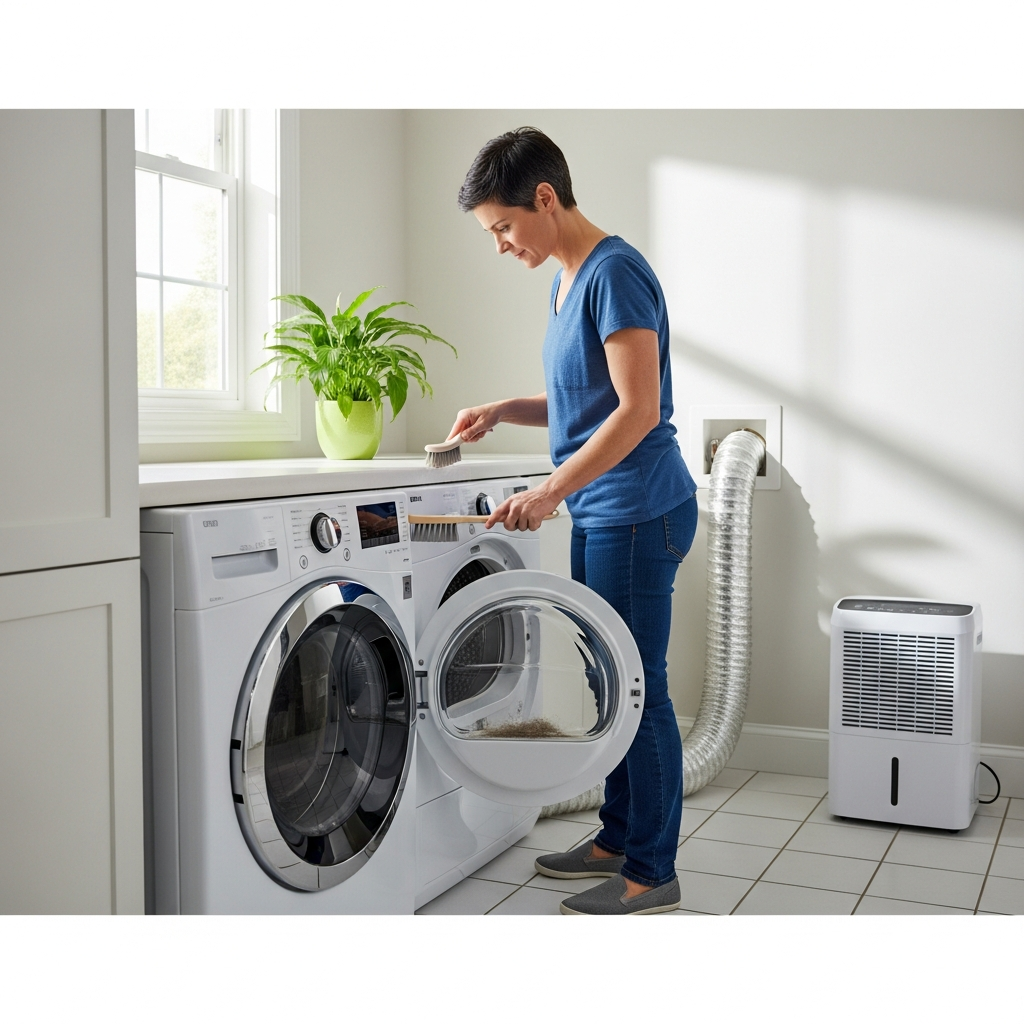
Clean the lint screen every single load. Even a thin layer of lint restricts airflow inside the drum, which extends dry times and pushes more lint toward the vent. Rinse the screen periodically if you use fabric softeners or dryer sheets, as residue can build up on the mesh. Let it dry fully before reinserting. Consider keeping a small brush nearby to sweep lint from the housing where the screen sits.
Protect the transition duct behind the dryer
The short connector between your dryer and the wall is a frequent choke point. Avoid plastic or vinyl. Prefer rigid or semi-rigid metal and ensure a gentle curve, not a sharp fold. After each deep clean or appliance service, verify the dryer slides back without crushing the duct. If your laundry nook is tight, ask a professional about low-clearance elbows designed to maintain smooth airflow in limited space.
Respect loading and fabric mix
Overloading generates extra lint and heat, making the vent work harder. Mix heavy items like towels with lighter fabrics to promote balanced tumbling. When possible, spin-wring laundry thoroughly in the washer to reduce moisture load before drying. These small choices reduce the number of cycles your dryer needs, indirectly easing the burden on your vent system.
Keep the area around the dryer tidy
Clutter behind or beside the dryer can press against the transition duct. Vacuum dust regularly to prevent buildup that might migrate into the vent during operation. Periodically pull the dryer out a few inches to confirm the connector retains a smooth radius and that no objects are impeding it.
Check exterior airflow monthly
During a dry cycle, step outside and feel for a strong, warm exhaust at the termination. Watch the damper: it should open fully and move freely. If the airflow is weak or the damper barely opens, a restriction could be forming. In that case, consider moving up your schedule for professional dryer vent cleaning so the issue does not escalate.
Seasonal maintenance routines for Elizabeth homes
- Pre-winter check: Ensure the exterior damper swings easily and is not likely to freeze shut.
- Post-summer refresh: Humidity can compact lint; verify strong airflow and clear any visible clumps at the termination.
- Storm follow-up: After heavy winds or debris, inspect the exterior hood for obstructions.
- Allergy seasons: Pet hair and lint can increase; be extra diligent with lint screen cleaning.
Adapting your routine to the seasons helps prevent small issues from compounding when conditions are toughest.
Mind the signs of restricted airflow
- Clothes require extra cycles to dry.
- The dryer or laundry room feels hot to the touch after a run.
- A musty or burnt-lint odor develops.
- Visible lint accumulates around the exterior hood or bird guard.
- Moisture appears on nearby walls or windows during drying.
When these signs appear, act quickly. Early attention often means a shorter, simpler service visit and less strain on your dryer.
Material matters
Whenever you update your laundry area, choose rigid or semi-rigid metal for the vent. Avoid screws that protrude into the airflow path at joints, since they can trap lint. Use proper clamps, and keep elbows to the minimum needed. If your home uses flexible ducting in tight spaces, make sure it is rated for dryer exhaust and installed to avoid sharp bends.
Make inspections part of your plan
Inspection complements cleaning by identifying why restrictions occur. A camera view or careful visual check can reveal a crushed section in a wall cavity, a hidden joint leak, or a termination hood that sticks. In multifamily buildings common to Elizabeth, a shared layout can introduce long runs that benefit from periodic airflow measurements. Keep simple notes on when cleaning and inspection occur and what was found. This record helps you detect patterns and plan the next visit.
Habits that reduce lint production
- Shake out lint-prone laundry before putting it in the dryer, especially new towels and fleece.
- Empty pockets; paper and debris add lint and clog screens.
- Clean pet hair from bedding and blankets before washing and drying.
- Use appropriate heat settings; overheating can produce extra lint and stress fabrics.
Reducing lint at the source is one of the most effective ways to maintain clear airflow between professional visits.
What to expect from a professional visit
A complete service typically includes a walkthrough, safe handling of the appliance, mechanical cleaning of the vent, clearing and testing the exterior termination, and airflow verification. The technician will reconnect the transition duct with a gentle radius and ensure the dryer is level. You will receive recommendations tailored to your setup—such as a better transition connector or a small adjustment to the termination hood—that help keep results strong.
Creating a realistic maintenance calendar
For many Elizabeth homes, annual cleaning is a strong baseline. Households with large families, long vent runs, or pets may benefit from more frequent visits. Tie your schedule to seasonal markers—before deep winter and after peak summer—or to household milestones like back-to-school or spring cleaning. A predictable cadence turns maintenance into a habit rather than a chore.
Frequently asked questions
- How can I tell if the vent is really clear? Strong, warm airflow at the exterior during a cycle and improved dry times are positive signs. Professional airflow readings provide added assurance.
- Is plastic venting ever acceptable? For safety and performance, rigid or semi-rigid metal is preferred. Plastic or vinyl is discouraged.
- Can I clean the vent myself? You can maintain the lint screen and the space behind the dryer, but full vent cleaning is most effective with professional tools.
- Do I need to be home for service? Yes, being present helps with access and allows you to review findings and recommendations.
- How often should I check the exterior hood? Monthly checks during a dry cycle are a simple, effective habit.
- What if the dryer is stacked in a closet? Pros plan safe handling for stacked configurations and tight spaces.
- Why does humidity make clogs worse? Moist air can compress lint into denser mats, which resist airflow.
Make laundry easier with proactive care
Small, steady habits plus periodic professional support deliver the best results. If your dryer runs hot, if loads take longer than they used to, or if it has been a while since your last visit, schedule expert dryer vent cleaning with a reliable Elizabeth provider. With a clear vent, you will enjoy faster drying, greater peace of mind, and a smoother routine for every season ahead.
