New install
Dryer Vent Installation in New Jersey
Code-compliant dryer vent runs installed cleanly the first time — rigid metal duct, proper routing, and weather-tight exterior termination. Based in Elizabeth, NJ and serving all of New Jersey.
Why it matters
Real benefits you can actually feel.
- Smooth rigid metal duct that resists lint buildup
- Shortest practical run for best airflow
- Proper exterior vent hood for weather and pests
- Installation that meets local NJ building codes
- Reduced fire risk from day one
- Better drying performance and energy efficiency
Serving Elizabeth, NJ and surrounding counties.
Open 7 days · Insured & bonded · Same-week scheduling.
Signs you need this
Look for these everyday signals.
Your existing vent uses flexible foil or plastic duct
Vent run is excessively long or has too many bends
You're remodeling or relocating your laundry room
There's no exterior termination, or it vents into the attic
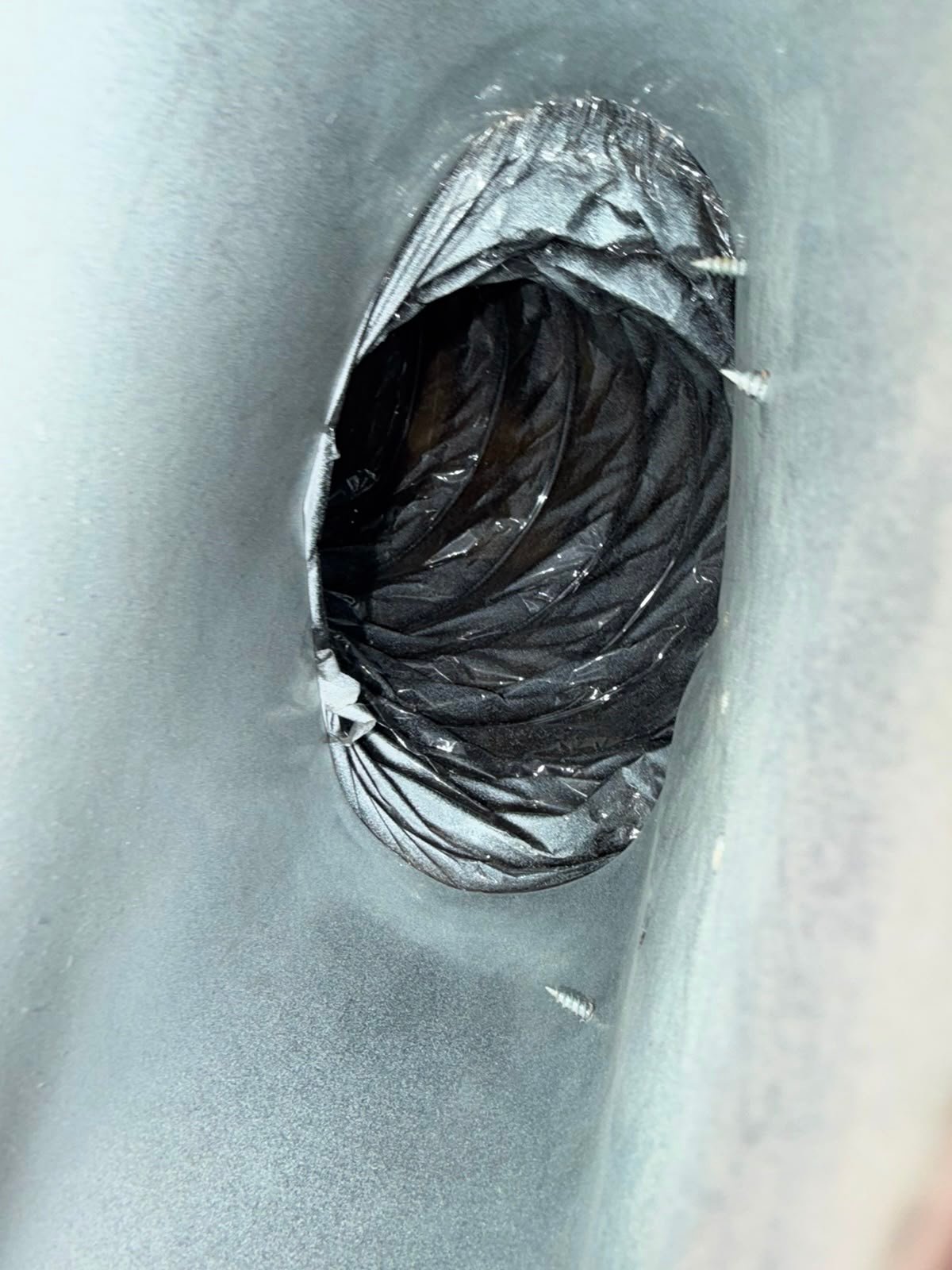
The vent uses sheet-metal screws (a code violation)
Our process
How a dryer vent installation visit actually goes.
Every step is specific to this service — no generic checklist, no surprises once we arrive.
- 01
Plan the shortest practical route
We measure laundry-room location, wall and ceiling cavities, and exterior options to plan the cleanest run.
- 02
Cut wall or roof penetration
A clean, properly flashed penetration is cut for the exterior termination — no oversized holes, no sealant-only patches.
- 03
Run rigid galvanized metal duct
Smooth-walled metal duct is installed in the planned route, sized correctly and supported along the run.
- 04
Seal joints with foil tape (never screws)
Every seam is sealed with UL-listed foil tape so nothing protrudes inside the duct to catch lint.
- 05
Install exterior hood with backdraft damper
A proper wall or roof hood with damper and pest screen is installed and flashed for weather.
- 06
Connect the dryer and verify airflow
Transition hose is connected, the dryer runs on heat, and we confirm strong airflow at the exterior termination.
Why AMG
Why homeowners choose AMG Duct Cleaning.
We protect your home before work begins, explain what we find, and clean up before leaving. No pressure, no scare tactics — just the work we said we'd do, done cleanly.
Clear estimates
You'll know the scope and the price before any work begins. No surprise add-ons.
Respectful technicians
Uniformed, friendly, locally hired. Trained to work cleanly in lived-in homes.
Residential & commercial
Homes, offices, retail, and multi-family — we scope each job to fit the building.
Detailed inspections
We protect your home, explain what we find, and clean up before we leave.
Dryer vent & chimney safety
Specialists in the systems most commonly skipped on a routine HVAC visit.
Open 7 days
Evenings and weekends available across New Jersey — same-week openings most weeks.
Why duct type and routing matter
The International Residential Code requires dryer vents to be smooth-walled rigid metal, no longer than 35 feet (minus 5 feet per 90-degree elbow). Flexible foil and plastic ducts trap lint, sag over time, and are documented fire hazards — yet they're what most homes were originally built with.
We install rigid galvanized duct with foil-taped joints (never screws, which catch lint), a proper roof or wall termination with a backdraft damper, and clean transitions at both ends.
Where we work
Serving homes across New Jersey.
Elizabeth, NJ — covering every county in the state.
Related services
Other ways we help.
Air Duct Cleaning
Remove built-up dust, allergens, and debris from your ductwork for fresher indoor air.
See Air Duct Cleaning detailsAir Duct Repair
Seal leaks, fix damaged sections, and restore airflow across your HVAC system.
See Air Duct Repair detailsAir Duct Installation
Custom ductwork installed for efficient airflow in new builds and renovations.
See Air Duct Installation detailsFAQ
Questions homeowners ask.
Why does duct type matter?
Smooth rigid metal duct resists lint buildup and lasts far longer than foil or plastic flex duct, which is also a fire hazard.
Can you reroute an existing vent?
Yes — we can plan a better route to reduce length, eliminate sharp bends, and improve airflow.
Do you handle roof terminations?
Yes, we install wall and roof terminations with proper flashing and backdraft dampers.
From the blog
Helpful reads from our team.
Free estimate
Get a free estimate from AMG Duct Cleaning.
Tell us a little about your home or business and the service you're considering. We'll follow up quickly with clear next steps. No pressure. Clear scheduling. Friendly local service.
Need faster help?
(877) 824-9359- Elizabeth, NJ · Serving New Jersey
- info@amgductcleaning.com
- Mon–Sun, 8:00 AM – 8:00 PM
Request your free estimate
We typically reply same day, 7 days a week.