Planning a dryer vent installation in Elizabeth, New Jersey involves more than cutting a hole and attaching a duct. Because local homes vary—from historic brick structures to modern townhomes—timing each step well ensures a smooth, code-aware project. This guide outlines a realistic timeline, from early planning and material selection to the final airflow test. If you prefer to streamline the process without guesswork, you can always consult experienced pros for efficient dryer vent installation that fits your schedule.
Overview of the Typical Timeline
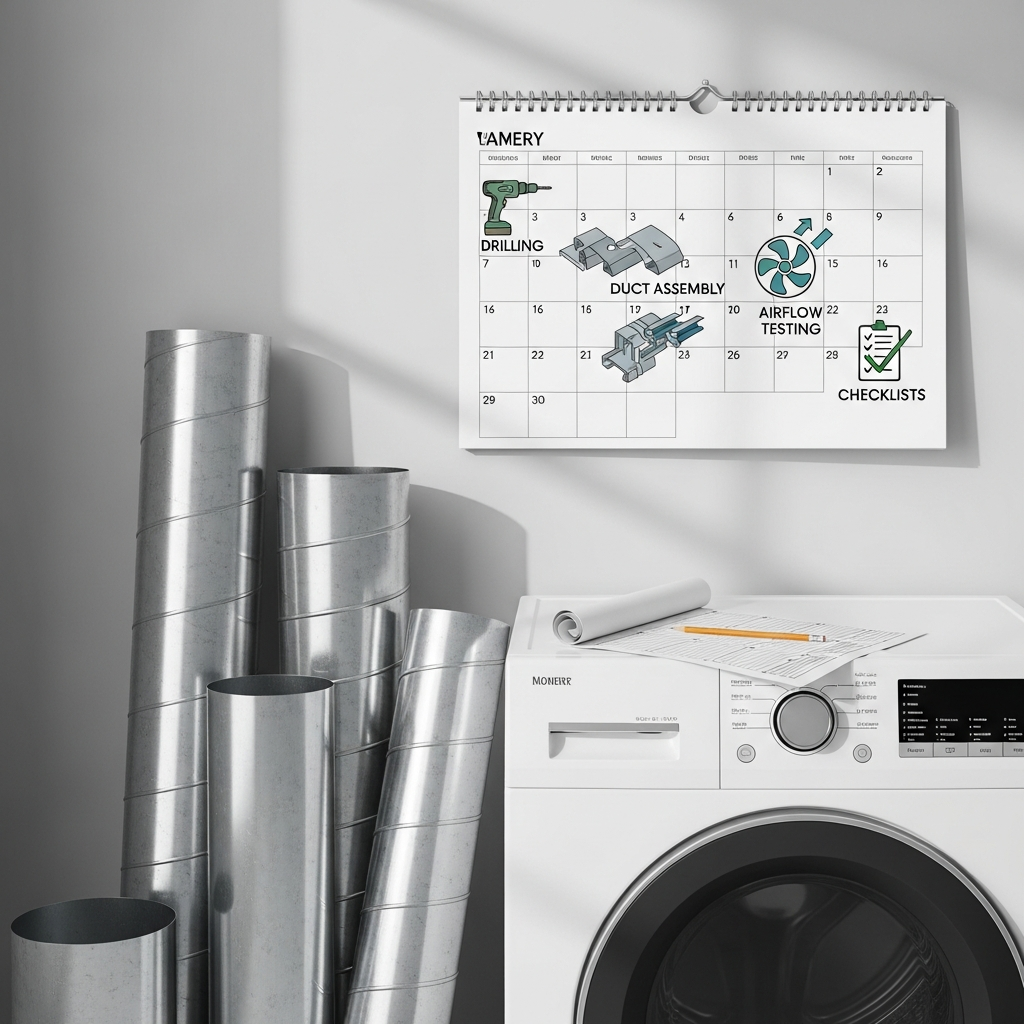
While every home is different, most projects follow a predictable arc: plan the route, check local requirements, gather materials, perform the installation, and test. Expect minor adjustments based on your wall composition, accessibility, and whether you are venting through siding, brick, or a roof.
- Planning and assessment: 1 to 3 hours
- Material sourcing: Same day to 2 days, depending on availability
- Permitting or approvals (if applicable): Same day to 2 weeks
- Installation: 2 to 6 hours for straightforward runs; more if masonry or complex routing is involved
- Testing and cleanup: 30 to 60 minutes
Phase 1: Pre-Planning and Site Assessment
Begin with a walk-through of your laundry area. Identify the nearest exterior wall, the framing direction, and potential obstacles such as plumbing stacks or electrical lines. In many Elizabeth homes, laundry spaces are in basements with convenient rim-joist exits. For interior or upper-level laundries, you may need to route vertically to reach an exterior wall or roof.
- Sketch a route that minimizes elbows and length.
- Check for clearance at the exterior termination point, keeping away from doors, windows, and grade-level obstructions.
- Note materials you will need: 4-inch smooth metal duct, elbows, foil-backed HVAC tape, a listed exterior hood, and support straps.
Time estimate: 1 to 3 hours, depending on how many options you evaluate and how accessible the proposed route is.
Phase 2: Confirm Requirements and Approvals
Before you cut any holes, confirm local expectations for dryer vent installations. In multifamily buildings, coordinate with property management or your HOA. If your plan includes a new exterior penetration or routing through a shared wall, ask whether a permit or inspection is required. This step protects you from rework and ensures your project aligns with commonly adopted standards.
Time estimate: Same day for a simple phone call; allow up to 2 weeks if a formal review or inspection is needed.
Phase 3: Source Materials and Tools
Once the design is set, source materials locally. Most home centers in and around Elizabeth carry smooth metal duct, elbows, and listed exterior hoods. Specialty items like masonry sleeves, roof caps, or long flexible drill bits may require a special order. Confirm the diameter and accessory compatibility before purchase.
- 4-inch diameter smooth metal duct sections
- Adjustable smooth metal elbows
- Foil-backed HVAC tape
- Listed exterior hood with backdraft damper
- Wall thimble or roof flashing, as needed
- Transition connector for the dryer-to-wall link
- Support straps or hangers, fasteners, and sealant for the exterior hood
Time estimate: Same day for standard parts; 1 to 2 days if special items are backordered.
Phase 4: Preparation and Protection
Set aside time to clear the work area and protect finishes. Move the dryer carefully to avoid damaging flooring or kinking hoses. Lay down a drop cloth. If you are drilling through plaster or masonry, consider dust control measures to protect nearby rooms.
- Unplug the dryer and shut off gas if applicable.
- Mark the exit point and drill a pilot hole to verify the exterior location.
- Gather eye protection, gloves, and a dust mask.
Time estimate: 30 to 60 minutes.
Phase 5: Cutting and Penetrations
Cutting the exit opening is often the most delicate step. In wood-framed walls with siding, a hole saw can make quick, clean work. In brick or block, expect more time for drilling, chiseling, or using a masonry core bit. Install a wall thimble or sleeve where required to protect combustibles and provide a clean finish.
Time estimate: 30 minutes for wood/siding walls; 1 to 2 hours for brick or block, depending on tools and experience.
Phase 6: Duct Assembly and Sealing
Assemble the duct run from the exterior toward the dryer. Use adjustable elbows sparingly and orient the crimped ends in the direction of airflow. Support the duct run every 4 to 6 feet and maintain a slight slope toward the exterior to drain condensation. Seal joints using foil-backed HVAC tape suitable for dryer ducts; avoid screws that intrude into the airstream.
Time estimate: 1 to 3 hours depending on length and complexity.
Phase 7: Connecting the Dryer and Setting the Appliance
Use a short, listed transition connector between the dryer and the first rigid section or wall collar. Keep bends gentle to prevent crushing when you slide the dryer back. If the unit is gas-fueled, reconnect the gas line with care and test for leaks using an approved method.
Time estimate: 30 to 60 minutes.
Phase 8: Testing, Verification, and Cleanup
Run the dryer on an unheated cycle and check airflow at the exterior hood. The damper should open fully and close when the dryer stops. Indoors, listen for rattling or hissing that suggests loose joints or gaps. Verify that all supports are secure and that there is no noticeable vibration.
Time estimate: 30 to 60 minutes.
Timeline Considerations Unique to Elizabeth, NJ
Elizabeth’s housing stock presents a few timing variables. Brick exteriors, common in many neighborhoods, add time for careful drilling or coring. Historic interiors may include plaster-and-lath walls that demand slow, precise cuts to prevent cracking. In winter, plan for additional time to manage outdoor work safely and to keep the home warm during penetrations. In summer, humidity can increase cleanup time and the importance of sealing joints well.
- Multifamily or HOA approvals: Add a few days for communication and sign-offs.
- Weather delays: Build a buffer during snow or heavy rain seasons.
- Specialized tools: Allow time to rent or buy masonry bits, sleeves, or roof safety equipment if needed.
What Can Extend the Timeline
- Long runs requiring more elbows, supports, or a redesign to meet manufacturer length limits
- Unexpected obstacles in walls, such as pipes or wiring, that require rerouting
- Exterior obstacles like decks, tight lot lines, or landscaping that complicate access
- Discovery of outdated or unsafe existing ducts that must be removed
Ways to Accelerate Your Project
- Pre-order specialty parts like a roof cap or masonry sleeve if you know you will need them.
- Have all tools ready and blades sharp before starting cutting tasks.
- Stage materials near the laundry area in the order you will use them.
- Measure twice, cut once—avoid rework by confirming your route and clearances.
Sample One-Day Timeline for a Typical Elizabeth Basement Laundry
- 8:00–9:00 AM: Move the dryer, protect floors, mark the exit point, drill pilot hole.
- 9:00–10:00 AM: Cut the opening through siding and sheathing; install wall thimble.
- 10:00–12:00 PM: Assemble and support rigid duct; install exterior hood; seal joints.
- 12:00–1:00 PM: Lunch and cleanup of debris.
- 1:00–2:00 PM: Connect transition duct; slide dryer into place carefully.
- 2:00–3:00 PM: Test airflow, verify damper action, tidy the work area.
Maintenance Milestones After Installation
Building a timeline does not end when the last joint is taped. Plan for ongoing maintenance to keep airflow strong:
- Monthly: Inspect the exterior hood and remove lint buildup.
- Quarterly: Vacuum accessible duct sections and the transition connector.
- Annually: Consider a full cleaning, especially if you dry heavy lint items frequently.
- After storms: Confirm the damper moves freely and the termination is not blocked by snow or debris.
FAQ
Q: How long does a typical dryer vent installation take? A: Many straightforward projects finish in 3 to 6 hours, with added time for masonry or complex routing.
Q: Do I need to be home all day? A: For professional work, expect a half-day window. If approvals or inspections are required, you may need to be available for those, too.
Q: What if it rains or snows? A: Outdoor steps like cutting the exterior opening and installing the hood may be delayed. Build weather flexibility into your schedule.
Q: Can I start before getting approvals? A: It is best to confirm requirements first to avoid rework.
Q: Why do some projects take multiple days? A: Brick coring, roof penetrations, or rerouting around hidden obstacles add time. Waiting for specialty parts can also extend the schedule.
Q: Is roof venting slower than wall venting? A: Often, yes, due to roof safety setup and flashing steps.
Q: How much time should I allocate to cleanup? A: Reserve at least 30 minutes for sweeping, vacuuming, and removing dust, more for masonry jobs.
Q: What about evening or weekend work? A: DIYers can split the project over evenings, but try to complete penetrations and exterior sealing in daylight for accuracy.
Q: How do I know if the job was successful? A: Strong exterior airflow, proper damper movement, and normal drying times are good indicators.
Q: What is the post-install timeline for maintenance? A: Plan monthly visual checks, quarterly vacuuming, and annual cleaning.
Plan Confidently and Keep Laundry Day on Track
With a clear timeline, you can budget a day or two for most Elizabeth dryer vent installations, adding a buffer for masonry, weather, or building approvals. If your schedule is tight or your route is complex, consider booking experienced help to keep the project moving and compliant. You can save time by arranging a visit and professional dryer vent installation that delivers strong airflow and peace of mind.
