July 3, 2026 · 6 min read
Where the air goes
Typical residential duct systems lose a meaningful share of conditioned air through unsealed seams, disconnected boots and failed tape at plenum joints.
In New Jersey homes with basement or attic runs, that air is being paid for and then discarded outside the thermal envelope.
What it feels like inside
Rooms at the end of a run that never quite reach temperature, a system that runs constantly on design days, and dusty air are the common symptoms.
Negative pressure from return-side leaks also pulls basement and crawlspace air into the house.
Finding the leaks
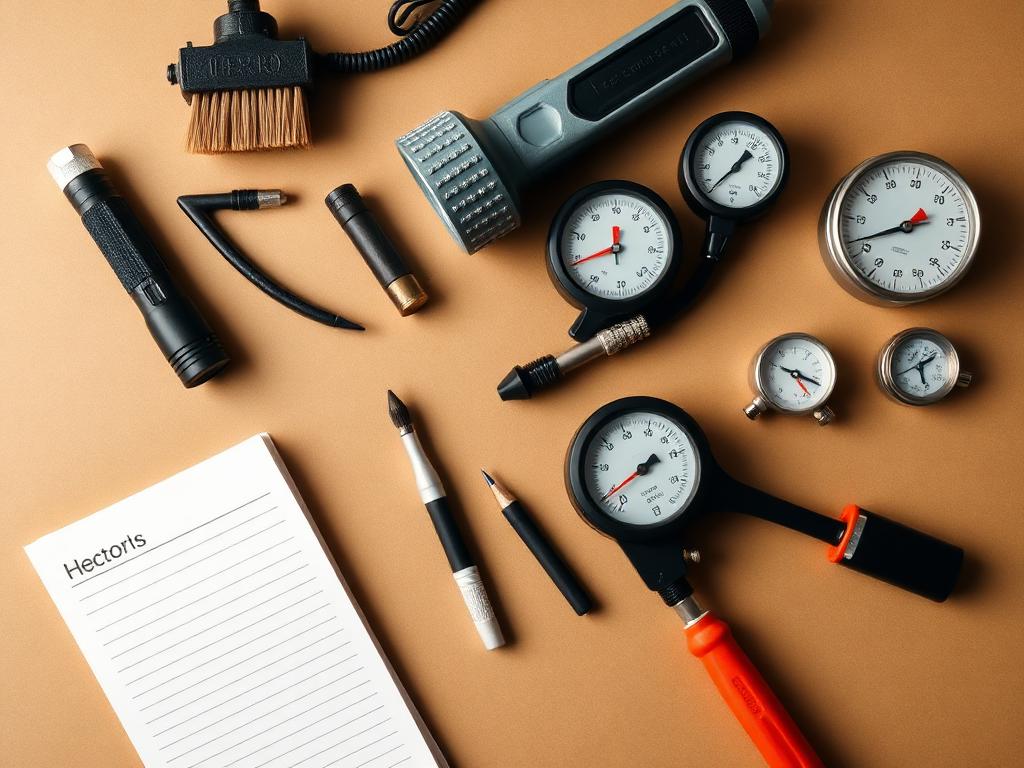
Visual inspection catches the obvious disconnects. Pressure testing finds the rest, including leakage inside wall cavities used as return paths.
Old cloth duct tape is a reliable indicator — it fails within a few years and is nearly always the first thing to inspect.
- Disconnected boots above ceilings or under floors
- Failed cloth tape at trunk seams
- Unsealed plenum-to-air-handler joints
- Panned joist returns leaking into cavities
- Crushed or torn flexible branches
What sealing recovers
Mastic on every accessible joint, mechanically fastened reconnections, and insulation restored over the repair.
Most homeowners notice the difference on the first hot day, and the far rooms respond first.
Related service
Air Duct Repair
Seal leaks, fix damaged sections, and restore airflow across your HVAC system.
See Air Duct Repair details