July 21, 2026 · 6 min read
It starts with a measurement
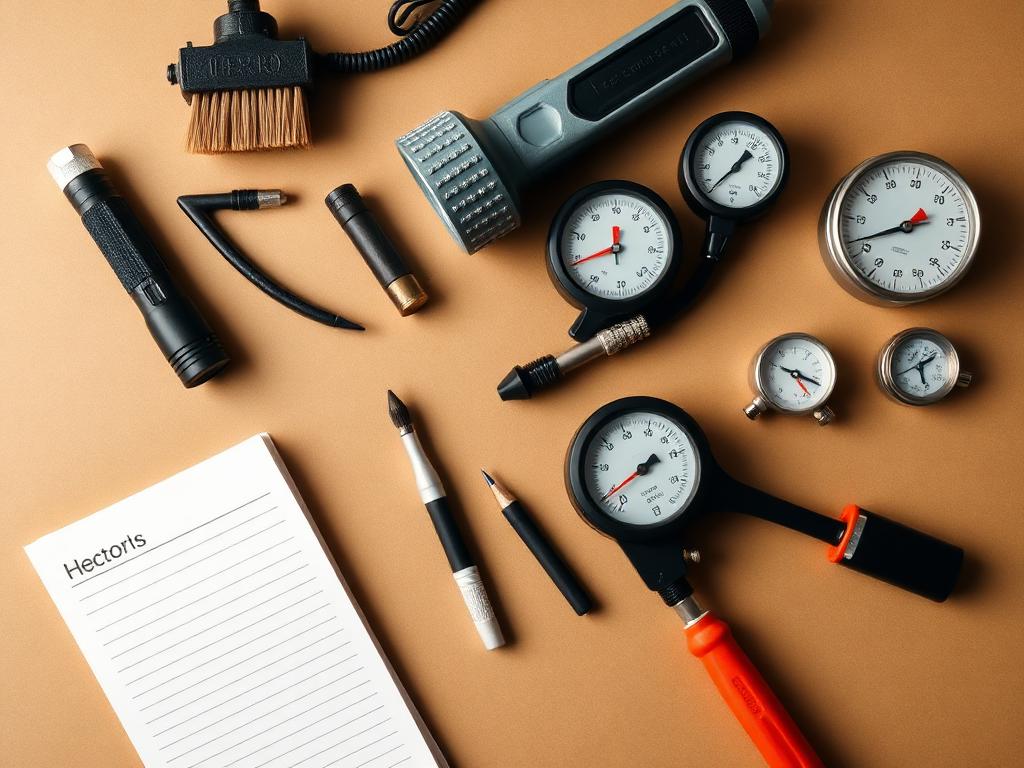
We check airflow at the exterior termination before touching anything, which gives a baseline number to compare against at the end.
That number is also how we tell the difference between a clogged duct and a failing dryer.
Machine pulled, transition inspected
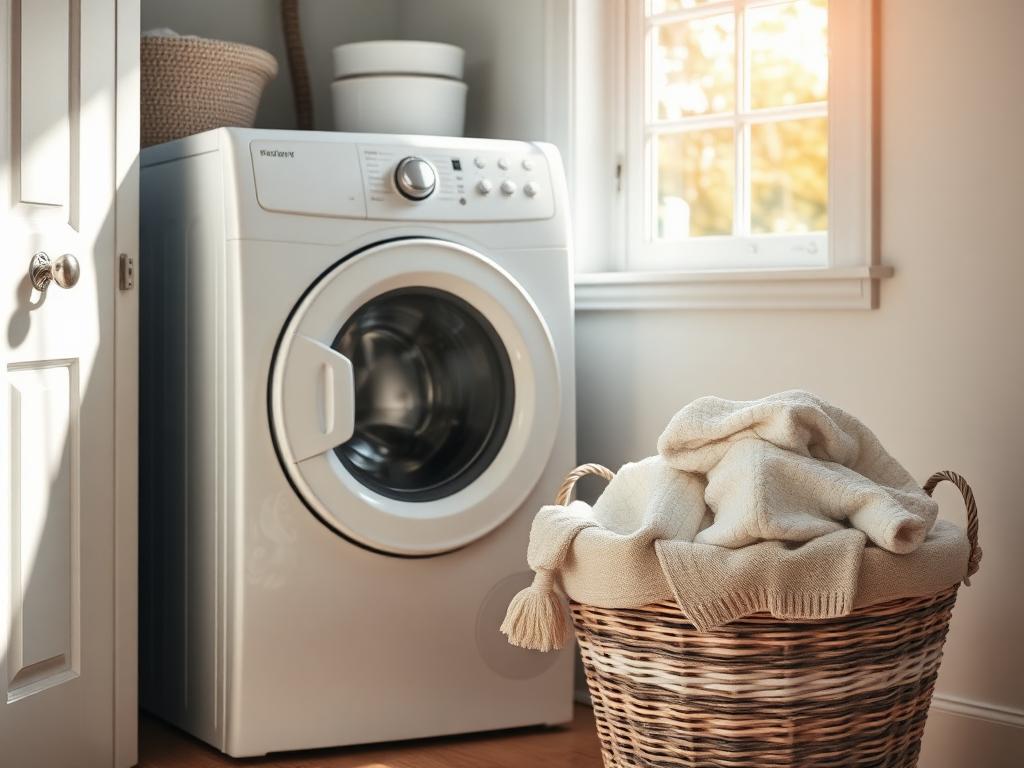
The dryer comes away from the wall so the transition hose can be inspected and, if it is vinyl or crushed, replaced.
The lint trap housing gets vacuumed too, since a surprising amount collects below the screen.
Rotary brushing with vacuum capture
A flexible rotary brush runs the length of the duct while a vacuum captures the released lint, working from both ends where access allows.
Compressed-air whips clear elbows and low spots where lint packs hardest.
Exterior check and re-test
The hood and damper are cleaned and tested for full swing, then airflow is measured again and compared to the starting reading.
We finish by running the dryer for a few minutes to confirm normal exhaust at the outlet.
Related service
Dryer Vent Cleaning
Clear lint buildup to reduce fire risk and help your dryer run efficiently again.
See Dryer Vent Cleaning details