July 7, 2026 · 6 min read
Indoor symptoms point to a recirculation problem
Outdoor allergens are seasonal and unavoidable. Indoor symptoms that peak when the AC kicks on are different: they usually mean allergens are being stored somewhere in the system and redelivered on every cycle.
Ductwork is the most common storage location, because it is the only part of the system nobody inspects.
What actually accumulates
Duct interiors collect a mix of settled pollen, skin cells, pet dander, textile fibers and, in damp basements, mold spores. None of it is dangerous while it sits still, but airflow lifts the finest particles back into circulation.
The blower wheel is the worst offender. A caked blower loses efficiency and throws a fine plume of debris every startup.
What cleaning changes and what it doesn't
A thorough cleaning removes the reservoir. It does not replace source control, so keeping windows closed on high-pollen days and running a correctly rated filter still matters.
Households with documented allergies usually notice the difference within the first week, mainly in reduced morning congestion and less visible dust on hard surfaces.
Pair cleaning with the right filter
For most New Jersey residential systems, MERV 8 to 11 is the sweet spot. Higher ratings capture more, but they raise static pressure and can starve an older blower.
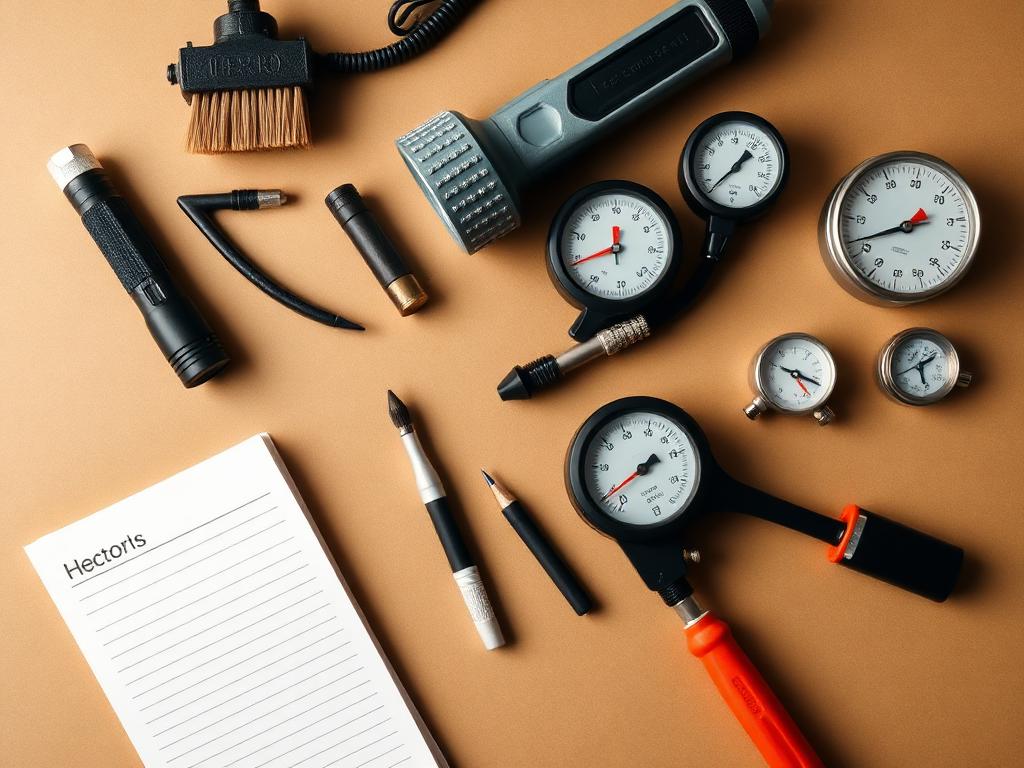
We check static pressure before recommending anything above MERV 11 so the fix does not create a new problem.
Related service
Air Duct Cleaning
Remove built-up dust, allergens, and debris from your ductwork for fresher indoor air.
See Air Duct Cleaning details