Seal the Leaks, Restore the Comfort: Elizabeth, NJ Ductwork Done Right
Leaky air ducts are silent comfort thieves. They waste conditioned air, invite dusty or humid air into returns, and force your HVAC to work harder than necessary. In Elizabeth, New Jersey—where summers are muggy and winters are brisk—tight ducts make a noticeable difference in how your home feels every day. If you want to understand what a quality sealing job looks like and how targeted repairs stop the cycle of leaks and imbalances, start by learning the fundamentals of professional air duct repair. With the right plan, you can reclaim even temperatures, quieter operation, and fresher indoor air.
Leakage often develops gradually as tapes dry out, vibrations loosen joints, or flexible runs sag. Sometimes it happens overnight when a heavy box shifts in the attic or a service panel is disturbed. Whatever the cause, the fix is the same: locate the failures, secure them mechanically, seal them thoroughly, and protect them with proper insulation and support.
How Technicians Find and Fix Duct Leaks
Locating leaks is part observation, part testing. Pros trace symptoms—uneven rooms, whistling sounds, dust near registers—to likely sources. Then they confirm with visual inspection and simple measurements. Once found, the repair sequence is straightforward:
- Stabilize: Fasten loose collars and joints with screws, clamps, or draw-bands.
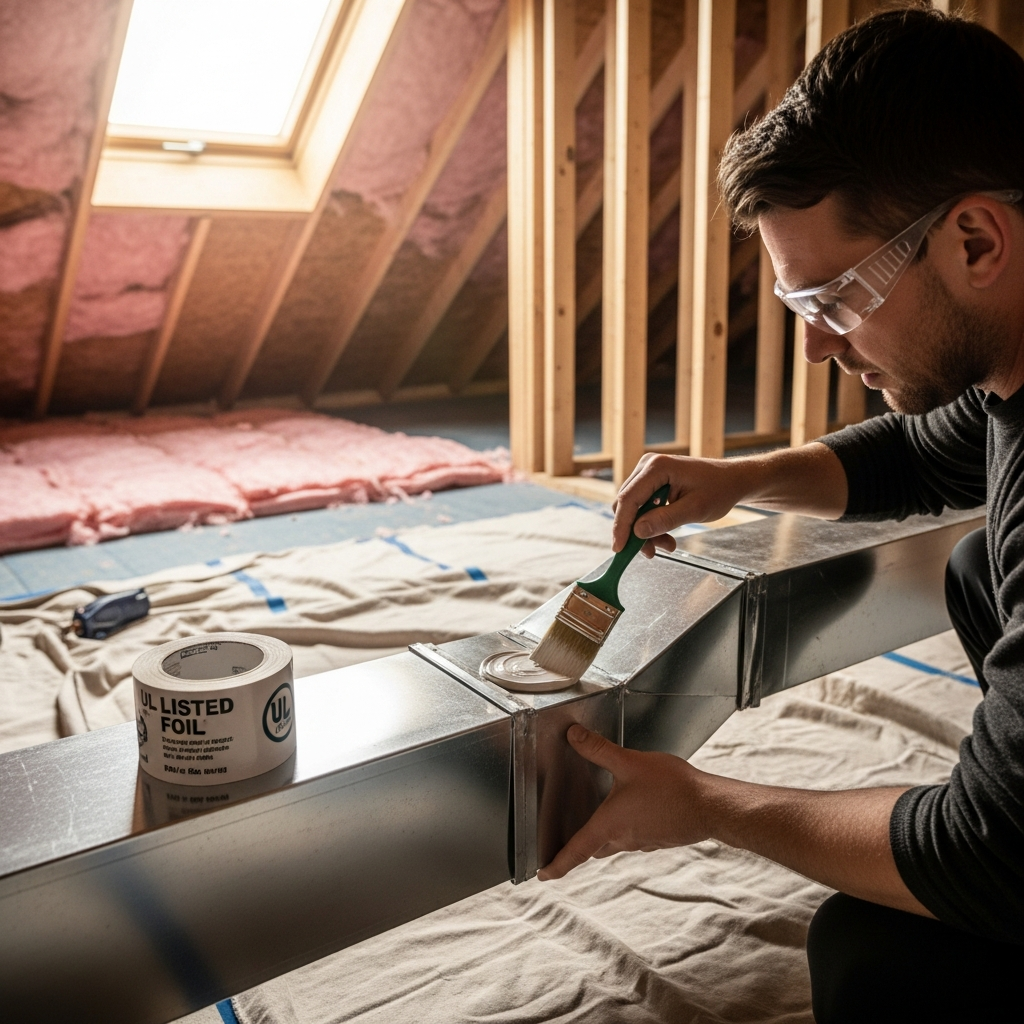
- Seal: Apply mastic sealant or UL-listed foil tapes to seams, boots, and transitions.
- Support: Add straps or racks to prevent sagging and kinks, especially on long flexible runs.
- Insulate: Restore or replace insulation on ducts in unconditioned spaces to prevent condensation and heat gain/loss.
- Verify: Recheck airflow at key registers and observe the system through a full cycle.
This method transforms a leaky, inefficient pathway into a sealed, reliable channel for conditioned air.
Where Leaks Hide in Elizabeth Homes
Certain zones are frequent offenders. In basements, returns near utility areas can pull dust and lint if seams are open. In attics, heat and storage can compress flexible ducts or dry aging tapes. Behind walls, older transitions might have gaps that were never sealed well. An experienced technician knows to examine boots where ducts meet floors or ceilings, elbows on tight turns, and takeoffs along the trunk line where vibration can loosen connections.
During repair, the team may also find missing or damaged insulation. Uninsulated metal can sweat in summer or bleed heat in winter. Addressing insulation alongside sealing is essential to maintaining a stable, comfortable environment in living spaces.
Why Mastic and Proper Tape Matter
Not all “duct tape” is created equal. Household duct tape often dries, peels, and fails under temperature swings. Professional-grade sealing relies on mastic formulated for duct applications and UL-listed foil tapes designed to maintain adhesion. Mastic can be brushed or troweled into seams, providing a durable, flexible barrier. Foil tapes with the right rating work well on clean, dry surfaces and are commonly paired with mechanical fastening for best results.
Using the correct materials reduces callbacks and gives you confidence that the fixes will last through Elizabeth’s seasonal extremes.
Sealing Strategies for Flexible vs. Metal Ducts
Flexible ducts need gentle, well-supported runs with wide arcs on turns and firm collars at connections. Metal ducts benefit from screws at joints and careful sealing of S-cleats, drive connections, and seams. Technicians adapt their approach to the material at hand, always securing mechanically first and then sealing. For flex runs, they often employ draw-bands at collars, followed by mastic and mesh if needed, then insulation and support straps spaced at proper intervals.
For metal trunks, screws and proper cleating ensure rigidity, while mastic seals the micro-gaps tapes alone might miss. The result is a quiet, stable pathway that resists vibration and air loss.
Comfort Improvements After Sealing
When leaks are closed, air stops escaping into attics and basements and starts reaching rooms as intended. You will likely notice stronger, more even airflow, steadier temperatures, and fewer hot or cold spots. In summer, sealed returns stop drawing humid air from unconditioned spaces, helping your system better manage moisture. Many homeowners also report a reduction in dust accumulation and startup odors as the duct system becomes a closed, controlled environment.
Planning the Work: Access, Priorities, and Timing
Because ducts weave through chases, basements, and attics, technicians plan around accessibility. They prioritize big wins first—obvious gaps, disconnected runs, or leaky boots—then refine with sealing along seams and small penetrations. Same day relief is common for several problem spots, while broader sealing of a complex network may take longer. The key is establishing an order that delivers immediate comfort while setting you up for long-term reliability.
Protection and Cleanliness During Sealing
Respect for your home is integral to professional work. Teams lay down covers, wear protective gear, and manage debris. If sections require opening for access, they do so carefully and explain how surfaces will be restored. A tidy finish matters not just for appearance but also for easier future inspections and maintenance.
Elizabeth’s Climate and Its Impact on Ducts
Attic temperatures can soar in summer, stressing plastics and adhesives. Winters can introduce dry air that challenges seals. Quality materials and solid mechanical fastening help your repairs withstand these swings. Insulation plays a vital role, too, buffering ducts from temperature extremes to prevent condensation and energy loss.
Homeowner Habits That Keep Leaks from Returning
Little routines make a big difference over time. Replace filters on schedule to reduce return-side stress. Keep storage away from duct runs in attics and basements to prevent compression. Periodically check visible supports and straps. If you hear a new whistle or notice a room slipping out of balance, call early and address the change before it grows into a bigger problem.
Frequently Asked Questions
How do I know if I have duct leaks? Common signs include uneven room temperatures, whistling sounds, visible gaps at joints, dust collecting near registers, and weak airflow at distant vents. A professional inspection confirms the source.
Will sealing really make a difference in comfort? Yes. By channeling air to its intended destinations, sealing improves delivery, stabilizes temperatures, and often reduces noise and dust.
Is mastic messy or invasive? Mastic is applied carefully and allowed to cure. Technicians protect nearby surfaces and clean up after application. The process is focused and typically not disruptive.
Do I need to replace flex duct that is sagging? Not always. Proper supports and gentle straightening can restore performance. Severely damaged or crushed sections may need replacement.
Can leaks cause odors? Leaks on the return side can pull musty or dusty air from basements, crawlspaces, or attics, leading to smells at startup. Sealing those paths often helps.
How long do repairs last? With correct materials, mechanical fastening, and proper insulation, well-executed sealing holds up through seasonal changes and regular operation.
Simple Checklist Before Your Appointment
- Clear access to basements, attics, and mechanical closets.
- List rooms with the biggest comfort swings or airflow issues.
- Replace overdue filters and make sure registers are open.
- Secure pets and plan for brief testing noise during verification.
- Ask for photo documentation of leaks found and repairs completed.
These steps help your technicians work efficiently and deliver durable results.
Make Your Elizabeth Home Airtight and Comfortable
If you are noticing persistent hot or cold spots, unusual noises, or dust settling quickly after cleaning, it is time to take action. A thorough inspection followed by targeted sealing can transform your daily comfort. For a dependable outcome and a team that explains each step, reach out for professional air duct repair and sealing services. With the right materials and methods, your ducts become a strong, silent partner in a healthier, more comfortable home.
