Why Your HVAC Fan Blows Dusty Air (And What Westfield Homeowners Can Do About It)
That first blast of air when you flip on the AC or heat in Westfield, NJ, should feel refreshing. Instead, it smells stale, kicks up visible dust, or leaves a film on nearby surfaces. This is one of the most common complaints homeowners share with AMG Duct Cleaning, and it almost always points to the same root cause: accumulated debris inside the duct system. Here is what is actually happening inside your vents, why it gets worse over time, and how professional air duct cleaning in NJ resolves it.
What Is Actually Inside Your Ductwork?
The Layers That Build Up Over Years
Your duct system is essentially a closed highway for air. Every cubic foot of air that passes through it carries microscopic particles, and a fraction of those particles settle on interior duct walls, the blower wheel, and the evaporator coil housing. Over months and years, those thin deposits become substantial layers.
What accumulates depends on the home. Pet dander, construction debris from a recent renovation, fiberglass particles from degrading duct liner, pollen tracked in from outside, and ordinary household dust all end up inside the system. The supply ducts, which push conditioned air into rooms, and the return ducts, which pull room air back to the air handler, both collect material at different rates. Return ducts tend to accumulate faster because they are pulling air from living spaces rather than from a relatively sealed plenum.
Why the Blower Fan Makes It Worse at Startup
When the system sits idle, settled dust stays put. The moment the blower motor kicks on, it creates a pressure wave that dislodges loosely settled particles from duct walls and the fan housing itself. That is the dusty burst you notice in the first few seconds after startup. It is not random; it is physics. The faster the fan accelerates, the more material it can mobilize.
Variable-speed systems can mask this slightly because they ramp up gradually, but they do not eliminate the problem. The debris is still there; it just gets distributed more slowly.
The Role of the Air Filter (and Its Limits)
A standard 1-inch pleated filter catches a meaningful percentage of airborne particles, but it has two important limitations. First, it only filters air that flows through it. Any debris that has already settled inside the ductwork is upstream or downstream of the filter and bypasses it entirely. Second, a clogged filter reduces airflow, which causes the blower to work harder and can actually pull more material off duct walls due to turbulence. Changing your filter on schedule, typically every one to three months depending on the MERV rating and household conditions, is essential maintenance. It just is not a substitute for cleaning the ducts themselves.
Signs Your Ducts Are the Source of the Problem
Visual Clues Around Vents and Registers
Pull a supply register off the wall and shine a flashlight inside. If you see a visible layer of grey or brown material coating the inner walls of the duct within the first foot, that is a reliable indicator of broader accumulation throughout the system. Dark streaking on the wall or ceiling around a supply register, sometimes called ghosting, is another tell. It forms when air velocity pushes fine particles through the grille and deposits them on painted surfaces.
Check the return air grille too. A heavily clogged return grille, coated in thick grey fuzz, means the filter upstream is not doing its job, or the filter has been bypassed at some point and debris has entered the air handler directly.
Odors That Come and Go With the System
Musty, stale, or dusty odors that appear only when the HVAC is running and disappear when it is off are classic duct-related symptoms. The smell is the organic material, dust mite waste, and accumulated debris being volatilized by moving air and heat. It is not a sign that the air is necessarily dangerous, but it is a sign the system needs attention.
A burning smell on the very first heat cycle of the season is common and often just surface dust on the heat exchanger burning off. If it persists past the first few minutes or returns regularly, that warrants a closer look at the duct system and the unit itself.
Uneven Dust Accumulation Room to Room
If one room accumulates dust noticeably faster than others, check whether the supply duct serving that room has a partial blockage or is heavily coated. A partially obstructed duct can create turbulence that deposits more material in a specific zone. This is also worth noting if you have had recent construction or remodeling work; drywall dust is extremely fine and spreads through the entire duct system quickly if the HVAC was running during the project.
Most Homeowners Underestimate How Long It Has Been
The Typical Cleaning Interval in NJ Homes
Most HVAC manufacturers and industry organizations suggest having ductwork inspected and cleaned every three to five years under normal residential conditions. Homes with pets, smokers, recent construction, or occupants with heightened sensitivity to airborne particles may benefit from more frequent service. Many homeowners in the Westfield area have never had their ducts cleaned at all, particularly in older homes where the original ductwork has been in place for decades.
That does not mean every home needs cleaning on a fixed schedule regardless of condition. A visual inspection is the honest starting point. AMG Duct Cleaning offers free estimates, which means a technician can assess the actual state of your system before any work is recommended.
What Changes After a Professional Cleaning
A thorough duct cleaning involves more than running a brush through a few registers. The process typically includes accessing the main trunk lines, using high-powered negative pressure equipment to capture dislodged debris rather than redistribute it, cleaning the supply and return sides separately, and inspecting the air handler components including the blower wheel and evaporator coil housing. When done correctly, the difference is measurable in airflow and noticeable in air quality.
Homeowners often report that the air simply feels less heavy after a proper cleaning. That first burst of air at startup no longer carries that stale, dusty character. It is a straightforward outcome of removing the material that was causing it.
When Duct Repair Is Also Needed
Cleaning reveals problems that are otherwise invisible. Disconnected duct sections, collapsed flexible duct, or gaps at joints allow unconditioned air, and whatever is in the surrounding space, to enter the system. In crawl spaces and attics, that can mean pulling in insulation particles, rodent debris, or humid outdoor air. If an inspection uncovers these issues, air duct repair addresses them before they undo the benefits of a cleaning.
Comparing the Most Common DIY Fixes to Professional Service
| Approach | What It Does | What It Misses |
|---|---|---|
| Changing the air filter | Catches new incoming particles; protects the blower | Does nothing for debris already inside ducts or on the blower wheel |
| Vacuuming visible registers | Removes surface dust at the grille | Cannot reach duct walls, trunk lines, or air handler components |
| Running the fan on continuous mode | Keeps air circulating through the filter | Can actually dislodge more settled debris without capturing it |
| Professional duct cleaning | Removes accumulated debris from the full duct system using negative pressure equipment | Requires scheduling; not a substitute for regular filter changes |
If you want it handled correctly the first time, consider professional air duct cleaning in Westfield.
The table above is not an argument against filter changes or basic maintenance. Those are genuinely important. The point is that each approach addresses a different part of the problem, and none of the DIY options reach the interior duct surfaces where the dusty-startup problem originates.
The Westfield, NJ Context: Why Local Conditions Matter
Seasonal Patterns That Load Up Duct Systems
New Jersey homes run their HVAC systems hard. Hot, humid summers mean the AC runs for months, pulling air through the system continuously. Cold winters mean the heat runs just as hard. That seasonal cycling, with the system sitting idle during mild spring and fall periods, is exactly when dust settles and then gets mobilized at the next startup. Westfield’s mix of older housing stock and tree-lined neighborhoods also means pollen loads are high in spring, and homes that open windows during shoulder seasons can introduce significant organic material into the return air stream.
Older Homes and Original Ductwork
Many homes in Westfield were built in the mid-twentieth century. Original ductwork from that era is often sheet metal with internal fiberglass liner that degrades over time. As the liner breaks down, it can shed particles into the airstream. It can also harbor moisture if the system has had any condensation issues, creating conditions where biological growth becomes a concern. These homes benefit most from a thorough inspection alongside any cleaning work.
Post-Renovation Situations
Westfield sees a steady volume of kitchen and bathroom renovations, additions, and full gut-renovations. Any construction project that runs while the HVAC system is operating, or even while it is off but the return vents are open, introduces fine particulate into the duct system. Drywall compound, wood dust, and insulation fibers are all common post-renovation contaminants. Scheduling a duct cleaning after major construction is one of the most practical steps a homeowner can take before moving back in or resuming normal use of the space.
What to Expect From AMG Duct Cleaning’s Process
The Inspection and Free Estimate
AMG Duct Cleaning serves Westfield, NJ and the surrounding Union County area. The process starts with a free estimate, which means a technician assesses the actual condition of your system rather than quoting a flat rate sight unseen. That inspection matters because the scope of work varies considerably between a three-bedroom home with original 1960s ductwork and a newer construction home with a single-zone system that has never been cleaned.
The Cleaning Process Itself
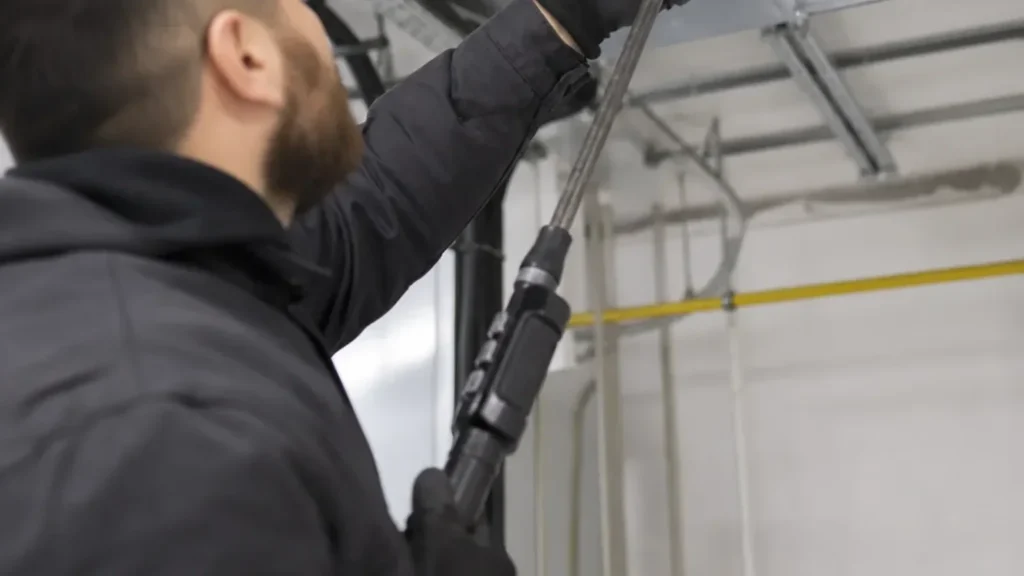
The technician connects high-powered negative pressure equipment to the main trunk line, creating suction throughout the system. Agitation tools, including rotary brushes and compressed air whips, dislodge material from duct walls and drive it toward the collection equipment rather than back into the living space. Supply and return sides are worked separately to ensure thorough coverage. The blower compartment and accessible air handler components are also addressed, because a clean duct connected to a dusty blower wheel will start accumulating debris again quickly.
The whole process for a typical residential system takes a few hours. You do not need to vacate the home, though keeping pets and young children away from the work area during the process is a reasonable precaution.
After the Service: What to Do Next
Install a fresh filter immediately after the cleaning is complete. This is the right moment to evaluate whether you want to step up to a higher MERV rating, though check with the technician first. Some HVAC systems are not designed for the higher static pressure that very dense filters create, and forcing the blower to work harder can shorten its lifespan. A MERV 8 to 11 filter is a reasonable range for most residential systems and catches the particle sizes that matter most without restricting airflow.
Mark the date and set a reminder to inspect the system again in two to three years. One cleaning does not mean the ducts are clean forever. Regular maintenance, including filter changes and periodic professional inspection, keeps the system performing the way it should.
FAQs About Dusty HVAC Air and Duct Cleaning in NJ
How do I know if my ducts need cleaning or if it is just a dirty filter?
Replace the filter first. If the dusty startup smell and visible particles persist after running the system for a few days with a fresh filter, the debris is inside the ductwork itself. A visual inspection of the duct interior near a register will usually confirm it.
Can duct cleaning make allergies or dust sensitivity worse temporarily?
During the cleaning process, some disturbance of settled material is unavoidable. Professional equipment uses negative pressure to capture that material rather than release it into the home, which minimizes exposure. It is reasonable to run the HVAC with the fresh filter for a few hours after the service to clear any residual fine particles before spending extended time in the cleaned rooms.
How long does a professional duct cleaning take for a typical Westfield home?
Most single-family residential systems take two to four hours, depending on the number of supply and return vents, the length of the duct runs, and the condition of the system. Larger homes or systems with significant buildup may take longer.
Does duct cleaning also cover the dryer vent?
Dryer vent cleaning is a separate service with its own process and equipment. AMG Duct Cleaning offers both, and many homeowners schedule them together since the technician is already on-site. A clogged dryer vent is a fire hazard and also a separate issue from the HVAC duct system.
Is there anything I should do to prepare before the technician arrives?
Clear a path to your air handler, furnace, and any registers that are behind furniture. Make sure the technician has access to the attic or crawl space if your duct runs go through those areas. That is about all the preparation most homeowners need to do.
How often should NJ homeowners schedule duct cleaning?
Every three to five years is a reasonable baseline for most homes. More frequent service makes sense after construction work, if you have multiple pets, or if an inspection reveals significant buildup before that interval is up. Less frequent service may be appropriate for newer homes with clean systems and no pets or construction history.
Conclusion
Dusty air at HVAC startup is not a mystery. It is accumulated debris in the duct system being mobilized by the blower, and it does not resolve on its own. If your Westfield home has that familiar stale burst when the system kicks on, the ductwork is the place to look. AMG Duct Cleaning provides free estimates so you know exactly what you are dealing with before any work begins. Schedule your air duct cleaning today and find out what a clean system actually feels like.
