6 Key Differences Between Dryer Vent and Air Duct Cleaning in Westfield
Skip either service long enough and the consequences show up quietly: a dryer that takes two cycles to finish a load, or a living room that smells faintly musty every time the heat kicks on. Westfield homes, many of them colonial and split-level builds from the 1950s through the 1980s, often run both systems hard through our humid summers and cold winters. Understanding which system needs attention, and why, helps you act before a minor buildup becomes a real problem.
1. The Systems Serve Completely Different Purposes
Your dryer vent is a single-purpose exhaust line. It moves hot, moisture-laden air and lint from the dryer drum to the outside of your home. Your HVAC ductwork is a circulation network, pulling return air from every room, conditioning it, and pushing it back through supply registers. One removes waste; the other recirculates what your family breathes. Confusing the two leads homeowners to treat the wrong system when symptoms appear.
2. The Equipment Used Is Not Interchangeable
Dryer vent cleaning uses a rotary brush system sized for a single, relatively short exhaust run, typically four to six inches in diameter. Air duct cleaning requires truck-mounted or high-capacity portable vacuums that create strong negative pressure across an entire duct network, combined with agitation tools designed for larger rectangular or round supply and return trunks. A technician who shows up with only one set of equipment cannot properly service both systems in the same visit without the right tools for each.
If you want it handled correctly the first time, consider professional air duct cleaning in Westfield.
3. What Builds Up Inside Each System Is Different
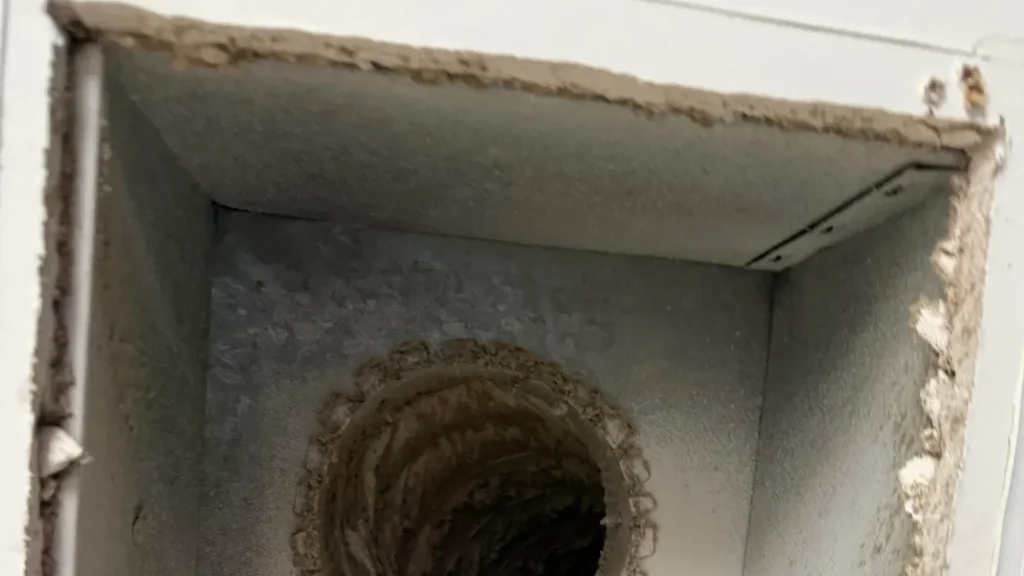
Dryer vents accumulate lint, the fine fiber shed from fabrics during drying. That lint is combustible, which is why the National Fire Protection Association consistently lists clogged dryer vents among the leading causes of home laundry fires. HVAC ducts collect a different mix: dust, pet dander, pollen, mold spores, and in older Westfield homes with original ductwork, sometimes fine debris from deteriorating duct liner or insulation. The health and safety risks are real in both cases, but they are distinct in nature.
4. Warning Signs Point to Different Systems
Dryer vent problems show up as longer drying times, a dryer exterior that feels unusually hot to the touch, a burning or musty smell near the laundry room, or visible lint around the exterior vent cap. HVAC duct issues tend to show up as uneven room temperatures, visible dust settling quickly on surfaces after cleaning, or that familiar musty odor coming from basement vents when the system first starts up in spring. Tracking where the symptom originates helps you call the right service.
5. Westfield’s Housing Stock Creates Specific Challenges for Both
Many Westfield homeowners rely on expert air duct cleaning in Westfield for exactly this.
A large share of Westfield’s residential housing was built before 1980, which means many homes have dryer vent runs that were routed through finished walls or attic spaces during original construction, sometimes with more bends than current best practices allow. Those longer, angled runs trap lint faster. On the HVAC side, older galvanized steel ductwork common in mid-century colonials can accumulate years of dust in joints and plenums that were never designed for easy access. Homes that have had additions or renovations may also have mixed duct materials, which affects how a cleaning crew approaches the job. If you are unsure what your system looks like, checking the signs that your ducts need professional attention is a practical first step before scheduling anything.
6. How Often Each System Needs Service Differs
Most dryer vent cleaning guidelines recommend annual service for a household with regular laundry use, and more frequently if you have a large family, pets, or a long vent run. Air duct cleaning intervals are less prescriptive: the EPA and NADCA both suggest cleaning when there is visible mold growth, verifiable pest activity, or noticeable dust discharge, or after renovation work that generated significant debris. For a typical Westfield home without those triggers, a thorough professional air duct cleaning every three to five years is a reasonable baseline, though households with allergy sufferers or pets often benefit from more frequent service. For guidance on maintaining results between visits, see post-cleaning maintenance tips for Westfield homeowners.
Frequently Asked Questions
Ready for the next step? Learn how air duct cleaning services in Westfield can help and reach out to the team.
Can a technician clean both the dryer vent and air ducts in the same appointment?
Yes, many duct cleaning companies offer both services, and scheduling them together is convenient. Just confirm in advance that the technician carries the correct equipment for each system, since the tools required are different and not every crew arrives prepared for both in a single visit.
Does dryer vent cleaning improve indoor air quality the way duct cleaning does?
Not in the same way. Dryer vent cleaning primarily addresses a fire and efficiency risk by removing lint from an exhaust line. Air duct cleaning targets the recirculated air your HVAC system distributes through your living spaces, which has a more direct effect on what your household breathes day to day.
How do I know which service to schedule first?
Follow the symptoms. If your dryer is running long or the laundry area smells burnt or damp, start with the dryer vent. If you notice dust at registers, uneven heating and cooling, or a musty smell when the HVAC runs, the duct system is the more pressing concern.
Both services protect your home in different ways, and neither replaces the other. If you are ready to figure out which system needs attention first, schedule a duct cleaning evaluation with AMG Duct Cleaning.
