Introduction
Basic air duct repairs can make a meaningful difference in comfort and air quality when approached carefully and safely. In Elizabeth, New Jersey, where busy seasons keep HVAC systems running hard, even small fixes—like resealing a loose joint you can easily access—can help stabilize airflow and reduce dust migration. This step-by-step safety guide is designed for simple, low-risk tasks homeowners can handle, while also explaining when to pause and call a professional. To frame your expectations and understand what comprehensive solutions look like, you can also review established air duct repair resources as a reference for best practices.
Before you begin, remember that safety and scope matter. The advice here focuses on visible, accessible issues, not concealed duct runs, major reconfigurations, or work near energized equipment. When in doubt—or if you encounter odors, extensive damage, or signs of microbial growth—stop and consult a licensed technician.
Safety First: Prepare the Space and Yourself
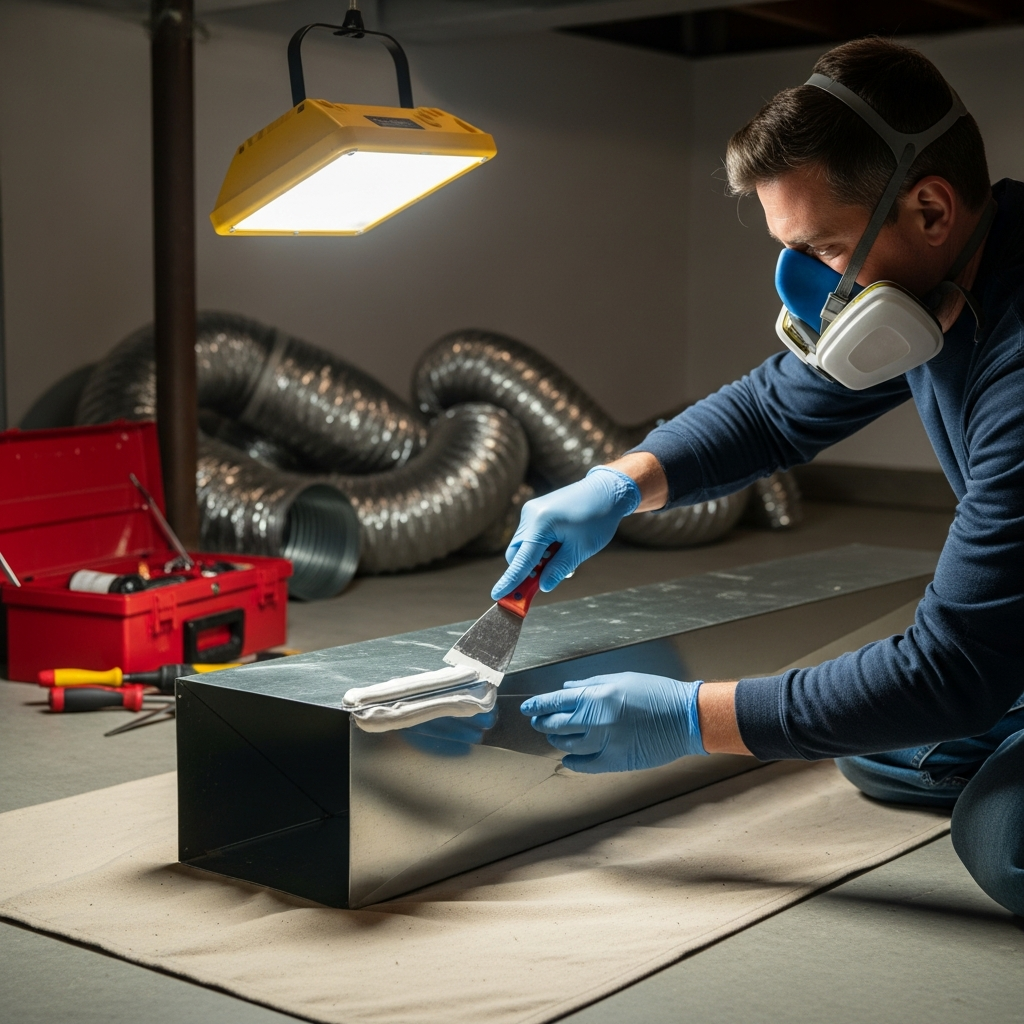
Preparation prevents accidents and protects indoor air. Turn off your HVAC system at the thermostat before working near registers, returns, or air handlers. If you will be opening an access panel on the air handler, switch power off at the breaker to avoid any risk. Wear gloves, safety glasses, and a dust mask or respirator suitable for nuisance dust. In older homes, expect tight spaces and potentially brittle materials; move slowly to avoid tearing flexible ducts or dislodging insulation.
Clear a path to the work area, lay down a drop cloth, and have a trash bag ready for debris. Keep pets and children away from the workspace. Having good lighting—headlamps or portable work lights—reduces mistakes and strain.
Identify Simple, Accessible Problems
Focus on what you can see safely: loose or separated joints near supply boots, gaps where ducts meet registers, missing or deteriorated mastic around seams, or sagging flexible duct that is supported by worn straps. Return plenums and the area immediately around the air handler are common spots for air leaks on the return side. Look for dust streaks radiating from seams—this often signals air movement through a gap.
Avoid opening walls or ceilings without a plan, and do not attempt to reconfigure trunk lines. If you see crushed or torn flexible duct beyond a short accessible segment, or evidence of pests, stop and schedule a professional inspection.
Materials and Tools for Basic Repairs
For small sealing tasks, mastic sealant rated for HVAC use is a reliable, long-lasting choice. A putty knife or gloved hand helps spread it evenly. Foil-backed HVAC tape with appropriate temperature ratings can complement mastic on clean, dry surfaces, but avoid cloth-backed “duct tape,” which does not hold up in HVAC environments. You may also need sheet metal screws for securing loose collars, proper straps to support flexible ducts, a utility knife for trimming damaged ends, and a marker to note before-and-after locations.
Have rags and a mild cleaner on hand to wipe dust from surfaces before sealing. Clean, dry metal or plastic adheres significantly better, making your repairs more durable.
Step-by-Step: Sealing a Visible Joint
1) Turn off the HVAC system. 2) Clean the area around the joint with a rag so the sealant bonds. 3) If the joint is separated, gently realign the pieces; use sheet metal screws to secure where appropriate. 4) Apply mastic generously around the seam, pressing it into gaps and smoothing edges. 5) Allow it to set according to the product instructions before restarting the system. This small fix can eliminate whistling, reduce dust draw, and help balance airflow to nearby rooms.
If you apply foil-backed HVAC tape, press firmly along the length to remove air pockets, and seal tape edges with a light coat of mastic for added durability. Recheck the area in a day or two for any signs of lifting.
Supporting a Sagging Flexible Duct
Flexible duct that sags can restrict airflow and stress connections. If you can safely access a short run, add or adjust supports. Use proper strapping at intervals that keep the duct round and gently sloped in the direction of airflow. Avoid sharp bends and kinks. If the duct end is crushed at a collar, you may be able to loosen the clamp, round the duct, and re-secure it—then seal with mastic at the joint. If the liner or outer jacket is torn beyond an inch or two, stop and consult a professional to avoid contamination or performance loss.
While working, avoid over-tightening supports, which can pinch the duct and reduce diameter. Gentle, consistent support is the goal.
Sealing Around Registers and Boots
At room registers, remove the grille to inspect where the boot meets the drywall or floor opening. Gaps here allow conditioned air to escape into wall or floor cavities. Use mastic or an appropriate sealant to close visible gaps, taking care not to block the airway. Reinstall the grille and verify that the register damper moves freely. This simple step enhances delivery to the room and can reduce drafts around the opening.
Do not use expanding foam in tight boot spaces unless you are certain it will not interfere with moving parts or future service. Mastic remains the safer, service-friendly choice for small gaps.
Return-Side Attention
The return side of the system often drives dust and odors when leaks are present. Inspect the area where the return duct connects to the air handler or furnace. Look for visible gaps, loose panels, or deteriorated seals. With power off, reseat panels properly and seal edges where allowed. Make sure the filter slot closes snugly; if there is a gap around a slide-in filter, use a removable, serviceable gasket approach rather than permanent sealants to maintain access.
If you suspect the return is drawing air from a basement or wall cavity through unseen openings, call a professional for diagnostics rather than guessing. Return issues can masquerade as general dust problems.
When to Stop and Call a Professional
Pause your DIY efforts if you encounter persistent odors from vents, visible microbial growth, heavily damaged or collapsed duct sections, wiring issues, or if any part of the repair requires opening finished walls or ceilings. Also stop if you cannot safely access the area without risk of falls or exposure to hazardous materials. Professional teams have instruments and methods to diagnose and resolve complex issues with minimal disruption.
In Elizabeth’s varied housing stock, concealed ducts, tight chases, and mixed materials are common. Recognizing limits is part of safe, successful homeownership.
Verifying Your Basic Repairs
After mastic cures and supports are adjusted, turn the system back on and listen. Has the whistling stopped? Do adjacent rooms feel more consistent? Place your hand near the repaired joint to sense escaping air; ideally, you will feel little to none. Over the next day or two, observe comfort, airflow, and dust levels. Take pictures of your work and note the date to help with future maintenance or discussions with a technician.
If symptoms persist, it is a sign that deeper issues remain—possibly in areas you cannot see. This is the point to transition from DIY to professional help.
Working With Pros: What to Expect
When your needs go beyond basic repairs, a professional evaluation brings diagnostics you cannot replicate with the naked eye. Expect static pressure measurements, camera scopes, and targeted smoke testing to pinpoint hidden leaks. Pros may recommend reconfigurations to improve return paths or add balancing for even distribution. They will also provide documentation of what was found and how it was corrected, giving you confidence that results are real and durable.
Midway through this decision, it helps to compare how established providers approach air duct repair services so you can ask informed questions and align expectations with best practices.
Maintenance Habits That Protect Your Work
Support your repairs with regular filter changes or cleaning per manufacturer guidelines, and keep registers unblocked by furniture or rugs. If you store items in basements or attics with visible duct runs, avoid resting objects on top of ducts or hangers. After any renovation, schedule a quick duct check to ensure trades did not disturb connections. Seasonal walkthroughs to re-inspect your earlier repairs help you catch small changes before they become noticeable problems.
Documenting your observations—dates, symptoms, and photos—builds a clear history that a technician can use if professional service becomes necessary.
Frequently Asked Questions
Q: Is it safe to seal ducts while the system is running? A: No. Turn the system off to prevent debris from traveling through the duct system and to protect yourself while working near moving parts.
Q: Can I use standard duct tape? A: Avoid it for long-term fixes. HVAC-rated foil tapes and mastic are designed for the temperatures and conditions ducts experience.
Q: How do I know if the problem is beyond DIY? A: If you cannot access the area safely, if damage is extensive, or if comfort issues persist after basic fixes, call a professional for diagnostic testing and a tailored plan.
Q: Will basic sealing improve indoor air quality? A: Often, yes—especially on the return side, where leaks can pull dust and odors from unintended spaces. Proper sealing can noticeably freshen air.
Q: Are there risks to over-sealing? A: Sealing leaks is good, but do not block intentional ventilation or equipment service panels. When in doubt, consult a pro to balance airflow and safety.
From DIY Wins to Long-Term Stability
Smart, safe basic repairs can deliver comfort gains and set the stage for professional work when needed. By knowing your limits and focusing on accessible fixes, you protect your home and your HVAC system. If you are ready to elevate results with data-driven diagnostics and verified outcomes, partnering with a trusted local expert is the logical next step.
Restore Comfort With Help You Can Trust
When you want dependable improvements—steady temperatures, quieter vents, and cleaner airflow—schedule an expert evaluation in Elizabeth, NJ. Review reputable air duct repair solutions and book a convenient visit to turn small fixes into lasting performance gains throughout your home.
