Introduction
Choosing the right company to restore your home’s air ducts is about more than convenience—it is about the safety, health, and comfort of everyone inside your property. If you live in Elizabeth, New Jersey, you already know how quickly seasons shift and how hard your HVAC system must work to keep indoor air comfortable. That is why picking a trustworthy partner for air duct repairs should be approached with care and detail. In this guide, you will learn how to evaluate companies, spot red flags, understand essential credentials, and align your expectations with the realities of modern duct restoration work. Early on in your search, you can also compare what reputable providers offer by browsing dedicated air duct repair resources to frame the questions you will ask during consultations.
Elizabeth’s mix of historic homes, multifamily buildings, and newer developments means duct systems vary widely in age, material, and accessibility. A good company must be able to diagnose issues in older sheet-metal trunks, flexible duct runs in attics or crawlspaces, and hybrid systems that include both. Because air leakage, detaching connections, crushed runs, and microbial growth affect energy efficiency and indoor air quality, the stakes are high. By the end of this article, you will have a clear checklist to screen providers and a practical process for making a confident decision.
Start With Local Experience and Proven Methodology
In a coastal state climate, humidity, pollen, and seasonal temperature swings stress ductwork. A qualified company will have specific, local case studies that show how they handled common Elizabeth-area challenges, such as ducts routed through tight basements, townhome soffits, or shared utility chases in multifamily properties. Ask for examples that mirror your home’s layout, age, and materials. The contractor’s methodology should include a structured inspection, a documented repair plan, and post-repair verification. If they cannot describe their process step by step, keep looking.
Local experience also means familiarity with municipal permitting where applicable, knowledge of typical building practices for different construction eras, and an understanding of how homes in Elizabeth balance ventilation with energy savings. This contextual expertise can speed diagnosis and lead to more durable fixes.
Credentials That Matter
Licensing, insurance, and training form the non-negotiable baseline. A legitimate provider will carry proper state licensing for HVAC or mechanical work, plus active liability insurance. They should be comfortable providing proof of coverage and license numbers before they set foot in your home. Formal training, whether through manufacturer programs, national certification bodies, or intensive in-house apprenticeships, signals a culture of quality and safety. While certificates alone do not guarantee great work, they reflect investment in repeatable standards and ongoing education.
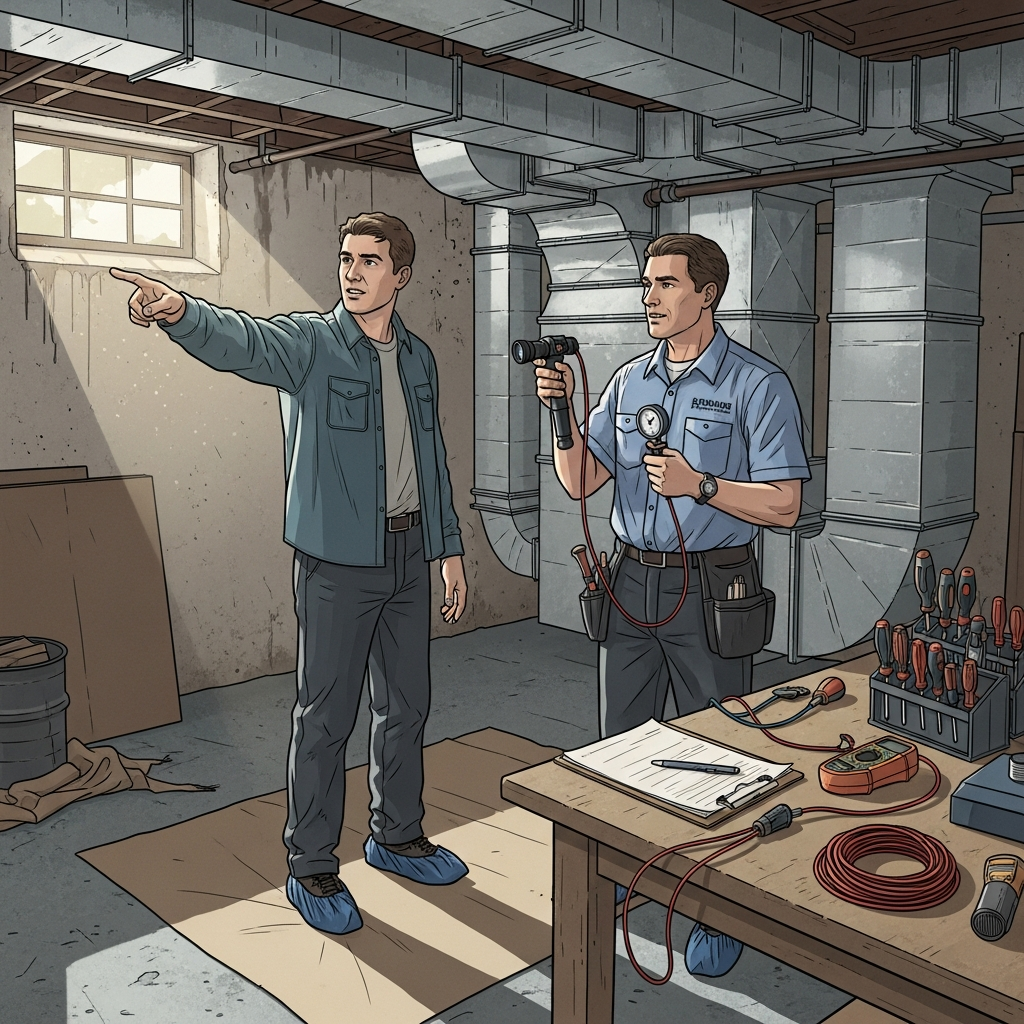
Equally important is proficiency with diagnostic tools. Look for evidence that technicians use manometers for static pressure readings, thermal cameras to identify temperature anomalies, borescopes for interior duct inspection, and smoke pencils or fog machines for leakage tracing. Skilled use of these tools supports accurate findings and focused repairs instead of guesswork.
Transparency in Assessment and Reporting
Trustworthy companies demystify what they see. After an inspection, you should receive a clearly written report with photos, measured data where applicable, and prioritized recommendations. The report should explain root causes, not just symptoms. For example, rather than merely noting “low airflow to second floor,” a careful company will document that a main trunk fitting is partially collapsed behind a knee wall, or that a return run is undersized, creating pressure imbalances.
Transparency also covers repair options. If more than one viable path exists—say, resealing versus reconfiguring a branch line—you should be guided through pros and cons, timelines, and expected outcomes, without being pressured toward upsells you do not need. A strong provider stands behind their plan and invites your questions.
Communication and Professionalism
Professionalism shows up in small details: showing up on time, wearing protective shoe covers, using drop cloths, and keeping the jobsite orderly. Communication should be proactive and plain-spoken. When technicians explain findings in simple language and relate them to comfort, energy, and air quality, you know they respect your time and intelligence. Ask how the company communicates schedule updates, how they handle unexpected findings, and who your point of contact will be from start to finish.
You can learn a lot from how a company handles your initial call or message. Did they ask diagnostic questions? Were they willing to look at photos you sent? Did they provide an outline of their inspection process? These early signals often predict the on-site experience.
Comparing Repair Approaches
Air duct systems may suffer from leaks at seams, disconnected joints, failed tape, punctures in flexible duct, or sagging that constricts airflow. Reputable contractors have multiple techniques to address these issues, from mastic sealing and mechanical fasteners to strategic rerouting for better performance. In some cases, a section of duct must be replaced entirely. Be wary of one-size-fits-all approaches, especially those that promise quick fixes without diagnostics or that rely solely on materials like standard duct tape, which are not durable in HVAC settings.
Another essential factor is how the company verifies results. Balancing dampers, re-measuring static pressure, and confirming room-by-room airflow after repairs demonstrate accountability. Without verification, you cannot be sure the fixes worked as intended.
Evidence of Safety and Cleanliness Protocols
Because repairs can disturb settled dust, insulation, or microbial contaminants, technicians should follow containment and cleanup practices. Look for HEPA-rated vacuums, sealed waste disposal bags, and careful handling of insulating materials. Ask how they prevent debris from entering living areas and how they protect air handlers while ducts are open. Companies that value cleanliness protect both your home and your health.
Safety extends to ladder use, electrical lockout/tagout when working near air handlers, and personal protective equipment. When a provider clearly articulates their safety steps, you are more likely to have a smooth, incident-free project.
References, Reviews, and Real-World Outcomes
Online reviews can be helpful, but direct references are even better. Ask for recent customers in Elizabeth with similar homes. When you call, focus on outcomes: Did comfort improve? Did rooms reach set temperatures more evenly? Did dust levels drop? How was the scheduling and communication? Would they hire the same company again? Specific, experience-based feedback carries far more weight than generic star ratings.
It is also helpful to ask how the company handles callbacks or adjustments. The best providers are responsive if fine-tuning is necessary after initial repairs, viewing it as part of the process rather than a nuisance.
Warranties and Service Guarantees
While you are not seeking prices, you should absolutely ask about warranties and assurances. For duct repairs, this may include workmanship guarantees, warranties on materials like mastic or fasteners, and timeframes for post-repair performance checks. A company that offers clear, written guarantees is signaling confidence in their techniques and commitment to long-term results.
Confirm how to initiate a warranty claim and what documentation you will receive when work is completed. Organized paperwork is a sign of an organized business.
What To Ask During Consultations
Prepare a list of targeted questions. Ask how the company determines whether leaks are in accessible or concealed areas. Inquire about their approach to returns, which are often the hidden culprit behind noise and dust issues. Request details on how they will protect your home during the work, and how they will confirm the repair actually solved the problem. If your home has hot or cold spots, describe them and ask for a diagnostic hypothesis you can test against the final report.
Do not hesitate to ask for before-and-after measurements. Having numbers—static pressure, temperature differentials, or airflow readings—grounds the conversation in objective results.
Technology, Tools, and Materials
Quality repair jobs rely on durable materials and the right tools. Mastic sealant remains a gold standard for long-lasting sealing, while foil-backed tapes rated for HVAC use can help in specific joints. Mechanical fasteners, proper strapping for flexible ducts, and insulated sleeves aligned with local code elevate the durability of the work. On the diagnostic side, thermal imaging, pressure gauges, and camera scopes all help target issues without unnecessary demolition.
In the middle of your evaluation process, take time to compare how different companies present and apply these tools. Reviewing their approach to air duct repair services can reveal who is thorough versus who relies on guesswork or generic recommendations. The more precise their data and the clearer their explanations, the more likely you are to receive a lasting solution.
Scheduling, Access, and Logistics
Repair work must fit your schedule and your home’s constraints. Discuss access points—attic hatches, crawlspaces, or tight basements—and confirm that the crew is equipped to work safely in those areas. If you live in a multifamily building in Elizabeth, clarify building policies for contractor access, permitted work hours, and elevator or stairwell usage. Clear logistics planning avoids delays and frustration.
Ask how long the typical repair phase lasts and what, if anything, you should do to prepare. Moving stored items, securing pets, and clarifying thermostat control during testing can all streamline the visit.
Energy, Comfort, and Indoor Air Quality Outcomes
Beyond stopping air leaks, the best repairs recalibrate the system so rooms reach target temperatures with less noise and fewer drafts. Balanced airflow often reduces dust migration, and a properly sealed return side will decrease the risk of drawing air from dirty cavities. These comfort and air quality gains can be substantial, especially in older homes that have accumulated duct flaws over the years.
When you interview companies, ask them to connect their repair plan to tangible outcomes you will feel: more even temperatures, quieter operation, fewer odors, and cleaner vents. If they cannot explain the “why” behind each step, you may not be dealing with a true problem-solver.
Red Flags and How to Avoid Them
Watch for contractors who diagnose by sight alone without instruments, who dismiss the need for returns, or who push unnecessary system replacements. Be cautious when a provider refuses to put recommendations in writing or cannot articulate what success looks like. Another warning sign is reluctance to discuss building science basics—pressure, airflow, and duct sizing—because durable fixes usually involve those fundamentals.
Conversely, a strong provider welcomes scrutiny. They will encourage you to keep records, ask questions, and compare options. Confidence and transparency usually go hand in hand.
Building a Simple Selection Checklist
To make your final choice, consolidate what you learned into a short checklist: local experience with homes like yours; licensure and insurance; clear inspection and reporting; tool-supported diagnostics; cleanliness and safety protocols; strong references; written guarantees; and a plan linked to performance outcomes. Rate each company you interview against these points. The winner should stand out because they communicate well, tailor their approach, and show measurable accountability.
Once you choose, document scope, schedule, and expectations in writing. Make sure you understand how results will be verified and what follow-up is included.
Frequently Asked Questions
Q: How often should air ducts be inspected in Elizabeth, NJ homes? A: A general rule is to evaluate the system every few years or sooner if you notice airflow imbalance, new noise, visible damage, or increased dust. Seasonal extremes and renovations can accelerate wear, so trust your observations.
Q: Can leaks really affect air quality? A: Yes. Return leaks can pull in air from dusty basements, attics, or wall cavities, carrying particulates and odors into living spaces. Sealing and proper filtration reduce these risks.
Q: What if my ductwork is hard to access? A: Experienced companies use cameras, pressure diagnostics, and creative access strategies to minimize disruption. They should explain options clearly before work begins.
Q: Do I need to replace ducts to fix problems? A: Not always. Many issues respond well to sealing, re-supporting flexible runs, or correcting connections. Replacement is reserved for severe damage, contamination, or poor layout.
Q: How can I prepare for a repair visit? A: Clear access to vents and mechanical rooms, relocate delicate items from work paths, and plan for short HVAC downtime. Ask the provider for a brief prep checklist in advance.
Choosing With Confidence
Elizabeth homeowners can protect comfort, efficiency, and indoor air quality by partnering with a company that measures first, explains clearly, and repairs with precision. By applying the criteria in this guide, you can avoid quick fixes and invest in a solution that endures through New Jersey’s seasons. If you are ready to take the next step and want a team that documents findings, prioritizes safety, and verifies outcomes, reach out to a trusted local specialist.
Speak With a Local Expert Today
When you want a home that feels comfortable in every room and a system that runs the way it should, contact a reputable Elizabeth, NJ provider for an assessment and tailored plan. Schedule your visit, ask the questions in this guide, and look for measured, verifiable results. For a dependable starting point, explore professional air duct repair options and book a convenient time to restore performance and peace of mind.
