Air Duct Contamination in Elizabeth: What’s Really Hiding in Your Ductwork
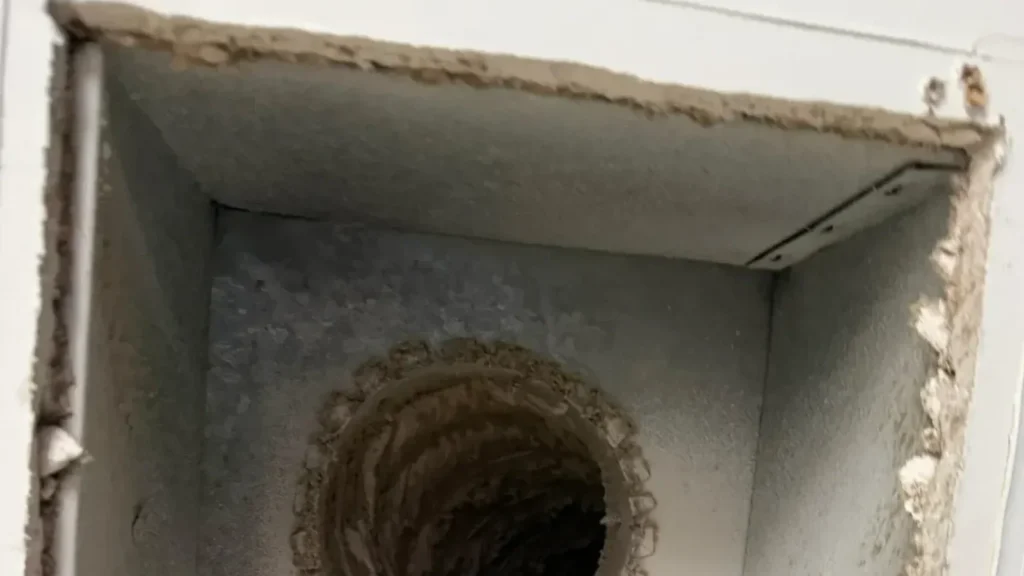
Most Elizabeth homeowners never think about what’s circulating through their HVAC system until someone in the household starts sneezing more, the house smells musty, or energy bills creep up for no obvious reason. Air duct contamination in Elizabeth homes is more common than most people realize, and the mix of pollutants that accumulates inside ductwork over time is surprisingly varied. Understanding what gets in there—and why—is the first step toward cleaner indoor air.
Why Air Duct Contamination in Elizabeth Homes Happens So Quickly
Your HVAC system moves air through hundreds of linear feet of ductwork every single day. Every time it runs, it pulls in whatever is floating in your home’s air: skin cells, cooking particles, tracked-in soil, and microscopic organisms. Even a brand-new home starts accumulating debris in its ducts within months of the first occupancy. The system is essentially a slow-motion vacuum that never gets emptied—until a professional cleans it.
Filters help, but they are not a complete solution. A standard 1-inch fiberglass filter captures larger particles while finer contaminants slip past and coat the interior surfaces of supply and return ducts. The longer the interval between cleanings, the thicker that layer becomes, and the more it becomes a habitat for biological growth.
The Most Common Contaminants Found in Elizabeth Ductwork
The following table breaks down what AMG Duct Cleaning technicians most commonly find when they inspect residential duct systems in the Elizabeth area, along with the health and HVAC concerns each contaminant raises.
| Contaminant | Primary Source | Key Concern | Who Is Most at Risk |
|---|---|---|---|
| Dust & Skin Cells | Everyday occupancy | Feeds dust mite colonies | Allergy and asthma sufferers |
| Dust Mites | Settled dust in warm ducts | Fecal particles trigger respiratory reactions | Children, elderly, allergy sufferers |
| Mold Spores | Moisture intrusion, condensation | Spreads throughout the home via airflow | Everyone, especially immunocompromised |
| Pet Dander | Dogs, cats, and other animals | Persistent allergen that sticks to duct walls | Pet allergy sufferers |
| Pollen | Outdoor air infiltration | Seasonal buildup worsens allergy symptoms | Seasonal allergy sufferers |
| Construction Debris | Renovations, new builds | Drywall dust and fiberglass irritate airways | All occupants post-renovation |
| Rodent Droppings & Debris | Pest intrusion through duct gaps | Hantavirus risk; foul odors | All occupants |
| Volatile Organic Compounds (VOCs) | Cleaning products, paints, adhesives | Absorbed into duct lining, slowly re-released | All occupants, especially children |
Dust Mites in Ductwork: A Closer Look at a Hidden Problem
Dust mites are microscopic arachnids that thrive wherever settled dust and warmth coexist—conditions that describe the interior of most residential ductwork almost perfectly. They feed on shed human skin cells, which are abundant in any occupied home. The real problem is not the mites themselves but their waste particles, which become airborne and trigger asthma attacks, chronic runny noses, and itchy eyes in sensitive individuals.
A single gram of duct dust can contain thousands of mites and hundreds of thousands of their fecal pellets. When your system kicks on, that material gets pushed into living spaces. Regular professional cleaning removes the settled debris that sustains mite populations, breaking the cycle rather than just masking it.
Mold in Air Ducts: Elizabeth’s Humidity Problem
Mold in air ducts is one of the most serious forms of air duct contamination Elizabeth homeowners face. Elizabeth sits in Union County, where summer humidity regularly climbs above 70 percent. When warm, humid air meets the cooler metal surfaces inside ductwork—especially near supply registers or in poorly insulated basement runs—condensation forms. That moisture is all mold needs to establish a colony.
Once mold takes hold inside a duct system, the blower fan distributes spores to every room in the house every time the system runs. Musty odors are often the first sign, but visible dark spotting around vent covers is a clearer indicator. Left untreated, mold contamination can cause persistent respiratory symptoms, headaches, and fatigue. It also tends to worsen during the humid New Jersey summers if the root moisture issue is not addressed alongside the cleaning. If you notice any of these warning signs, read our full breakdown of signs your ducts need attention before the problem spreads further.
What Elizabeth’s Older Housing Stock Adds to the Equation
Elizabeth is one of New Jersey’s oldest cities, and a significant portion of its housing stock dates from the mid-20th century or earlier. That history creates specific air duct contamination risks that newer construction does not face to the same degree.
- Older duct materials: Homes built before the 1980s sometimes have ductwork lined with fibrous insulation materials that degrade over time, shedding particles directly into the airstream.
- Galvanized steel corrosion: Aging galvanized ducts develop rust and pitting on interior surfaces, which trap debris and create rough surfaces where biological growth anchors more easily.
- Multiple renovation layers: Older Elizabeth homes that have been updated over the decades often have ductwork that was modified, extended, or partially replaced, creating gaps and joints where outside air—and pests—can enter.
- Legacy pest activity: Older homes have had more time to develop gaps in their envelopes. Rodent intrusion into ductwork is more common in pre-1970 construction, and the debris left behind is a serious contamination issue.
- Asbestos-containing duct insulation: Homes built before 1980 may have duct wrap or duct board that contains asbestos. This requires specialist handling before any cleaning work begins.
If your Elizabeth home was built before 1985 and has never had a professional duct inspection, the contamination picture inside your system is likely more complex than a newer home of similar size.
Pet Dander in HVAC Ducts: Why It Persists Longer Than You Think
Pet dander is not simply pet hair. It is microscopic flakes of skin shed by cats, dogs, birds, and other animals, and it is extraordinarily sticky. Dander particles carry an electrostatic charge that causes them to cling to duct walls, insulation, and the interior of the air handler itself. Vacuuming floors and washing pet bedding helps with surface dander, but it does nothing for what has accumulated inside the duct system over months and years.
Homes with multiple pets or pets that spend time near return air vents tend to have the heaviest dander buildup. When the system runs, that stored dander gets re-aerosolized and circulates continuously. This is why some pet owners find that allergy symptoms persist even after removing the pet from the home—the dander reservoir inside the ducts can take months to clear on its own without a professional cleaning.
After a thorough cleaning, keeping that dander load from rebuilding is largely a matter of consistent maintenance habits. Our guide on maintaining clean air ducts in Elizabeth covers the specific steps homeowners can take between professional visits to slow contamination buildup.
How Contamination Compounds Over Time Inside Your Duct System
The contamination process inside a duct system is not linear—it accelerates. Here is why: the first layer of dust that settles on duct walls creates a rougher surface that traps the next layer more efficiently. Biological material in that dust provides nutrients for mold and bacteria. Mold growth creates more surface texture, trapping more debris. Moisture events—a humid summer, a leaky supply plenum, a wet filter left too long—can convert a manageable dust load into an active biological contamination problem within a single season.
The EPA recommends considering duct cleaning when there is visible mold growth inside ducts or on HVAC components, when ducts are infested with vermin, or when ducts are clogged with excessive debris. But many Elizabeth homeowners find that a proactive cleaning schedule—rather than waiting for a visible trigger—keeps the contamination cycle from reaching those more serious thresholds.
Frequently Asked Questions
How do I know if my Elizabeth home has a serious duct contamination problem?
Common indicators include musty or stale odors when the HVAC system runs, visible dust blowing from registers, dark discoloration around vent covers, increased allergy or asthma symptoms among household members, and unexplained spikes in energy use. A professional inspection is the only way to confirm the extent of contamination inside the duct system.
Are dust mites in ductwork dangerous?
Dust mites themselves are not dangerous in the way that pathogens are, but their waste particles are a leading trigger for asthma and allergic rhinitis. In homes where sensitive individuals live—particularly children and the elderly—a heavy dust mite load in ductwork can significantly worsen respiratory health and sleep quality over time.
Can mold in air ducts spread to other parts of my home?
Yes. Because the HVAC system moves air continuously throughout the house, mold spores originating inside ductwork get distributed to every room. This is one reason why mold in air ducts is treated as a more urgent problem than surface mold in a single area—the distribution mechanism is already built into the home’s infrastructure.
Does pet dander in HVAC ducts go away on its own after a pet is removed?
Not quickly. Dander that has adhered to duct walls, the air handler coil, and duct insulation can remain in place and continue to circulate for many months after a pet leaves the home. Professional cleaning is the most reliable way to remove the accumulated reservoir and provide relief to new occupants or allergy sufferers.
How often should Elizabeth homeowners have their ducts cleaned?
The National Air Duct Cleaners Association (NADCA) suggests every three to five years for most homes, but several factors specific to Elizabeth—older housing stock, humid summers, households with pets or allergy sufferers, and recent renovations—can shorten that interval to every two to three years. A professional inspection can give you a more precise recommendation for your specific system.
Is air duct contamination worse in older Elizabeth homes?
Generally, yes. Older homes have had more time to accumulate debris, are more likely to have ductwork gaps that allow pest intrusion, and may have lining materials that degrade and shed particles. Homes that have undergone renovations without duct protection during the work are also at higher risk of heavy construction debris contamination.
Ready to Find Out What’s in Your Elizabeth Home’s Duct System?
Air duct contamination in Elizabeth is not a rare edge case—it is a predictable result of how HVAC systems work combined with the specific characteristics of the local housing stock and climate. Dust mites, mold, pet dander, construction debris, and biological growth all accumulate quietly and invisibly until they start affecting the air you breathe every day. AMG Duct Cleaning serves Elizabeth and the surrounding Union County area with thorough, professional duct inspections and cleaning that address the full range of contaminants described here. If you want to know exactly what is inside your system and what it will take to correct it, contact AMG Duct Cleaning’s air duct cleaning service in Elizabeth to schedule an inspection today.
