Dryer vent cleaning is a cornerstone of safe, efficient laundry care in Elizabeth, New Jersey. From historic neighborhoods to newer developments, homes across the city share one simple truth: lint builds up. Clearing that lint from the entire vent path—from the lint trap collar to the exterior hood—prevents overheating, shortens cycle times, and protects your dryer from unnecessary strain. Whether you enjoy doing some maintenance yourself or prefer to hire a professional, it helps to know the essential tools used to deliver a thorough, safe result. If you want a dependable, done-for-you option, learning what professional dryer vent cleaning involves will also help you set the right expectations.
Understanding the vent path
Every tool choice starts with understanding the route lint takes from your dryer to the outdoors. Many Elizabeth homes feature longer runs with elbows that navigate structural obstacles or prior renovations. Each bend slows airflow slightly and encourages lint to settle. The right tools help you reach those segments without tearing delicate materials or leaving compacted debris behind.
Rotary brushes and flexible rods
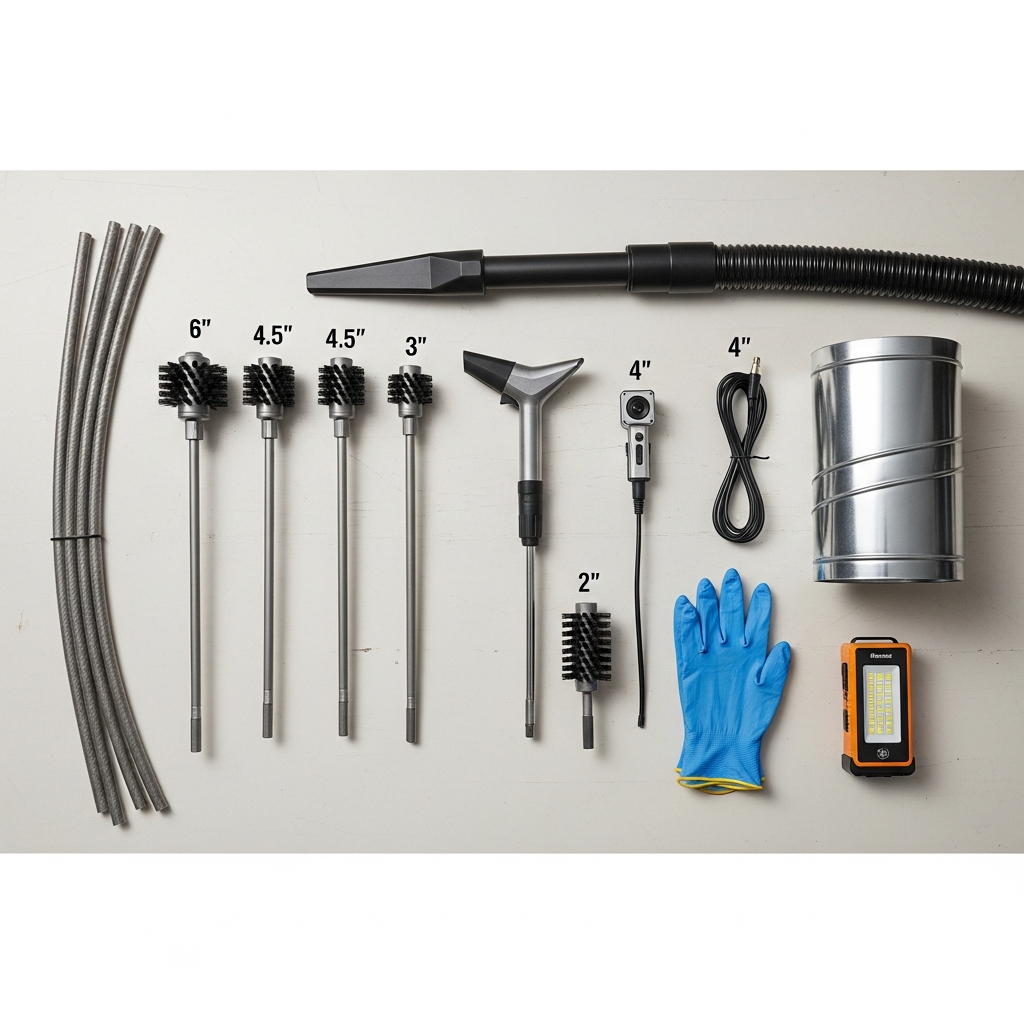
Rotary brush systems are the backbone of thorough vent cleaning. A properly sized brush head attaches to flexible rods that can travel the length of the duct and negotiate turns. When rotated at controlled speeds, the brush gently scours lint from the interior surface. The key is matching brush diameter to duct size and material: a brush that is too large can jam or stress joints, while one that is too small may tunnel through lint rather than remove it.
Flexible rods come in varying stiffness levels. Stiffer sections navigate straight runs efficiently; more flexible sections help around tight bends. Experienced users build a rod set that blends both characteristics, enabling smooth progress without forcing the tool or risking separation at joints.
High-filtration vacuums
Removing loosened lint is as important as dislodging it. High-filtration vacuums capture fine particles that would otherwise escape into the room. In professional setups, vacuums pair with hoses and adapters that connect directly to the vent opening, drawing debris as the brush moves through. This containment reduces mess and prevents lint from resettling downstream.
For DIY enthusiasts, a household vacuum with a long hose can assist, but filtration and hose diameter may limit effectiveness. Working slowly and keeping the vacuum close to the vent opening improves capture. If you notice lint drifting into the room, pause and reassess your setup to maintain control.
Inspection tools and airflow verification
Inspection cameras and airflow meters elevate confidence. A quick visual scan with a suitable camera can confirm that elbows and joints are clear, while airflow measurements before and after cleaning quantify improvement. This data-driven approach removes guesswork and helps you decide when to schedule the next maintenance session. If a camera is not available, careful observation of exterior hood movement and cycle times can still offer useful feedback.
Transition ducts and safe connections
The short connector between the dryer and the wall—called the transition duct—plays an outsized role. Smooth-walled metal transitions resist crushing and kinking better than flimsy foil or plastic types. Using the right clamps and maintaining gentle curves prevents pinched airflow when the appliance is moved back into position. A sturdy transition also makes future cleanings easier by allowing safe disconnection and reconnection without damage.
Exterior hood essentials
A functional exterior hood completes the system. The flap should open fully during operation and close tightly when the dryer is off. Lint or debris caught at the hinge can prevent proper movement, inviting pests or letting cold air in during winter. Tools for this area include small brushes for hinges, a vacuum nozzle to clear collected lint, and, when necessary, a gentle cleaning solution safe for the hood material. Regular checks ensure the last link in the airflow chain is doing its job.
Protective gear and site preparation
Drop cloths or floor coverings protect flooring and finishes. Nitrile or work gloves safeguard hands from sharp edges at duct connections. A simple headlamp or portable work light improves visibility behind appliances and inside utility closets. Preparation is a tool in itself: a clear path to and from the laundry area and organized equipment help the job proceed smoothly and safely.
When specialized tools are essential
Some Elizabeth homes present challenges that call for more advanced gear. Long vents that terminate on roofs require roof-safe ladders, harnesses, and weather-aware procedures. Tight chases or concealed elbows benefit from inspection cameras with adjustable heads. In these cases, the right equipment not only ensures a complete cleaning but also protects both the building and the technician performing the work.
DIY tips for straightforward setups
If you plan to address a short, accessible vent, choose a brush sized for your duct, assemble rods carefully, and rotate at controlled speeds. Unplug the dryer and shut off gas (if applicable) before moving the appliance. Keep the vacuum running at the vent opening as you brush to capture debris. If you encounter resistance that feels like a solid obstruction or if the brush head detaches, stop and reassess to avoid damage.
Monitor your progress by checking airflow at the exterior hood during a short test cycle. Strong, steady movement of the flap is a positive sign. If results are mixed, heavier lint compaction could be present at elbows or joints, and professional tools or techniques may be needed to finish the job thoroughly.
Elizabeth-specific considerations
Seasonal shifts influence tool choices and timing. In winter, condensation in cold sections of long runs can make lint adhere more stubbornly; brush selection and slower passes help dislodge it safely. In humid summers, clumping can demand additional attention at elbows near exterior walls. Multifamily buildings add logistical layers—protecting common areas, coordinating access, and safely reaching roof hoods. Teams experienced with the city’s varied layouts select tools with these realities in mind.
Maintaining results between cleanings
Good habits extend the life of any cleaning. Empty the lint screen before each load, avoid overloading the drum, and separate heavy fabrics from lighter items to prevent tangling and cold spots. Occasionally observe the exterior hood during a cycle to confirm free movement. If you remodel or move the dryer, use smooth-walled metal for the transition and ensure there is enough space behind the appliance to prevent crushing the duct when it is pushed back.
FAQs
Q: Which brush size should I use? A: Match the brush diameter to the duct size; too large risks jamming, too small may leave lint behind. When in doubt, consult a professional or the duct specifications.
Q: Can a household vacuum replace a professional unit? A: It can assist, but filtration and airflow may be limited. Work slowly, keep the nozzle close to the vent opening, and watch for dust escaping.
Q: Is flexible foil duct okay as a transition? A: Smooth-walled metal is typically safer and more durable, reducing kinks and improving airflow.
Q: How often should I clean the exterior hood? A: Inspect it regularly and clear any visible lint. Proper flap movement is vital to maintaining airflow and keeping pests out.
Q: What if my vent terminates on a roof? A: Roof access requires proper safety gear and experience. Many homeowners prefer to schedule a professional for this setup.
Q: Do inspection cameras make a big difference? A: They help confirm that elbows and joints are clear, adding confidence and guiding maintenance intervals.
Get the right tools—or the right team
Equipping yourself with proven tools and solid techniques will improve both safety and performance. If your setup is complex or you prefer a guaranteed, verified outcome, schedule professional dryer vent cleaning and enjoy dependable airflow and shorter drying times in your Elizabeth home.
