Searching for the best dryer vent cleaning near me in Elizabeth, New Jersey can feel like a small decision with outsized benefits for safety, efficiency, and day-to-day convenience. In a city known for its mix of historic homes, multifamily buildings, and busy household schedules, choosing the right partner matters. Early on, it helps to understand what high-quality service looks like, why routine maintenance protects your home, and how local conditions shape the right approach. If you are just getting started, one of the smartest steps is to learn what professional dryer vent cleaning actually includes and how it improves both safety and performance.
Dryer vent blockage is more than a nuisance. Lint accumulation, crushed ducts, and poorly routed vent lines can restrict airflow, forcing your dryer to work harder and run hotter. That extra heat and stress can wear down components faster, increase drying times, and create conditions where lint could ignite. The best providers in Elizabeth, NJ tailor their methods to the configuration of your home, whether you are in a single-family property in North Elizabeth, a row home in Midtown, or a top-floor apartment downtown. They start with inspection, follow a standardized cleaning process, and verify results with airflow testing.
Why dryer vent cleaning is so important for Elizabeth households
Elizabeth experiences four true seasons. In the winter, cold temperatures can stiffen ducts and exacerbate lint buildup where condensation has occurred. In the summer, humidity can encourage lint to clump and stick to bends in the line. The city’s varied housing stock also means vents may travel longer distances with multiple turns, each one an opportunity for debris to settle. Reliable cleaning tackles lint throughout the entire run, from the lint trap collar to the vent hood, ensuring consistent airflow in every season.
There is also a lifestyle factor. Busy family routines, multifamily laundry rooms, and frequent loads for sports gear, sheets, and towels all add up. More loads mean more lint. Without routine cleaning, a vent can slowly narrow until airflow is significantly restricted. Early warning signs include clothes taking longer to dry, a dryer that feels unusually hot to the touch, a musty smell on freshly dried garments, or lint collecting behind the machine or at the exterior hood. A top-tier cleaner will help you recognize those signals and establish a maintenance rhythm that fits your usage.
What separates the best local providers from the rest
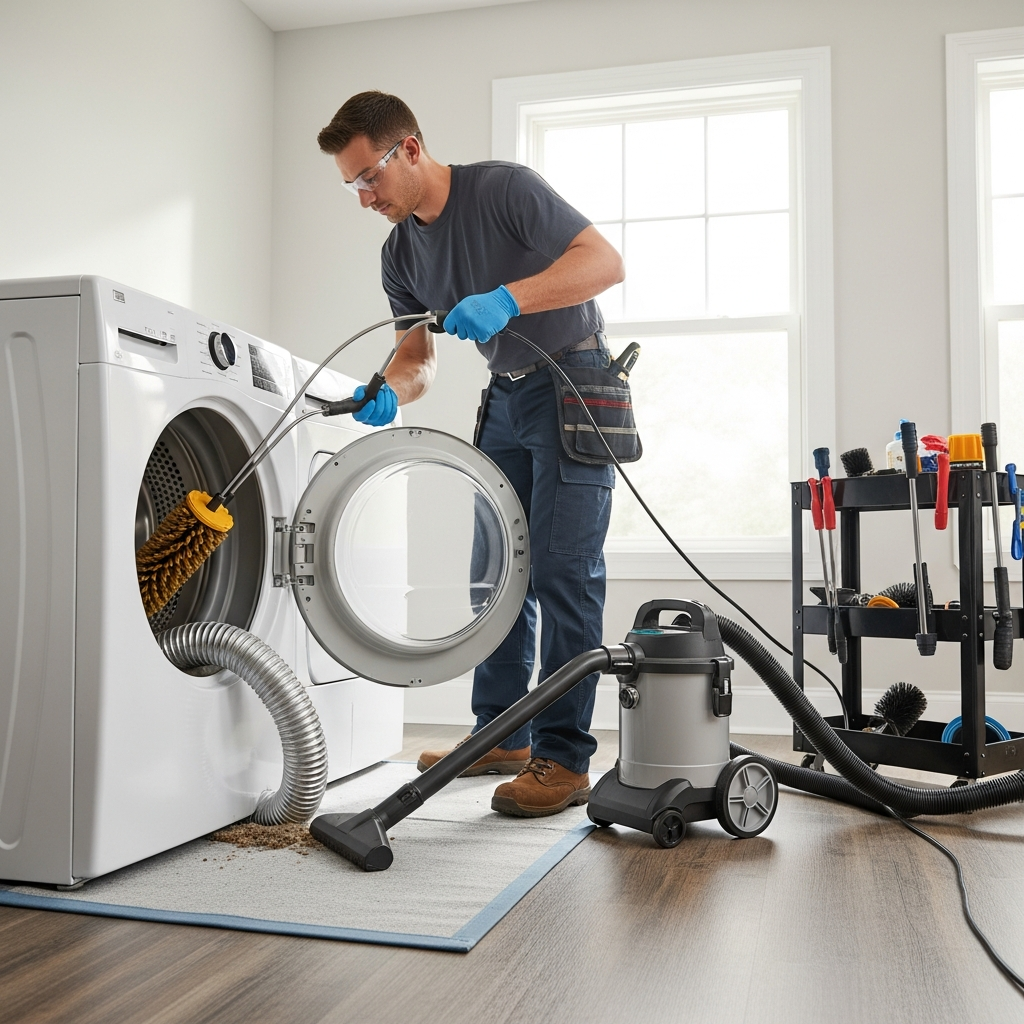
Great results begin with preparation and an organized process. The best cleaners begin with a visual assessment, looking for crushed flex ducts, overly long runs, improper transitions, or a vented path that terminates into an attic or crawlspace rather than outdoors. They use purpose-built tools—rigid or semi-rigid rotary brushes, flexible rods, high-powered vacuums with filtration, and inspection devices—to remove lint without damaging the duct.
Equally important is the finish work. A reputable technician confirms the duct path is clear at every bend, secures transition connections, and checks the exterior hood for proper flap movement or pest screens. They test airflow before and after cleaning to verify improvement. Throughout the appointment, they protect your floors and laundry area, keeping equipment organized and managing dust to prevent mess. Professional communication—clear appointment windows, respectful explanations, and post-service guidance—rounds out a quality experience.
Understanding your vent path and materials
Vents vary. Some homes use rigid metal ducts with smooth interiors that resist lint accumulation better than flexible foil ducts. Others have long runs with multiple elbows, which can require more thorough brushing. A knowledgeable cleaner will identify these differences and choose tools accordingly. In Elizabeth’s older properties, it is not uncommon to find outdated materials; a superior provider will explain safer alternatives and, when appropriate, recommend upgrading to code-compliant components for better airflow and durability.
If your dryer vents to the roof or through a shared chase in a multifamily building, access and safety protocols become even more important. Skilled teams plan around those logistics, coordinate with building staff if needed, and ensure that cleaning is complete from appliance to terminal hood. This attention to detail helps reduce hot spots where lint might collect again soon after a cleaning.
Safety and performance benefits you can feel
After a thorough service, most homeowners notice shorter cycles, more even drying, and a cooler-to-the-touch appliance. Those improvements are signs of restored airflow. Over time, better airflow reduces wear on heating elements, drum bearings, and sensors. It also helps preserve fabric quality by limiting over-drying. The safety benefit is just as important: removing the fuel source (lint) and lowering operating temperatures reduces the potential for ignition within the vent line.
Best-in-class companies also educate. They will show you how to clean the lint screen properly, adjust laundry habits to minimize lint, and identify red flags that suggest it is time to schedule again. They might also discuss the location of your dryer, the shape of the vent path, and how small changes—like a shorter, rigid transition duct—can make a big difference in day-to-day performance.
How often should you schedule service?
Frequency depends on usage, the length and configuration of the duct, and the types of fabrics you dry. The safest approach is to monitor performance and lint accumulation at the exterior hood. If you see weak airflow or lint collecting quickly, it is time. Many Elizabeth households benefit from annual cleaning, while high-use situations—large families, home-based businesses that launder towels or linens, or multifamily common dryers—often need more frequent attention. The right provider will help set an interval that keeps your system running efficiently all year.
Preparing for your appointment
Clear a path to the laundry area, move delicate items, and ensure the dryer has enough space to be gently pulled forward if necessary. If your exterior vent hood is behind landscaping or snow, make sure it is accessible. Having the space ready saves time and helps the technician work efficiently. During the service, feel free to ask questions. Understanding the condition of your vent, any restrictions present, and post-cleaning care will help you maintain the improvements.
In the middle of the process, the most diligent technicians verify progress at multiple checkpoints. They may measure airflow, brush and vacuum in both directions, and visually confirm that elbows and transitions are free of lint. If you are comparing local options, ask how they confirm results and what tools they use. Teams that standardize these quality checks consistently deliver better outcomes and help prevent issues from returning quickly. At this stage, it is also helpful to remember that recurring maintenance with professional dryer vent cleaning supports safer operation and reliable drying times month after month.
Common myths about dryer vent maintenance
Many people assume cleaning the lint screen is enough. While that step is essential, it only addresses loose lint at the machine, not the debris that accumulates in the vent run. Another misconception is that newer dryers do not need maintenance. In reality, modern machines often run hotter and have sensors that are sensitive to restricted airflow. A clean vent helps those sensors function correctly and keeps cycles predictable. Others believe short vent runs do not clog; however, elbows and tight spaces can collect lint surprisingly quickly.
Neighborhood considerations across Elizabeth
Different neighborhoods present different vent configurations. In areas with older homes, you might find complex vent paths navigating around structural features. In newer developments, longer runs to the exterior or roof terminations can require specialized tools and roof-safe access methods. Multifamily buildings often consolidate vent paths or vent to exterior walls at upper levels. The best providers are comfortable with all of these setups and explain how they protect both the building and the dryer during service.
Signs you need service soon
If your laundry room feels unusually warm after a cycle, if the exterior hood flap barely moves while the dryer is on, or if you notice a burning or musty odor on warm clothes, schedule cleaning. If the dryer stops mid-cycle or throws an airflow-related error code, that is also a strong indicator. Visible lint behind the appliance, lint at the exterior hood, or a flap stuck open due to debris are all practical signals that airflow is restricted.
FAQs
Q: How long does a typical appointment take? A: It varies with layout and access, but a straightforward single-family setup is usually completed in a short window, with additional time for longer or more complex runs.
Q: Will the technician move my dryer? A: In many cases, yes. Technicians carefully reposition the appliance to access the transition duct and the rear connection, then return it to its spot, verifying that hoses and cords are safe and secure.
Q: Do I need to be home? A: It is best to be present to provide access, discuss findings, and review any recommendations. Your questions can be addressed on the spot, and you can see before-and-after indicators like airflow.
Q: What about birds or pests in the vent? A: A professional will inspect the hood and vent path for nesting materials. If an obstruction is present, they will remove it safely and may suggest a suitable, code-compliant exterior guard if warranted.
Q: How do I keep the vent clear between cleanings? A: Empty the lint screen before every load, avoid overloading the drum, and check the exterior hood regularly to ensure free flap movement and no visible lint.
Q: Can scented dryer sheets increase buildup? A: Residues from certain laundry products can contribute to sticky lint. Using moderate amounts and cleaning regularly helps minimize that effect.
Q: Is plastic or foil transition duct okay? A: Smooth-walled metal transitions are generally safer and more durable. Your technician can advise on upgrades if your current setup is not ideal.
Q: What if my vent terminates in the attic or crawlspace? A: That configuration is not recommended. A professional can explain safer routing options that exhaust outdoors and improve performance.
Maintaining results throughout the year
After service, keep an eye on drying times and exterior airflow. Simple habits help extend the benefits: shake out heavy items to reduce tangling, separate dense fabrics from light ones, and run your dryer only when the lint screen is clean. If you remodel or relocate the dryer, consult a professional about vent routing to avoid sharp turns or excessive lengths. Small planning choices today can lead to lasting efficiency.
Schedule with a trusted local expert
Reliable scheduling, careful workmanship, and clear communication are the hallmarks of an excellent experience. If your clothes are taking longer to dry, if you notice heat buildup, or if it has been a year or more since the last service, now is a good time to act. For dependable help, book professional dryer vent cleaning and enjoy safer, smoother laundry days in Elizabeth, New Jersey.
