
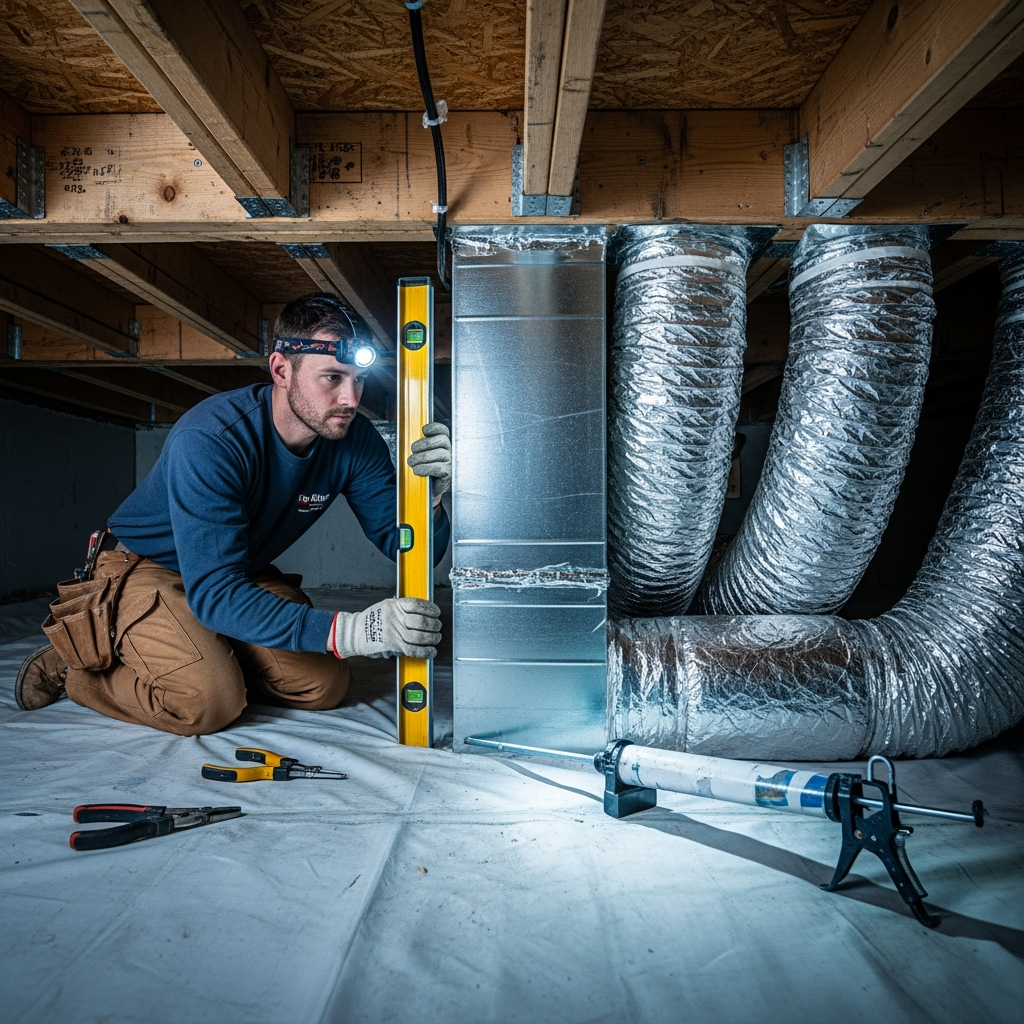
Designing Residential Ductwork for Elizabeth Homes
Residential properties in Elizabeth span historic single-family homes, post-war capes, multi-family buildings, and townhouses. Each layout requires a tailored duct strategy to ensure quiet operation, balanced airflow, and year-round comfort. If you are exploring options for air duct installation, start by considering room-by-room needs, return placement, and how ducts will move through attics, crawlspaces, or basements without compromising finishes.
Elizabeth’s climate demands flexibility: warm summers, cold winters, and transitional seasons where humidity can fluctuate. Ducts must be insulated and sealed to maintain comfort and protect efficiency, especially in unconditioned spaces. Good design protects against drafts, noise, and uneven temperatures from floor to floor.
Room-by-Room Comfort Planning
Great residential design begins with understanding heat gain and loss in each space. South-facing rooms, kitchens, and second-floor bedrooms often require special attention. Carefully selected diffusers and register placements help mix air without creating unwanted drafts.
- Bedrooms: Aim for quiet airflow using smooth transitions and proper branch sizing.
- Living areas: Ensure even distribution to prevent stratification, particularly in rooms with high ceilings.
- Kitchens: Consider localized ventilation that complements the main supply and return strategy.
- Basements: Balance comfort without over-supplying spaces that may be naturally cooler and more humid.
A balanced return strategy prevents pressure imbalances that draw air from attics or basements. Dedicated returns on each level often produce the best results, particularly in homes with doors that are frequently closed.
Routing Through Attics, Crawlspaces, and Basements
The path ducts take influences performance and durability. In older homes, joist bays, chases, and soffits can simplify routing, but only if properly sealed and insulated. Where runs must pass through unconditioned spaces, insulation and vapor control are vital to minimizing condensation and protecting airflow.
Support spacing also matters. Sagging flexible ducts increase resistance and reduce delivery. Using smooth-radius fittings, avoiding sharp bends, and securing ducts at the right intervals help preserve design intent.
Noise Reduction and Air Quality Considerations
Quiet systems rely on correct sizing, gentle transitions, and well-chosen diffusers. If a bedroom is near the air handler, consider lined sections or design choices that attenuate sound without restricting flow. On air quality, sealed returns and accessible filter locations make routine maintenance simpler and more reliable.
- Use radius elbows where possible to reduce turbulence.
- Select diffusers that throw air across rooms without creating drafts.
- Place filters where they are easy to reach and change regularly.
- Seal joints to reduce infiltration of dust and unconditioned air.
Installation Sequence for Homeowners
Strong residential results come from a clear sequence: layout verification, protection of living areas, selective demolition, duct fabrication and placement, sealing, insulation, register installation, and balancing. Communication about daily work zones and cleanup protects family routines and pets.
Photos and simple diagrams help homeowners understand how trunks and branches serve each room. This transparency supports smarter thermostat use and future maintenance.
Mid-Project Checks and Final Balancing
Before registers and grilles go on, installers can verify cleanliness, sealing quality, and target static pressure. This is an ideal time to adjust takeoffs, tweak support spacing, or redirect a branch serving a room with unusual heat gain. If you are coordinating air duct installation with other renovations, these checks help ensure duct routing aligns with cabinetry, lighting, and finishes.
- Confirm that supply and return placements match room layouts.
- Measure static pressure to protect equipment and comfort.
- Test for even temperatures and airflow before closing walls.
- Label key dampers to make seasonal adjustments easier.
Frequently Asked Questions
Q: What is the most important step in residential duct design?
A: Accurate sizing and a balanced return strategy. These two elements set the stage for comfort and quiet operation.
Q: How can I reduce noise in a nursery or primary bedroom?
A: Use smooth transitions, avoid sharp bends, and consider lined sections or diffuser adjustments near sleeping areas.
Q: Will insulation around ducts really make a difference in my home?
A: Yes. Proper insulation in attics and crawlspaces reduces energy waste and helps maintain even temperatures across seasons.
Q: Do I need returns in every bedroom?
A: Not always, but doors that stay closed can restrict airflow. Dedicated returns on each level often improve results and comfort.
Q: What should I expect in an occupied home during installation?
A: Clear daily schedules, floor protection, containment for dust control, and end-of-day cleanup to keep living areas functional.
Q: How often should ducts be inspected after a new install?
A: A check after the first season and periodic inspections thereafter help ensure lasting performance and sealing integrity.
Make Your Elizabeth Home Comfortable Year-Round
A carefully planned residential duct system supports quiet, even comfort while protecting air quality and equipment longevity. If you are ready to improve airflow, consider partnering with a team that plans, verifies, and balances every step. Start with professional air duct installation designed for Elizabeth’s homes and climate.
