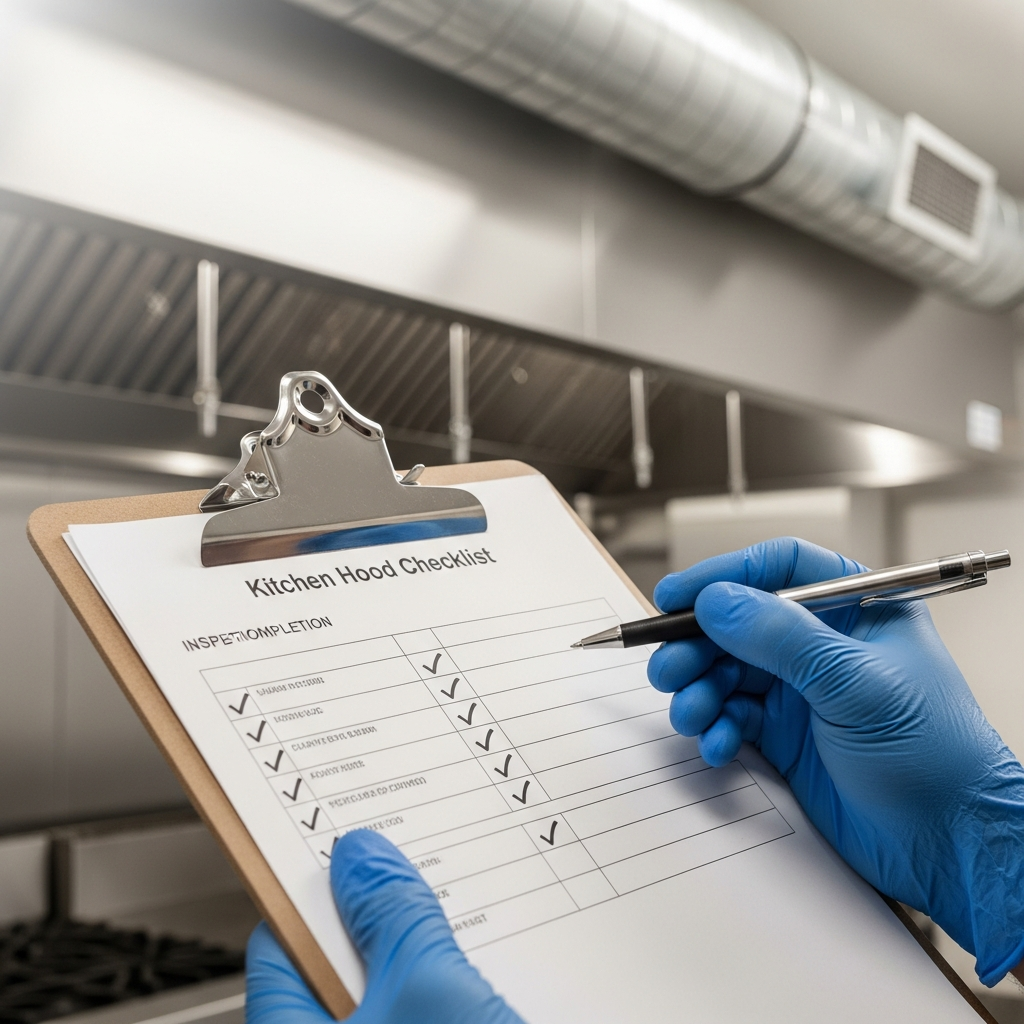
A precise, repeatable checklist is the backbone of a safe and efficient commercial kitchen. In Elizabeth, New Jersey, where foodservice operations range from neighborhood takeout counters to institutional kitchens serving thousands every day, a clear plan for exhaust hood maintenance ensures your team can meet demand without compromising safety or compliance. Grease accumulates quickly in high-volume environments, and the only reliable defense is a systematic approach that covers the hood canopy, filters, plenum, ductwork, and rooftop fan. If you want to validate or upgrade your existing process, consider grounding your program in professional standards and partnering with specialists in kitchen exhaust hood cleaning who can verify results with photos and reports.
Checklist Overview: What Every Service Should Include
A strong checklist follows the path of grease and addresses both visible and hidden surfaces. It also builds in documentation steps to satisfy inspectors, insurers, and landlords. The outline below can be adapted for any kitchen in Elizabeth, whether you operate one hood or several across multiple lines.
- Pre-Service Coordination and Safety
- Protection and Containment
- Filter Removal and Degreasing
- Hood Canopy and Plenum Cleaning
- Ductwork Access and Mechanical Agitation
- Rooftop Fan Cleaning and Inspection
- Rinse, Dry, and Polish
- Airflow Verification and Function Check
- Documentation and Tagging
- Post-Service Review and Scheduling
1. Pre-Service Coordination and Safety
Confirm service time during off-hours to avoid conflicts with meal periods. Ensure staff understands the plan: appliances must be cooled, food removed or covered, and clear access maintained from the kitchen to the rooftop. Confirm that technicians have safe access to electrical panels and rooftop paths. Discuss any known issues—like noisy fans, leaky grease trays, or airflow concerns—so they can be evaluated during cleaning. If your building has shared systems, notify neighboring tenants or management in advance.
2. Protection and Containment
Before cleaning begins, the team should protect equipment and floors with plastic sheeting and set up containment to manage wastewater. Drip pans and funnels should channel liquids safely to collection points. This step prevents contamination and ensures environmental compliance. Good containment is especially important in tight Elizabeth kitchens where space is at a premium and spill control can be challenging.
3. Filter Removal and Degreasing
Baffle filters capture a significant portion of grease before it reaches the plenum. Remove them carefully to avoid dents or misalignment. Soak and degrease until they are clean to the touch. If filters are warped, damaged, or excessively heavy with residue even after washing, plan replacement. Clean filters support proper airflow, reduce odors, and slow down duct accumulation.
4. Hood Canopy and Plenum Cleaning
Apply suitable degreasers to exposed stainless surfaces and the plenum area behind the filters. Scrub seams, corners, and riveted sections where residue collects. Rinse thoroughly with hot water and dry. Polishing the exterior stainless restores shine and makes daily wipe-downs more effective between services. Ensure that lighting fixtures and switches associated with the hood are clean and functional.
5. Ductwork Access and Mechanical Agitation
Open existing access panels to reach vertical and horizontal duct runs. Use brushes and rotary tools to agitate deposits and break down carbonized layers. The most stubborn grease often hides in horizontal sections and elbows where airflow slows. If your ducts lack adequate cleanouts, plan installation to comply with standards and to improve future results. Accurate notes on which sections were accessed will help inspectors quickly verify thoroughness.
6. Rooftop Fan Cleaning and Inspection
Shut off power, then open the fan assembly using hinges where available. Clean blades, housings, and grease containment systems. Check belt tension, bearings, and vibration. Verify that grease is draining into approved containers rather than onto roofing materials. Damaged roofing from overflow is a common and preventable issue. Note any repairs or upgrades needed, such as hinge kits, improved containment, or safer access paths.
7. Rinse, Dry, and Polish
After agitation, rinse surfaces with hot water to remove emulsified grease and detergents. Dry thoroughly to prevent streaks and to ready the area for immediate use once appliances are back online. Polish visible stainless to present a clean, professional appearance that instills confidence in staff and inspectors alike.
8. Airflow Verification and Function Check
With everything reassembled, switch on the system and verify airflow. Listen for unusual noises that might indicate belt or bearing issues. Confirm that makeup air is balanced and that smoke on the line evacuates efficiently. If problems persist, consider whether the duct size, fan capacity, or control settings match your current menu and volume.
9. Documentation and Tagging
Place service tags on the hood with the date of cleaning and the next recommended service. Compile before-and-after photos and technician notes in a digital report. Keep these records in an inspection-ready binder or cloud folder. Good documentation reduces friction with regulators, accelerates insurance reviews, and gives managers clarity on maintenance priorities.
10. Post-Service Review and Scheduling
Hold a short review with the technician or account manager to discuss findings, recommended repairs, and the next appointment. Align hood cleaning with fire suppression inspections, extinguisher checks, and equipment service to minimize repeated downtime.
Daily, Weekly, and Monthly Tasks for Staff
- Daily: Wipe down external hood surfaces and check for visible residue
- Weekly: Wash baffle filters and inspect for dents or warping
- Monthly: Check lighting, fan sounds, and vibration; review service tags and logs
Staff engagement keeps your checklist alive between professional visits.
Adapting the Checklist for Elizabeth’s Kitchen Realities
Space constraints, shared rooftops, and older ducts are common in the city. Tailor the checklist to your building’s footprint. For example, note rooftop access hours, elevator usage restrictions, and any requirement to coordinate with adjacent tenants. If your operation expands—adding fryers, grills, or new menu items—update the checklist and frequency to reflect increased grease production. A living checklist responds to your changing needs and keeps you ahead of inspections.
Quality Standards and Inspection Readiness
NFPA 96 provides the baseline for cleanliness and access. Your checklist should explicitly track adherence to these standards, including the presence of access panels and acceptable residue levels. During inspections, present your log, photos, and most recent service tag. The more organized your documentation, the faster your approval—and the fewer follow-up visits you will face.
Common Pitfalls to Avoid
- Relying solely on filter washing while neglecting ducts and the rooftop fan
- Skipping mechanical agitation, which is required for baked-on residues
- Allowing poor grease containment to damage roofing or create slip hazards
- Failing to install access panels that enable full-duct cleaning
- Infrequent scheduling that allows dangerous buildup between services
Eliminating these pitfalls dramatically reduces fire risk and improves airflow.
Mid-Checklist Assurance: Are You Hitting Every Step?
Halfway through your program, validate that your process covers preparation, containment, filters, canopy, plenum, ducts, fan, rinse, verification, and documentation. If you find gaps, closing them quickly is essential. Partnering with a team focused on thorough kitchen exhaust hood cleaning can help confirm that every line item is completed to standard, every time, and that your records will satisfy even the most careful reviewer.
Training Your Team to Support the Checklist
Provide short briefings for shift leaders on what clean looks like, how to identify early warning signs like smoke roll-out or fan vibration, and how to escalate issues before they trigger downtime. Make service logs accessible, assign responsibility for filter washing, and set reminders for pre-inspection walk-throughs. A culture of vigilance ensures the checklist is more than a document—it becomes a habit shared by the whole team.
Seasonal Adjustments in Elizabeth
Cold months can thicken grease and strain fan motors; hot, humid weather intensifies odors and evaporation rates. Plan interim check-ins ahead of peak seasons—summer tourism, holiday catering, or school-year startups—so you can verify airflow and filter condition when volumes spike. Seasonal foresight reduces surprises and stabilizes kitchen comfort.
Frequently Asked Questions
How often should the full checklist be executed? Follow a schedule based on volume and menu. High-grease operations may require monthly or bi-monthly professional service, with staff tasks occurring daily and weekly in between.
What if we lack sufficient duct access? Document the deficiency and schedule installation of additional cleanouts. Without access panels, thorough cleaning is impossible and noncompliant with standards.
Can staff perform parts of the checklist? Yes. Daily wipe-downs and weekly filter washing are staff responsibilities. Duct and fan cleaning require trained professionals and specialized equipment.
How do we prove completion to inspectors? Maintain a binder or digital folder with dated tags, photo reports, and signed service logs. Organize documents by hood and fan for fast retrieval.
What immediate actions reduce buildup? Wash filters weekly, avoid storing combustibles near the cookline, and report unusual fan noises or odors promptly.
Move Forward With Confidence
Checklists transform complex maintenance into predictable routines. By following a detailed sequence, training your team, and documenting every step, you reduce fire risk and protect airflow across busy shifts. When you are ready to lock in consistency and gain inspection-ready documentation for your Elizabeth kitchen, schedule professional kitchen exhaust hood cleaning with a trusted provider. You will strengthen safety, support staff comfort, and keep guests enjoying your menu without interruption.
