Introduction
When safety, compliance, and documentation matter, choosing a licensed provider for your hood and duct service is essential. Commercial and institutional kitchens in Elizabeth, New Jersey must demonstrate due diligence to health inspectors, fire officials, insurers, and corporate stakeholders. A licensed team brings verified training, formal procedures, and the documentation that proves work was performed to standard. From restaurants and hotels to hospitals and schools, licensed professionals deliver the comprehensive kitchen exhaust hood cleaning that keeps ventilation systems efficient and ready for scrutiny.
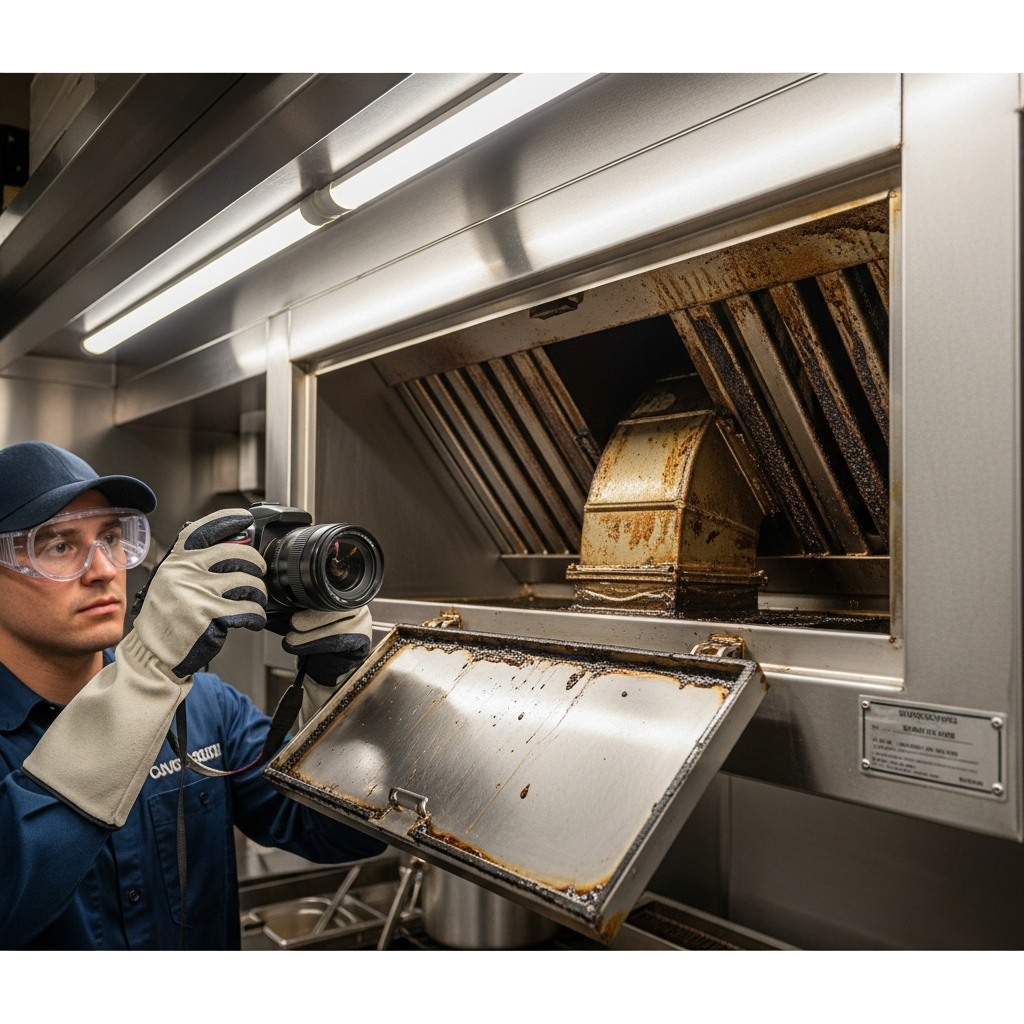
Licensure and credentials are more than labels; they reflect a commitment to competency, safety, and accountability. Trained technicians know how to access challenging duct runs, protect property, and remove combustible grease where it hides. They also know how to record what they find, provide photographic evidence, and recommend corrective actions in ways that stand up to audits and inspections.
In a complex regulatory environment, the right partner aligns your maintenance program with the requirements that apply to your menu, volume, and building type. That means a safer cookline, smoother inspections, fewer surprises, and greater confidence for leadership and staff alike.
Why Licensure Matters
Licensure signals that a company meets defined standards for capability, safety, and business responsibility. It typically requires evidence of training, insurance, and adherence to recognized best practices. For operators, this translates to a lower risk of incomplete cleaning, property damage, or lapses in documentation that can cause headaches during inspections.
Licensed providers also maintain up-to-date knowledge of ventilation and fire safety practices. As menus evolve and equipment changes, they advise on access improvements, cleaning intervals, and safety upgrades that keep your system in line with expectations. This consultative approach reduces risk over time, not just during the service window.
What a Licensed Service Delivers
A licensed team brings structure to every step of the process. You can expect consistent quality controls, safety protocols, and documentation that reflect professional standards from first contact to final report. The outcome is not only a cleaner system but also the records you need to defend your maintenance program.
- Pre-service evaluation: a walkthrough to map the system, confirm access, and identify special conditions
- Job hazard analysis: review of electrical shutoffs, ladder safety, rooftop conditions, and water containment
- Protection of the site: sheeting, mats, and shielding for adjacent equipment, floors, and finishes
- Methodical cleaning: degreasing and hot-water rinsing from fan to hood, including internal surfaces
- Functional checks: inspection of fan belts, bearings, vibration, and make-up air balance indicators
- Photo documentation: before-and-after images of key points for your records
- Service tagging and reporting: clear notation of service date, scope, and next recommended interval
- Corrective recommendations: notes on access panel needs, filter upgrades, or repair items
Elizabeth, NJ Compliance Landscape
Elizabeth’s commercial kitchens operate in a setting where safety and inspection-readiness are part of everyday operations. Building construction varies widely, and so do ventilation challenges. Licensed providers familiar with local expectations streamline your path to compliance by organizing documentation that inspectors recognize and by advising on adjustments to keep your program aligned with best practices.
For multi-unit operators, consistency across locations is key. A licensed service that standardizes procedures and reporting makes it easier to compare conditions, evaluate risk, and plan capital improvements on a portfolio level. Clear, consistent reports add credibility when you demonstrate maintenance diligence to corporate oversight or insurance partners.
Selecting the Right Licensed Provider
Credentials are the starting point, but you should also evaluate communication, transparency, and fit for your operation. Ask for sample reports, request references, and look for a team that explains their process clearly. The best providers are partners who help you understand the condition of your system and how to keep it performing reliably between service intervals.
- Verify licensure and relevant certifications
- Confirm insurance coverage and safety training
- Request sample photo reports that show duct interiors and fan assemblies
- Ask about access solutions for complex duct routes or multi-story buildings
- Discuss scheduling flexibility for overnight or off-hour service
A transparent proposal will outline scope, protective measures, cleaning methods, and documentation deliverables. Clarity upfront leads to smooth execution and better outcomes for your team.
How Licensed Teams Address Common Challenges
Commercial kitchens present diverse conditions: cramped mechanical spaces, long horizontal ducts, aging equipment, and rooftop fans exposed to the elements. Licensed professionals anticipate these challenges and bring strategies to handle them safely and efficiently.
- Access obstacles: installing or using existing access panels to reach concealed areas
- Heavy buildup: combining dwell time with mechanical agitation for polymerized grease
- Water management: containment and routing to protect interiors and roofs
- Fan issues: identifying worn belts, misalignment, or vibration that indicates bearing wear
- Documentation gaps: producing thorough reports that close the loop for inspections
By approaching each challenge with a repeatable process, licensed providers produce consistent, verifiable results that improve safety and airflow across your cookline.
Scheduling and Frequency Guidance
Even with the best teams, success depends on right-sized scheduling. A licensed provider will align frequency with your real conditions—menu, volume, and observed accumulation—rather than a generic calendar. That customized approach maximizes safety while minimizing disruption.
- High-output lines with frying and charbroiling: monthly to quarterly cleaning based on inspection
- Mixed-method kitchens with moderate volume: quarterly to semiannual
- Low-volume or seasonal operations: semiannual to annual with periodic checks
Documented observations ensure your plan evolves as your business changes. If you add equipment or extend hours, your provider can update the schedule to stay ahead of risk.
Midpoint Insight
The value of a licensed provider is most visible when scrutiny is highest: during inspections, after a near-miss event, or when you are onboarding new leadership. In those moments, clear records and consistent results speak for themselves. Just as importantly, regular, professional kitchen exhaust hood cleaning helps your team focus on service and guest experience instead of ventilation surprises.
What to Do Between Services
Even the best cleaning program benefits from smart daily and weekly practices. Training your team on simple routines supports performance and cleanliness between professional visits, ensuring you extract maximum value from each service.
- Rotate and clean baffle filters at intervals matched to your menu
- Wipe hood exteriors and adjacent surfaces at close of business
- Listen for fan noise or vibration changes and log any anomalies
- Confirm make-up air temperatures and balance during peak hours
- Keep combustibles away from the cookline and maintain equipment clearances
These habits reduce grease migration, improve capture, and keep your ventilation running smoothly day after day.
FAQs
Q: What makes a licensed service different from an unlicensed one?
A: Licensure typically requires verified training, adherence to recognized best practices, and documented insurance. Licensed teams standardize processes, produce robust documentation, and are accountable for quality and safety.
Q: How do licensed providers document their work?
A: Expect service tags, dated photo reports of duct interiors and the fan, and written recommendations. This record becomes part of your compliance file and facilitates smooth inspections.
Q: Can a licensed provider help with access panel installation?
A: Yes. They can advise on access needs and facilitate installation so future cleanings reach all required surfaces, improving safety and completeness.
Q: What if my building has multiple hoods and long duct runs?
A: Licensed teams plan staffing and time to address complex systems. They will stage work to protect operations, manage water, and provide thorough documentation for each hood.
Q: Does licensed service reduce my fire risk?
A: Thorough removal of combustible grease significantly reduces risk and supports fire suppression system performance, helping protect people, property, and uptime.
Q: How is cleaning frequency determined?
A: Frequency is guided by observed conditions, menu, and volume. Providers recommend intervals based on inspection data, adjusting as your operation changes.
Q: Will cleaning affect my HVAC or make-up air?
A: Improved exhaust performance helps stabilize pressure relationships with make-up air, which can enhance comfort and odor control in both kitchen and guest areas.
Q: Can licensed teams work overnight?
A: Yes. Many services are performed during off-hours to avoid interfering with meal periods. Providers coordinate with your schedule for minimal disruption.
Partner with a Licensed Expert
When you need reliable results and records that stand up to scrutiny, partner with a licensed team that understands your facility, menu, and operational demands. Align scheduling with real conditions, maintain clear documentation, and train your staff on basic maintenance. For dependable results in Elizabeth, New Jersey, schedule professional kitchen exhaust hood cleaning and keep your ventilation ready for every rush and every inspection.
