Kitchen Exhaust Hood Cleaning Requirements in Elizabeth, New Jersey
Understanding kitchen exhaust hood cleaning requirements is essential for any foodservice operator in Elizabeth, New Jersey. Consistent, verifiable cleaning protects your staff and guests, limits fire risk, and demonstrates compliance during inspections. While every operation is unique, the foundation comes from widely referenced standards like NFPA 96, layered with local expectations from Elizabeth fire prevention officials and health departments. This guide explains the core requirements, documentation standards, frequency categories, and the practical steps operators can take to stay ahead. If you are building your compliance binder or training new managers, start with a clear overview of professional kitchen exhaust hood cleaning and how it applies to your specific menu and volume.
Regulatory details can seem dense, but the principles are straightforward: remove combustible grease from the entire exhaust path at intervals appropriate to your cooking load; verify that the work was performed; and correct access or equipment deficiencies that prevent thorough service. When you adopt those principles as part of your culture, compliance becomes a natural outcome of safe operations.
Core Expectations: What Inspectors Look For
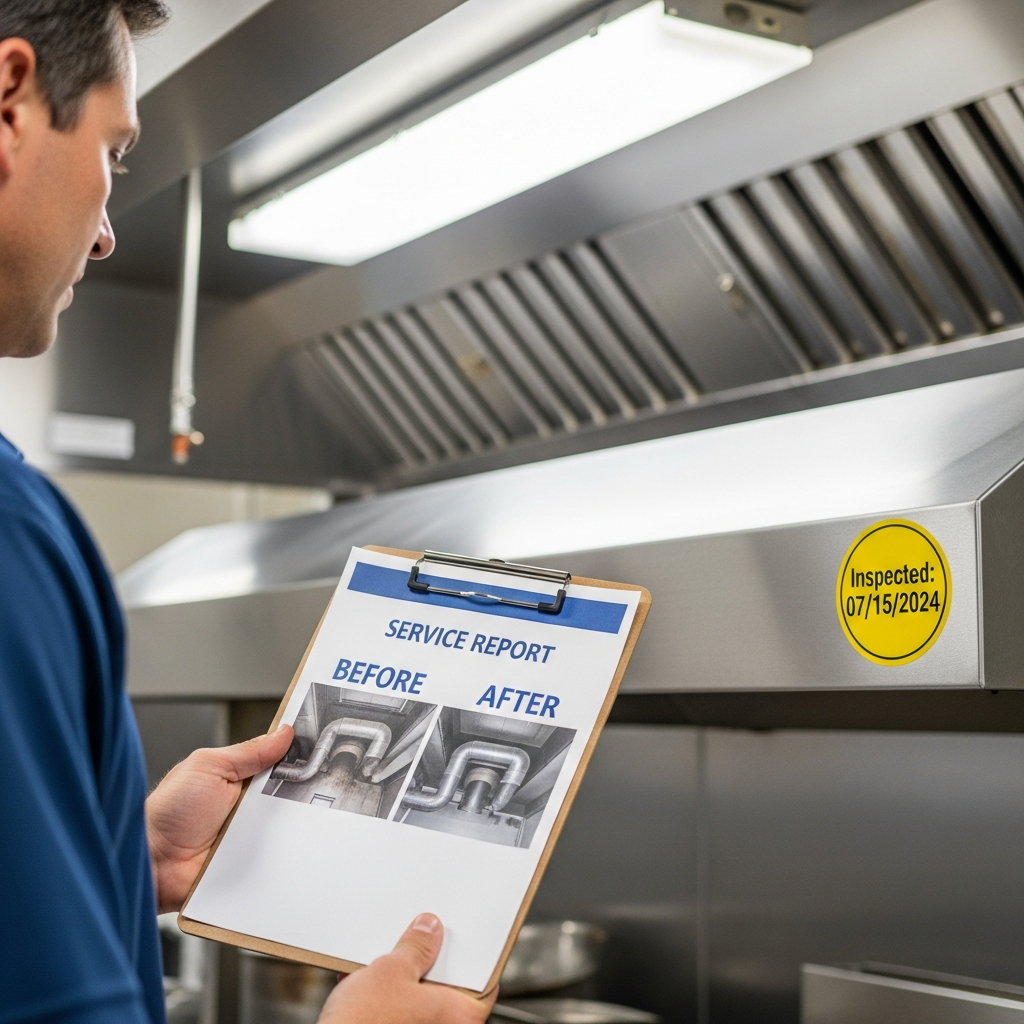
Inspectors in Elizabeth typically expect that your hood, plenum, ducts, and rooftop fan have been cleaned to bare metal where practical and that fresh, dated service stickers are visible on each hood. They may also ask to see a recent service report with before-and-after photos, a list of areas serviced, and any deficiencies. If an inspector sees heavy deposits, missing access panels, or inadequate grease containment on the roof, they may require corrective actions and ask for proof of completion. The goal is risk reduction: without thorough, documented cleaning, grease accumulates and can ignite during normal cooking operations.
Expect attention to the complete system, not just the visible canopy. Duct risers, long horizontal runs, elbows, and the fan housing can all hold significant deposits. If access panels are missing or improperly sized, a provider cannot reach all surfaces. In such cases, inspectors may require installation of code-compliant panels before the next cleaning cycle is considered complete.
Frequency Requirements by Cooking Category
While local authorities have final say, a common framework for frequency—aligned to NFPA 96 guidance—includes these categories:
- High-volume operations (heavy frying, charbroiling, wok cooking): often monthly cleaning.
- Moderate-volume operations (mixed menus with some frying/grilling): quarterly cleaning.
- Low-volume or seasonal operations: semiannual or annual cleaning, as appropriate.
- Solid-fuel cooking (wood, charcoal): often more frequent cleaning than standard high-volume due to sparks and embers.
These are starting points. The best interval is the one that keeps deposits within safe limits based on your actual production. Restaurants should expect to adjust frequency during the first year of operation, then revisit annually or whenever the menu changes significantly.
Documentation: Your Best Compliance Tool
Documentation proves your diligence and makes inspections efficient. A complete record for each service should include:
- Date and time window of cleaning, and the technician names.
- Identification of each hood, duct run, and fan serviced.
- Methods used (scraping, chemical degreasing, hot rinse/steam) and any limitations due to access or safety concerns.
- Clear before-and-after photos of ducts, fans, and the hood interior.
- Recommendations for corrective actions, such as installing access panels, hinge kits, or improved grease containment.
- Suggested next service date based on grease levels observed.
Keep reports with your permits and inspection records. Service stickers should match the report dates. If an inspector asks for proof, quick retrieval demonstrates a well-managed operation and reduces the chance of extended scrutiny.
Access Panels and Hinge Kits: Why They Matter
Thorough cleaning depends on safe access. Ducts should have access panels at proper intervals and near each change in direction, allowing technicians to reach interior surfaces with tools and rinse equipment. Rooftop exhaust fans benefit from hinge kits that let the housing lift safely for cleaning and inspection without straining wiring or grease lines. Without hinges, fans may be improperly lifted or not fully opened, leading to incomplete cleaning and potential roof damage. In Elizabeth’s multi-tenant buildings and older structures, upgrades like panels and hinges are common corrective actions after an initial survey.
Grease Containment and Rooftop Protection
Adequate grease containment on the roof protects membranes, reduces slip hazards, and prevents environmental issues. Inspectors may flag roofs stained with overflow or clogged containment systems. Your provider should set up an appropriately sized containment solution and check it during each visit. Staff should visually inspect the area between visits, especially after storms or peak periods. Early intervention prevents costly roof work and supports a cleaner, safer facility overall.
Setting the Right Frequency for Your Elizabeth Kitchen
Rather than guessing, base frequency on evidence. Ask your provider to photograph critical points inside the duct and fan housing at each visit and to estimate the rate of accumulation. If your new lunch menu adds heavy frying, consider a temporary tightening of the schedule to monitor impact. If volume drops seasonally, evaluate whether you can safely extend the interval without compromising compliance. Operators who actively manage schedules based on data tend to avoid both over-cleaning and risky delays.
Staff Habits That Reinforce Compliance
Professional service is essential, but daily and weekly staff routines keep grease under control between visits. Encourage these habits:
- Wash baffle filters regularly and verify they are fully dry before reinstalling.
- Wipe hood canopies and edges nightly to prevent sticky layers from hardening.
- Run exhaust fans before cooking begins and after shutdown to clear lingering vapor.
- Inspect grease cups and rooftop containment often; report overflow immediately.
- Train staff to note changes in smoke behavior and fan noise, and to escalate quickly.
These practices do not replace professional cleaning, but they slow grease buildup and improve outcomes at your next service. They also give managers timely indicators that the schedule may need adjusting.
Inspection Day: What to Expect
On inspection day in Elizabeth, be prepared to show your latest service report and allow the inspector to view hood stickers and, if requested, rooftop equipment. If an inspector finds heavy deposits or clear signs of neglect, they may require expedited service and follow-up verification. If the system is clean and well-documented, the process is typically straightforward and brief. Maintain calm, answer questions clearly, and offer to provide reports via email if needed.
Common Deficiencies and How to Correct Them
Several issues routinely arise in commercial kitchens:
- Missing or poorly located access panels that prevent full duct cleaning.
- Rooftop fans without hinge kits, leading to unsafe lifting and incomplete cleaning.
- Damaged or saturated grease containment materials on the roof.
- Bent or broken baffle filters that reduce capture efficiency and allow more grease into the duct.
- Evidence of overflow in grease cups or at duct seams, suggesting excessive accumulation.
Address these promptly. A competent provider can install panels and hinges, replace or recommend filters, and design a containment setup that fits your roof. Document each correction and keep the invoices and photos in your compliance binder.
Training Managers and Building a Binder
Train new managers on three essentials: your system layout, your cleaning frequency and vendor contact information, and your documentation storage location. Keep a binder—physical or digital—with the following sections: permits and licenses; service reports and photos; inspection stickers and dates; corrective action records; and contact lists for providers and building management. With this binder, any manager can handle an inspection even if the general manager is offsite.
Mid-Article Resource
To ensure your team understands the basics, review best-practice summaries of kitchen exhaust hood cleaning and how frequency aligns with your operation’s cooking load. Sharing this context helps staff make better decisions in real time.
Frequently Asked Questions
Q: Who determines my required cleaning frequency in Elizabeth? A: Local fire prevention officials have final authority, often referencing NFPA 96. Your provider can recommend a schedule based on observed buildup, but inspectors may require adjustments.
Q: What if my ducts are inaccessible? A: Install code-compliant access panels so technicians can reach all interior surfaces. Without access, cleaning is incomplete and documentation may be rejected.
Q: How do I prove cleaning occurred? A: Present the service report with photos, a list of serviced components, and updated hood stickers. Keep records for the life of your operation.
Q: Are rooftop hinge kits mandatory? A: While requirements vary, hinge kits are widely recommended or required to ensure safe, thorough cleaning and to protect wiring and roof surfaces.
Q: What counts as “clean to bare metal”? A: It means combustible grease deposits are removed to the underlying metal where practical. Minor discoloration may remain in seams but should not be greasy to the touch.
Q: Can I extend frequency if volume drops? A: Potentially, yes—if photo evidence and airflow performance support the change and your inspector agrees. Document reasons and monitor closely.
Q: What about solid-fuel cooking? A: Solid-fuel operations typically require more frequent cleaning and diligent ash management due to the presence of embers and high heat.
Q: How can I reduce grease accumulation? A: Keep filters clean and properly seated, maintain makeup air balance, and train staff on capture practices. Good airflow and clean filters limit what enters the duct.
Putting It All Together
Meeting kitchen exhaust hood cleaning requirements in Elizabeth, New Jersey is less about memorizing code subsections and more about building a repeatable rhythm: set a schedule based on your cooking load, maintain daily habits that support capture and cleanliness, document every professional service with photos, and correct access or equipment gaps quickly. When you do these things consistently, inspections become predictable moments rather than sources of stress, and your team operates in a safer, more comfortable environment.
Ready to Strengthen Your Compliance Program?
Protect your team and your business by scheduling professional kitchen exhaust hood cleaning aligned with Elizabeth, New Jersey requirements. Confirm that your documentation is complete, your access is adequate, and your frequency matches your menu so you remain inspection-ready all year long.
