Kitchen exhaust systems do more than clear smoke and heat; they are essential fire-safety components governed by standards and local enforcement. In Elizabeth, New Jersey, operators are expected to maintain hoods, ducts, filters, and fans to meet nationally recognized benchmarks and to document their efforts. Understanding the requirements helps you plan cleaning intervals, choose qualified providers, and prepare for inspections. This guide explains the core standards, how they apply to different cooking operations, and the practical steps you can take to stay compliant and safe. If your team needs help implementing a full-system plan, consider scheduling professional kitchen exhaust hood cleaning to address areas beyond routine staff maintenance.
Standards that shape local expectations
While municipalities adopt and enforce regulations, the technical backbone for kitchen exhaust cleanliness is typically derived from NFPA 96, the Standard for Ventilation Control and Fire Protection of Commercial Cooking Operations. Health departments, fire marshals, and building officials reference this standard to evaluate cleanliness, access, and documentation. The standard emphasizes preventing grease accumulation to a level that could support ignition, ensuring adequate access for cleaning, and maintaining devices like fans, dampers, and fire suppression components.
Defining clean: what inspectors look for
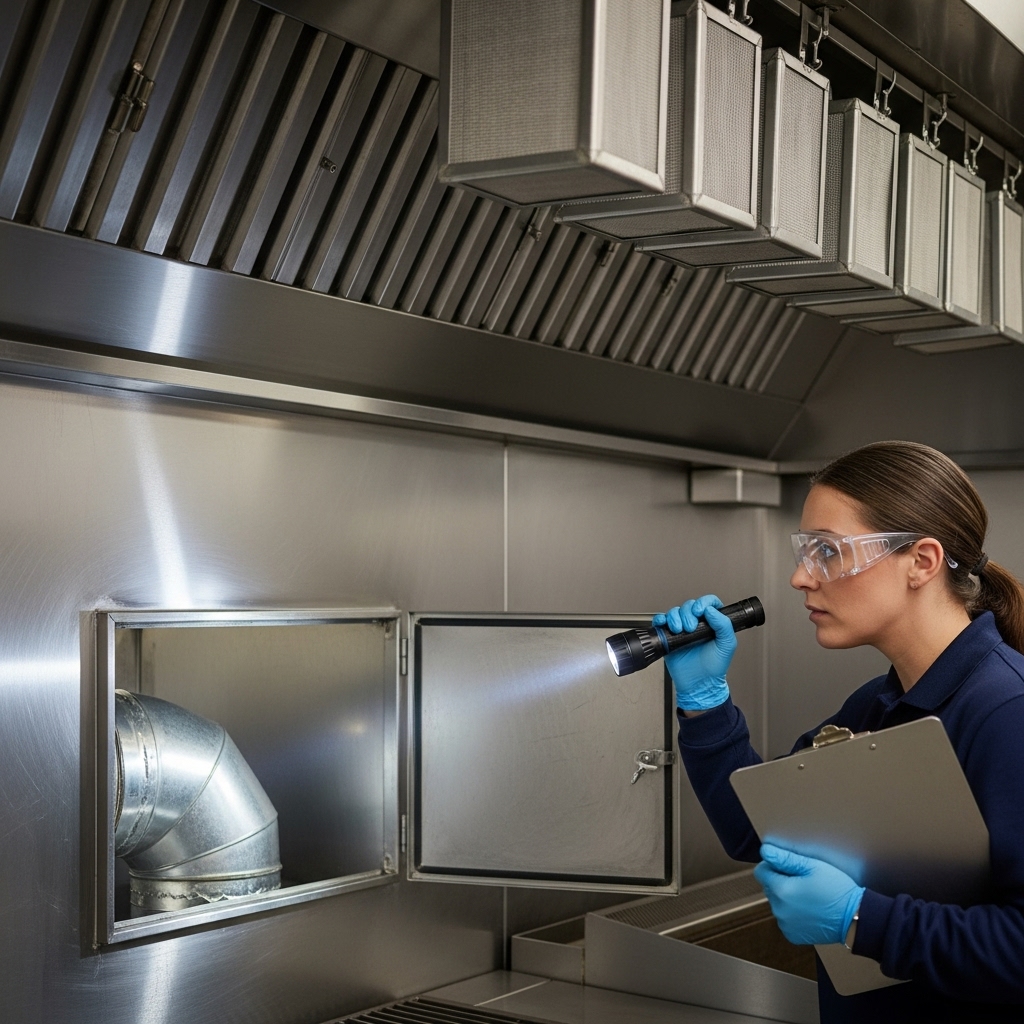
Inspectors generally evaluate three factors: visible grease thickness, access for cleaning, and records. Acceptable cleanliness means surfaces are free of hardened residue and heavy films, not just wiped at the edges. Inspectors may open access panels, check behind baffle filters, and evaluate the fan housing. They look for streaking, pooling, and saturated rooftop containment, all of which indicate the need for service. Documentation, including tags, logs, and reports with photos, helps prove that your system meets the standard at regular intervals.
Frequency requirements by cooking type
- High-volume solid-fuel and deep-frying operations: often monthly cleaning of ducts and fans, with daily or near-daily filter service.
- Moderate grills, griddles, and ovens: typically quarterly duct and fan cleaning.
- Low-volume or seasonal operations: semiannual or annual service may suffice, but only if inspections confirm low accumulation.
These ranges are starting points. Your actual schedule should be set by observed accumulation and your inspector’s guidance. Seasonal changes in Elizabeth—like winter comfort foods and summer festivals—can shift volume and grease output, so reassess at least quarterly.
Access panels and safe entry
NFPA 96 calls for access panels on ducts at regular intervals and at each turn, so technicians can inspect and clean thoroughly. Panels must be grease-tight with proper gaskets. If your system lacks access, a qualified provider can install panels, which facilitates cleaning and reduces the chance that sections of the duct remain untreated. During inspection, missing access is a frequent citation because it prevents verification of cleanliness.
Hood, plenum, and filter expectations
Hood canopies and plenums must be free of excessive grease, and baffle filters should be sized and installed to prevent bypass. Filters must be noncombustible and cleanable. Drip trays and troughs should be intact and emptied regularly. If inspectors find wet, overflowing troughs or filters installed with arrows down, they will typically document the deficiency and require correction, as it indicates poor maintenance and elevated risk.
Fan housings and rooftop containment
Exhaust fans should operate smoothly without excessive vibration. Hinged bases are required for safe maintenance, allowing the fan to tilt without stressing wiring or duct connections. Rooftop grease containment should capture runoff from the fan bowl so grease does not stain roofing or enter stormwater systems. Inspectors often check containment media; saturated pads must be replaced promptly.
Fire suppression and interlocks
Your fire suppression system and the exhaust fan are linked by design. When suppression activates, the exhaust continues to run to clear smoke, and fuel lines to appliances shut off. Cleanliness matters here: grease-laden ducts can accelerate fire spread. Inspectors verify current suppression tags, intact nozzle caps, and clearances. They also expect the exhaust fan to run whenever cooking appliances are operating, often via interlocks.
Chemical handling and wastewater
Degreasers used on filters and hoods must be appropriate for food-service environments and used per label directions. Wastewater from cleaning should be handled so solids do not bypass the grease trap. On the roof, never allow wash water to flow over the roof membrane. Instead, use absorbent containment and proper disposal methods. Responsible handling keeps you aligned with local environmental expectations and avoids costly cleanup.
Documentation: tags, logs, and reports
After professional cleaning, you should receive a service tag at the hood indicating the date, areas serviced, and the provider’s contact information. Many providers also supply a report with before-and-after photos and noted deficiencies such as missing access panels or worn fan belts. Keep these documents organized and readily available. For in-house work like filter cleaning, maintain a simple log with dates, initials, and notes—inspectors appreciate evidence of control.
Choosing qualified providers
Look for companies with trained technicians who can demonstrate knowledge of NFPA 96, safe access, and rooftop containment. Ask for sample reports, references in the Elizabeth area, and proof of insurance. Confirm that the provider will open all access panels, clean to bare metal where required, protect adjacent areas, and leave the site clean. A provider that documents defects helps you plan repairs before small issues become hazards.
Indicators you are due for service
- Persistent cooking odors or a smoky line during normal operations
- Rapid filter loading despite proper cleaning practices
- Grease weeping from duct seams or access panel edges
- Fan vibration, squeal, or slow spin-up
- Saturated rooftop containment pads or grease staining on the roof
Residential versus commercial expectations
While this guide focuses on commercial operations, some residential settings—such as communal kitchens and multi-unit buildings with shared amenities—adopt similar practices for safety. However, commercial codes and enforcement apply most directly to restaurants, cafeterias, caterers, and institutional kitchens in Elizabeth. If you are unsure which rules govern your space, consult local authorities or a qualified service provider.
Consequences of noncompliance
Beyond the obvious fire risk, noncompliance can lead to violations, mandatory corrective actions, and temporary shutdowns. Insurance policies may also require documented maintenance; lacking it could complicate claims after an incident. The simplest path is a proactive plan with routine inspections, in-house filter cleaning, and scheduled professional service tailored to your cooking volume.
Putting it all together
Combine staff-driven filter care with scheduled professional cleanings to maintain bare-metal standards in ducts and fans. Keep a visible binder or digital folder of tags, logs, and reports, and review it monthly. This approach not only satisfies inspectors but also supports quieter, cooler, and more efficient kitchens—benefits your team will notice immediately.
FAQ
Q: How do I determine my cleaning frequency? A: Start with the NFPA 96 guidance by cooking type, then adjust based on observed accumulation and inspector feedback.
Q: What proof do I need after service? A: A hood tag with the service date plus a written report and photos of key components like ducts, access panels, and the fan.
Q: Are aluminum filters acceptable? A: Noncombustible, cleanable filters are required; stainless steel baffles are most common and durable for commercial use.
Q: Do I need rooftop containment? A: Yes, where grease-laden exhaust exits on the roof, containment pads or boxes help prevent environmental damage and citations.
Q: Who installs access panels if I do not have them? A: Qualified providers can install grease-tight, gasketed panels to meet access requirements and enable thorough cleaning.
Plan your next steps in Elizabeth
If your records are outdated or you have noticed signs of buildup, book comprehensive kitchen exhaust hood cleaning and align your maintenance schedule with your actual cooking volume. With documented service, proper access, and trained technicians, you will meet requirements confidently while protecting your staff, guests, and investment.
