Why Dryer Vent Cleaning Matters in Elizabeth, New Jersey
If you live in Elizabeth, New Jersey, you know how quickly laundry piles up after rainy days, chilly winters, and humid summers. Behind every clean load is a dryer that works hard to vent warm, moist air safely outdoors. When lint, dust, and debris build up inside that vent, you risk longer dry times, wasted energy, and potential fire hazards. Whether you own a single-family home near the Waterfront, a condo downtown, or a multifamily property in Midtown, learning how to perform effective dryer vent cleaning can make a noticeable difference in safety and performance. If you ever feel uncertain or discover an issue beyond basic maintenance, pairing DIY care with periodic professional support, such as dryer vent cleaning, keeps your system running at its best.
This guide walks you through the entire process, from preparation and safety to step-by-step cleaning for both the dryer and the duct run. You will learn how to identify warning signs, what tools to use, how to navigate common Elizabeth housing layouts, and how to confirm your results when you are done.
Safety First: Precautions Before You Begin
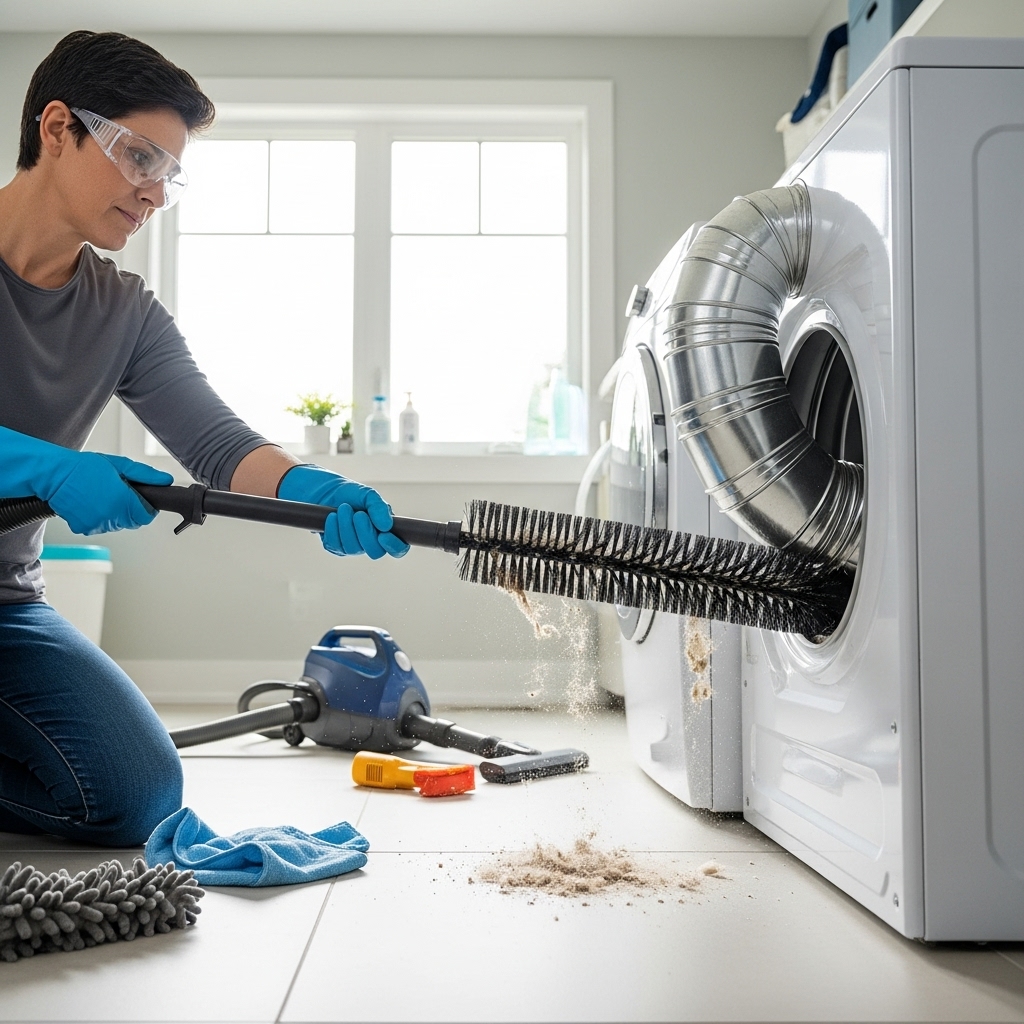
Dryer vent cleaning is straightforward, but safety always comes first. Start by unplugging the dryer from its electrical outlet. If you have a gas dryer, turn the gas valve to the off position before moving the appliance. Avoid working alone if the dryer is heavy or located in a tight space. Wear a dust mask or respirator, safety glasses, and gloves to protect yourself from lint, dust, and sharp edges on metal ducting.
Make sure the laundry area is well-lit. Keep a flashlight nearby for inspecting the vent path. If your exterior vent terminates on a roof or a high wall, avoid risky ladder work during windy or icy conditions common in New Jersey winters. Plan roof access only if you are confident in ladder safety and have a spotter. Otherwise, clean from the interior and exterior wall termination that you can safely reach from ground level.
Tools and Materials You Will Need
You can clean a dryer vent effectively with a few common tools. A vacuum with a crevice or brush attachment helps remove lint around the lint screen cavity and behind the dryer. A dryer vent brush kit with flexible rods allows you to scrub the interior of the duct. Many kits attach to a cordless drill to rotate the brush for better scrubbing power. Have a screwdriver suitable for your hose clamps or a nut driver for band clamps. Keep a microfiber cloth for wiping surfaces and a flashlight for inspecting progress. If your vent uses foil tape, keep a small roll on hand to reseal joints as needed. Avoid using duct tape on dryer ducts; foil HVAC tape is a better choice for heat and air sealing.
If your existing connector between the dryer and the wall is thin vinyl or plastic, plan to replace it with a UL-listed flexible metal connector. Vinyl connectors are not recommended because they can melt or contribute to fire spread. Make sure clamps are in good condition. If they are rusted or loose, replace them to ensure a snug, air-tight fit when you reassemble everything.
Understand Your Vent Path
Before you start, learn how the vent runs from the dryer to the exterior. In many Elizabeth homes, the dryer is located along an interior wall or in a basement laundry nook. The duct may snake around joists before exiting on a side wall. In some multifamily buildings, the dryer may share a utility wall where the vent must run up through a ceiling cavity and exit at a higher height. Knowing the route helps you anticipate elbows, long horizontal sections, or transitions where lint often accumulates.
Find the exterior termination hood. It typically has a flap or louver that opens when the dryer is on. If you notice a bird guard, check that it is clear of lint. The exterior hood is a key inspection point both before and after you clean; it tells you whether airflow is strong and unobstructed.
Step One: Prepare the Area and the Appliance
Clear space around the dryer so you can safely pull it away from the wall. Place a towel or cardboard on the floor to protect surfaces. Unplug the dryer. If it is gas, turn the valve off. Carefully pull the dryer out to access the connector. Take a moment to vacuum dust and lint behind and under the appliance. Removing this debris keeps it from getting drawn into the vent during cleaning and improves general hygiene around the laundry area.
Remove the lint screen and vacuum both the screen and its cavity. Lint often hides along the sides of the slot where the screen sits. A small brush or crevice tool helps. Keeping this area clean improves airflow before air even enters the vent.
Step Two: Disconnect the Flexible Connector and Inspect
Loosen the clamps at both ends of the flexible connector that runs from the dryer outlet to the wall or ceiling duct. Gently twist to free the connector without crushing it. Inspect the inside of the connector. If it is damaged, kinked, or bent sharply, replace it. Kinks create turbulence and trap lint. If the connector is flexible foil or metal and in good shape, you can reuse it after cleaning. If it is plastic or vinyl, plan to upgrade to a safer material.
Hold a vacuum nozzle at the wall or ceiling duct opening and gently remove loose lint at the entrance. Do the same at the dryer outlet. Never use screws that protrude into the airflow to attach duct pieces; those screws catch lint and can become a hazard. Clamps are the preferred fastening method at the appliance and wall connections.
Step Three: Clean the Duct from the Interior
Assemble your vent brush rods and insert the brush into the wall duct opening. If your kit includes a drill adapter, use low speed and steady pressure. Rotate the brush while advancing slowly through the duct. If you feel resistance at an elbow, reduce speed and carefully work through the bend. Periodically pull the brush back to remove lint and vacuum what you withdraw. Proceed until you reach the exterior termination, then reverse and pull lint back toward the interior where you can vacuum it safely.
If you cannot reach the full length from inside, switch to the exterior after cleaning as much as you can. At the exterior hood, remove the cover if it is easy and safe to do so. Insert the brush and work it back toward the interior to meet the section you already cleaned. The goal is to clear the entire length and reduce lint hang-ups at seams and elbows.
Step Four: Clean the Exterior Vent Hood
The vent hood is your last line of defense against pests and weather. Lint gathers at the flap edges and screen guards, reducing airflow. Use a brush or cloth to remove lint and check that the flap moves freely. If the hood has a removable screen, clean it thoroughly. In coastal and riverfront areas around Elizabeth, humidity can make lint sticky; be thorough so the flap reseals easily when the dryer turns off.
Confirm that the hood is properly attached and sealed to the siding or masonry. Gaps invite drafts and pests. If you spot cracks or chips, address them to prevent moisture intrusion into the wall assembly. Good sealing helps keep your laundry room comfortable and reduces energy waste.
Step Five: Reassemble and Test Airflow
Reconnect the flexible metal connector using snug clamps. Avoid sharp bends behind the dryer. A gentle sweep helps keep airflow smooth. Push the dryer back into position without crushing the hose. Plug the dryer back in. If gas, turn the valve on and sniff carefully for any gas odor; if present, turn it off and call a licensed professional immediately.
Run the dryer on air-only or a no-heat cycle for a couple of minutes. Go outside and observe the vent hood. The flap should open fully and remain steady. Airflow should feel strong. If the flap barely moves or you feel weak airflow, there may be a hidden obstruction, a sagging duct, or excessive total run length. At that point, consider a deeper inspection or schedule professional help. Midway through your maintenance year, many homeowners add a pro visit for thorough system tuning, including rotary brushing from both ends and airflow verification. If you choose help, look for local providers experienced in Elizabeth homes who offer comprehensive dryer vent cleaning paired with safety checks.
Common Signs Your Vent Needs Cleaning
Watch for longer dry times, clothes that feel unusually hot, a burning smell, or a laundry room that warms up excessively during cycles. Lint buildup around the exterior hood, a flap that sticks, and a lint screen that fills rapidly are also signals. If your dryer shuts off due to overheating, stop and inspect the vent immediately.
In households with pets, lint and hair combine to form dense mats inside ducts. Big family loads, heavy towels, and bedding create more fibers and moisture that cling to duct walls. Plan to clean more frequently if you run the dryer daily or if your vent path is long with several elbows.
Elizabeth, NJ Specific Considerations
Local weather patterns influence dryer performance. In humid summers, moisture condenses more readily inside cooler duct sections, causing lint to stick. In winter, frigid air at the exterior hood can create temperature shock that slows flap movement. If your laundry is in a basement, inspect for low points where condensation drips inside a duct. Slight upward pitch toward the exterior helps keep moisture moving out.
Older homes may have nonstandard duct sizes or legacy materials. If you find flexible white plastic or small-diameter ducts, plan an upgrade to a smooth-walled metal duct sized appropriately for your dryer. Building codes typically call for specific duct lengths and elbow counts; while you are not rewriting your system today, awareness helps you plan improvements.
Dealing with Stubborn Blockages
Sometimes a dense clog forms near an elbow or at a bird guard. Work the brush slowly and use short strokes to chew through the plug. Vacuum often to keep loosened lint from resettling. If the brush catches firmly, stop and reassess to avoid damaging the duct. Remove the exterior hood if necessary to access the blockage from both sides. If you suspect a bird nest or rigid obstruction, avoid forcing the brush; you can cause a tear or push debris deeper. That is a moment to pause and schedule qualified help.
After-Cleaning Performance Checks
With the dryer running on a heat cycle, note the time it takes to dry a standard load. Compare to your before-cleaning experience. You should see shorter cycles and more consistent temperatures. Listen for unusual rattles that could indicate a loose connector or a brush rod left behind. Check the area around the dryer for warmth that feels excessive; if present, confirm that the connector is not crushed and that the lint screen is seated correctly.
Inspect the exterior hood again after a heated cycle. The flap should open fully and close promptly when the dryer stops. If it sticks open, clean the hinge and edges again. Good closure prevents cold drafts in winter and keeps pests out.
How Often to Clean
For most Elizabeth households, plan a thorough vent cleaning every six to twelve months. Busy families, pet owners, and short-vent systems with screens at the hood may need more frequent attention. Mark your calendar seasonally: a mid-fall cleaning prepares you for heavy winter laundry, and a mid-spring check clears lint before humidity rises. Also clean the lint screen after every load and the lint screen cavity monthly.
Benefits Beyond Safety
Regular vent cleaning saves time, reduces wear on fabrics, and lowers energy use. Shorter cycles are gentler on clothes and cut down on repetitive tumbling. Your dryer’s heating element and sensors work less hard, extending appliance lifespan. A clean vent also reduces humidity spikes in your laundry area, improving comfort and discouraging mildew.
Frequently Asked Questions
Q: Can I clean a long vent run by myself? A: Yes, but it requires patience. Use a rotary brush kit with enough rods to reach the full length, and work from both interior and exterior if possible. If elbows are numerous, proceed slowly to avoid snagging. If you cannot reach a portion or airflow remains weak, call a professional.
Q: Is it safe to use a leaf blower to clear lint? A: It can be messy and may compact lint into stubborn clumps if used incorrectly. Blowers can also force debris into the exterior hood screen and trap it there. Mechanical brushing combined with vacuum extraction is more controlled and thorough.
Q: What about using a shop vacuum from the outside only? A: Suction helps, but brushing is needed to break lint off duct walls, especially in humid climates where lint adheres tightly. Use a combination of brushing and vacuuming for best results.
Q: How do I know if my connector is too long? A: If there is excess slack that loops or sags behind the dryer, trim it to the minimum length that allows you to pull the appliance forward for maintenance. Avoid tight bends; aim for a smooth, gentle arc.
Q: Can I screen the exterior hood to keep pests out? A: Many hoods include a bird guard or louvers. If yours uses a fine mesh, check it frequently because it can clog with lint. Choose a guard designed for dryer use, and make sure it does not restrict airflow.
Q: What should I do if I smell burning? A: Stop the dryer immediately, unplug it, and inspect the lint screen, connector, and duct. If you cannot locate and remove the obstruction or if odor persists, contact a qualified technician to assess and clean the system thoroughly.
Q: Do newer dryers with moisture sensors still need vent cleaning? A: Absolutely. Sensors improve drying control, but they do not eliminate lint. Any dryer that exhausts air through a duct requires regular vent maintenance.
Ready to Improve Dryer Safety in Elizabeth?
If it has been a while since your last cleaning, set aside time this week to follow these steps. Gather your tools, clear the space, and restore smooth, safe airflow from the dryer to the outdoors. When you want added peace of mind, schedule a local expert visit to complement your DIY efforts with comprehensive inspection and brushing. Take the easy next step by connecting with trusted dryer vent cleaning specialists who understand Elizabeth homes and can help you maintain a safer, more efficient laundry routine.
