Understanding the full dryer vent cleaning process helps Elizabeth, New Jersey homeowners know what to expect, how to prepare, and how to maintain peak performance between professional visits. A great service is more than running a brush through a duct; it is a systematic approach that evaluates the entire path from the lint screen to the exterior termination. This guide walks you through each stage, outlining the tools, safety checks, and verification steps that define a thorough job. If you are starting your research, it is useful to remember that well-executed dryer vent cleaning supports faster dry times, reduces heat stress on your appliance, and contributes to a safer home.
In Elizabeth’s diverse housing stock—historic homes, townhouses, and multifamily properties—the vent routing can vary dramatically. Some runs are short and straight to a side wall; others travel up through an attic or to a roof termination. The process adapts to each scenario while following core principles: protect the home, clear the pathway efficiently, verify the results, and share findings so you can make informed decisions about maintenance and, if needed, improvements.
Step 1: Pre-visit preparation and intake
Great outcomes begin before the tools come out. A professional will ask about your dryer model, the location of the laundry area, how long loads take, and when the vent was last serviced. If access requires moving furniture or working in a tight closet, they will plan how to protect surfaces. You can help by clearing the immediate area and identifying the exterior termination location. This brief prep ensures the technician can start efficiently upon arrival.
Step 2: Site protection and appliance handling
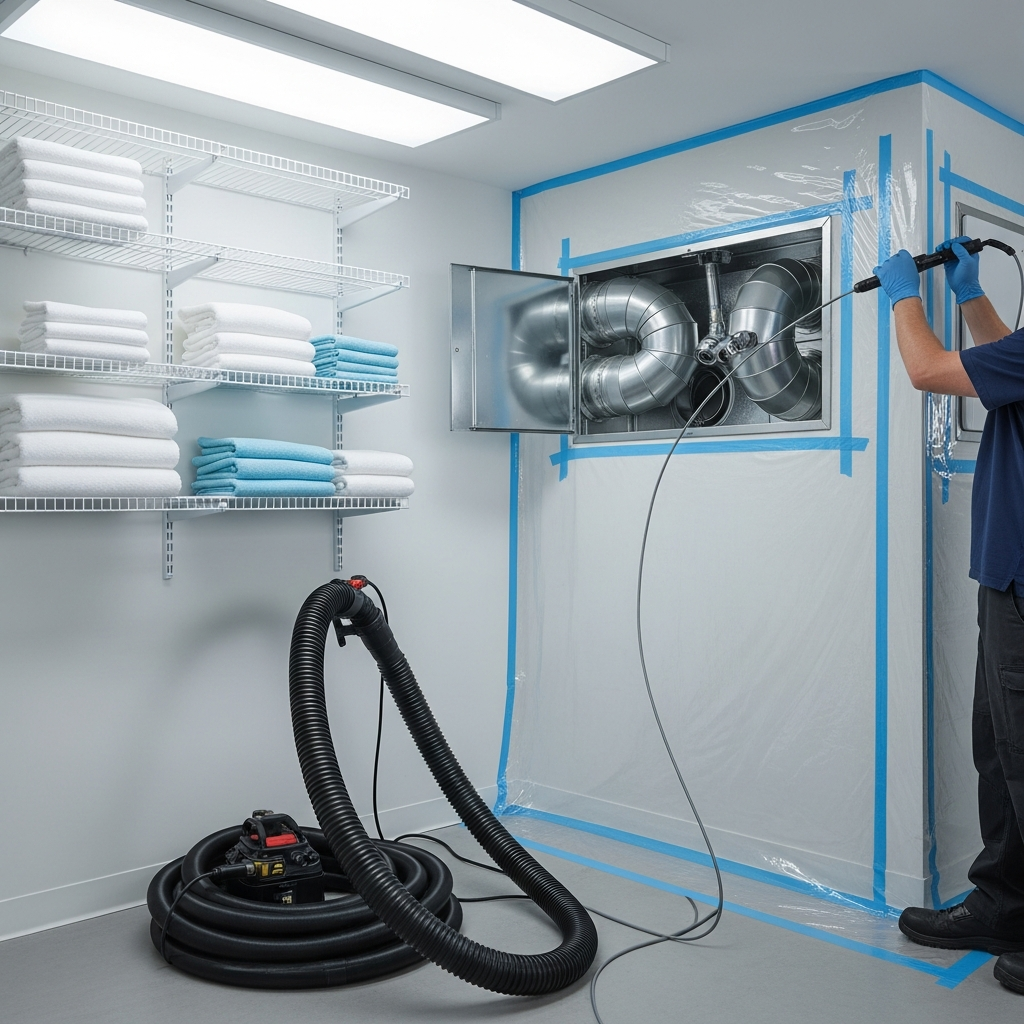
On arrival, technicians protect floors and walls, confirm electrical or gas shutoffs as appropriate, and carefully move the dryer to create safe working space. In tight closets or stacked configurations, they take extra care to avoid straining connections or crushing the transition duct.
Handling the transition duct is critical. Many performance problems begin here, where a sharp bend or an old, flimsy connector can throttle airflow. Pros evaluate the transition path, recommend safer materials if needed, and ensure that once cleaning is complete the dryer will slide back without pinching the duct.
Step 3: Pathway mapping and inspection
Next comes confirming the vent route: length, number of elbows, material type, and termination style. The technician may perform a quick airflow reading to establish a baseline. They look for potential pinch points, crushed sections, or outdated materials. In Elizabeth’s older homes, a mix of materials or improvised connections is not uncommon; identifying these early helps tailor the cleaning plan and avoid surprises mid-job.
Step 4: Mechanical cleaning of the vent
Mechanical cleaning relies on a rotary brush or whip system connected to a powerful vacuum that captures dislodged lint. The toolset is chosen to match the duct’s material and shape, minimizing abrasion while effectively sweeping the interior. For long or complex runs, the technician may work from both the appliance side and the exterior termination to ensure complete coverage.
During this stage, it is normal for technicians to pause and verify progress—checking for consistent debris capture, confirming the brush is passing elbows, and ensuring the duct is not shifting or leaking. Any unusual resistance can indicate a severe blockage, a sharp elbow, or a deformed section that needs careful attention.
Step 5: Exterior termination service
The outside end of the system is the gateway for exhaust. A partially stuck damper, clogged screen, or nest can act like a closed door, sending moisture and heat back into the duct. The technician ensures the damper opens freely and clears obstructions. In regions with active wildlife, a properly designed guard may be present; it should allow full airflow and require easy maintenance access.
Step 6: Camera or visual verification
Where appropriate, a small inspection camera provides a view of elbows and joins that the human eye cannot otherwise access. The goal is not just to remove lint but to confirm cleanliness and spot any physical concerns—loose joints, punctures, or severe kinks. When combined with airflow readings, camera views help document the improvement and guide any small corrective actions that may deliver big gains.
Step 7: Reassembly and gentle routing
After cleaning, the dryer is reconnected with careful attention to the transition duct: it should be the right length—not too long to bunch up, not too short to pull—and it should maintain a smooth curve rather than a sharp bend. The dryer is leveled to prevent vibration and noise. The technician ensures that, when the dryer slides back, nothing crimps the airflow. These small details often separate an average result from an excellent one.
Step 8: Post-clean airflow test and demonstration
Measuring airflow before and after cleaning quantifies the improvement. At the exterior, you should feel a strong, warm exhaust during a timed drying cycle. Indoors, the dryer should operate with less heat accumulation around the appliance. Sharing these observations and any meter readings gives you confidence that the vent is performing well.
Homeowner tips to prepare for service
- Clear space around the dryer and along the anticipated work path.
- Identify the exterior termination so access is quick and safe.
- Remove delicate items from shelves near the laundry area.
- Plan for a brief appliance shutdown during handling and reconnection.
A little preparation can reduce the appointment time and help the technician focus on the work that matters most.
Common issues found in Elizabeth homes
- Crushed transition ducts from pushing the dryer too close to the wall.
- Long runs with multiple elbows in townhouses and multifamily properties.
- Old or improper materials, including plastic or vinyl sections that should be upgraded.
- Stuck exterior dampers due to weather, paint, or corrosion.
- Lint mats compacted by humidity during summer months.
Addressing these issues during the visit turns a routine cleaning into a long-lasting improvement. A modest adjustment—like replacing a transition duct or freeing a damper—can unlock substantial performance gains.
Midyear performance checks you can do
Between professional visits, observe the basics: clean the lint screen every load, keep the area behind the dryer clear, and take a moment once a month to check the outdoor exhaust while the dryer runs. If the airflow feels weak or the damper barely opens, consider booking professional dryer vent cleaning sooner than originally planned. Early intervention prevents heavier lint compaction and helps your dryer operate inside its intended temperature range.
Why process matters as much as tools
Although high-quality brushes and vacuums are essential, consistent results come from process discipline: protecting the home, confirming the pathway, cleaning methodically, verifying airflow, and documenting findings. This repeatable approach ensures each visit meets a high standard, regardless of your building type or the season.
Safety considerations during the appointment
- Proper handling of electrical or gas connections during appliance movement.
- Use of drop cloths and corner guards to protect finishes.
- Safe ladder practices for roof terminations, weather permitting.
- Containment and vacuum capture to prevent lint from circulating indoors.
Attention to safety signals professionalism. It also ensures that your household routine can resume quickly and confidently when the work is done.
Aftercare: keeping airflow strong
Once your vent is clean, keep performance steady with simple habits. Avoid overloading the dryer, which generates extra lint and heat. Do not push the appliance tightly against the wall; maintain a gentle curve in the transition duct. Launder pet bedding more frequently to reduce hair accumulation in the system. If you remodel, alert contractors to the vent path so they do not compress or reroute it without proper materials.
Frequently asked questions
- Do I need to be home during service? Being present helps with access and allows you to see the final verification.
- How long does cleaning usually take? It depends on run length, complexity, and access, but many homes can be completed in a single appointment.
- Will there be a mess? Professionals protect surfaces and vacuum thoroughly, leaving the area tidy.
- Can every vent be cleaned from the appliance side only? Some require dual-end access for best results.
- What if the vent runs to the roof? Technicians plan for safe exterior access as needed and weather allows.
- Is camera inspection always necessary? It is a valuable tool, especially for complex runs, but airflow testing and visual checks also confirm results.
- How often should I schedule service? Many households benefit from annual cleaning; heavy usage or long runs may require more frequent visits.
- What materials are recommended? Rigid or semi-rigid metal ducts are preferred over plastic or vinyl.
Bring professional clarity to your laundry routine
A transparent, step-by-step process turns a necessary chore into a smooth home improvement. If your dryer is slow, if the laundry room runs hot, or if it has been a while since your last service, schedule comprehensive dryer vent cleaning with a trusted local provider in Elizabeth. One well-executed visit can restore efficiency, protect your appliance, and simplify your weekly routine.
