Introduction: Troubleshooting Dryer Vent Problems in Elizabeth, NJ
When a dryer underperforms, the culprit is often airflow. In Elizabeth, New Jersey—where homes range from century-old Elizabethport rowhouses to modern condos and two-families in Elmora and Bayway—vent routes vary widely, and so do the problems that arise. Troubleshooting starts with a methodical approach: identify symptoms, isolate variables, and verify each fix before moving on. This guide explains how to diagnose and resolve common dryer vent issues so you can restore safe, efficient operation. If at any point the problem proves complex or access is limited, bring in specialists experienced in dryer vent cleaning to avoid damage and wasted effort.
Elizabeth’s climate plays a role. Humid summers can make lint sticky and slow to move, while winter’s cold can cause condensation inside ducts routed through unheated basements or exterior walls. Local wildlife and wind-driven debris can jam exterior hoods. Knowing these patterns helps you pinpoint the root cause faster and choose the right corrective action.
Symptom 1: Clothes Take Too Long to Dry
Long dry times are the classic sign of restricted airflow. Confirm basics first: clean the lint screen and wash it if softener residues make water bead on the mesh. Next, check the transition connector behind the dryer for kinks or crushing. Pull the dryer forward and vacuum loose lint below and behind the unit. Then move to the vent run itself. Brush from the interior side and, if accessible, from the exterior hood inward. Verify that the hood’s damper opens fully during operation; a damper that barely lifts signals a downstream clog.
If performance remains poor, suspect hidden restrictions: crushed elbows inside walls, long horizontal runs sagging in basements, or a roof cap jammed with debris. In Elizabeth’s older housing, piecemeal duct sections taped together can leak air and reduce effective flow while lint accumulates at the joints. At this stage, advanced cleaning or partial duct replacement may be needed to restore performance safely.
Symptom 2: Laundry Room Feels Hot or Humid
Heat and humidity in the laundry area point to exhaust that isn’t reaching the outdoors. First, verify that the vent does not terminate into an attic, crawlspace, or garage—this is unsafe and must be corrected. Ensure the exterior termination is clear, the damper moves freely, and there is no screen trapping lint. Then evaluate makeup air. Tight laundry closets may starve the dryer of intake air, lowering exhaust volume. A louvered door or a small transfer grille can help. If the duct passes through cold spaces, insulate accessible sections to reduce condensation that dampens lint and slows flow.
Moisture issues are common near Newark Bay and during summer thunderstorms. Damp lint forms heavy mats that cling to elbows and seams. Gentle, repeated brushing and thorough vacuuming are more effective than aggressive pushing that can separate joints and create leaks that warm the room even more.
Symptom 3: Burning Smell or Visible Lint at the Hood
A distinct burnt-lint odor is an alarm bell. Shut the dryer off and unplug it. Remove the lint screen and clean the cavity. Inspect the transition connector and the area behind the dryer for heavy lint. If the odor persists, lint may be near the heater housing, which requires opening the dryer cabinet—a task best handled by an appliance-savvy professional. Visible lint blowing from the hood during operation means the interior is likely loaded with debris; a comprehensive clean from both ends is needed to prevent ignition risks.
After cleaning, run the dryer on a short cycle while monitoring the exterior hood. The damper should open wide and the exhaust should feel robust. Any remaining odor suggests deeper cleaning or internal dryer service is required.
Symptom 4: Dryer Shuts Off or Trips Safety Devices
Modern dryers often include thermal cutoffs that trigger when temperatures soar due to restricted airflow. If your unit stops mid-cycle and resumes only after cooling, treat it as a vent problem until proven otherwise. Clean the entire route, confirm the damper opens fully, and verify the transition connector isn’t crushed when you push the dryer back. If the issue persists after a full vent service, investigate appliance-side issues like blower failure or sensor faults.
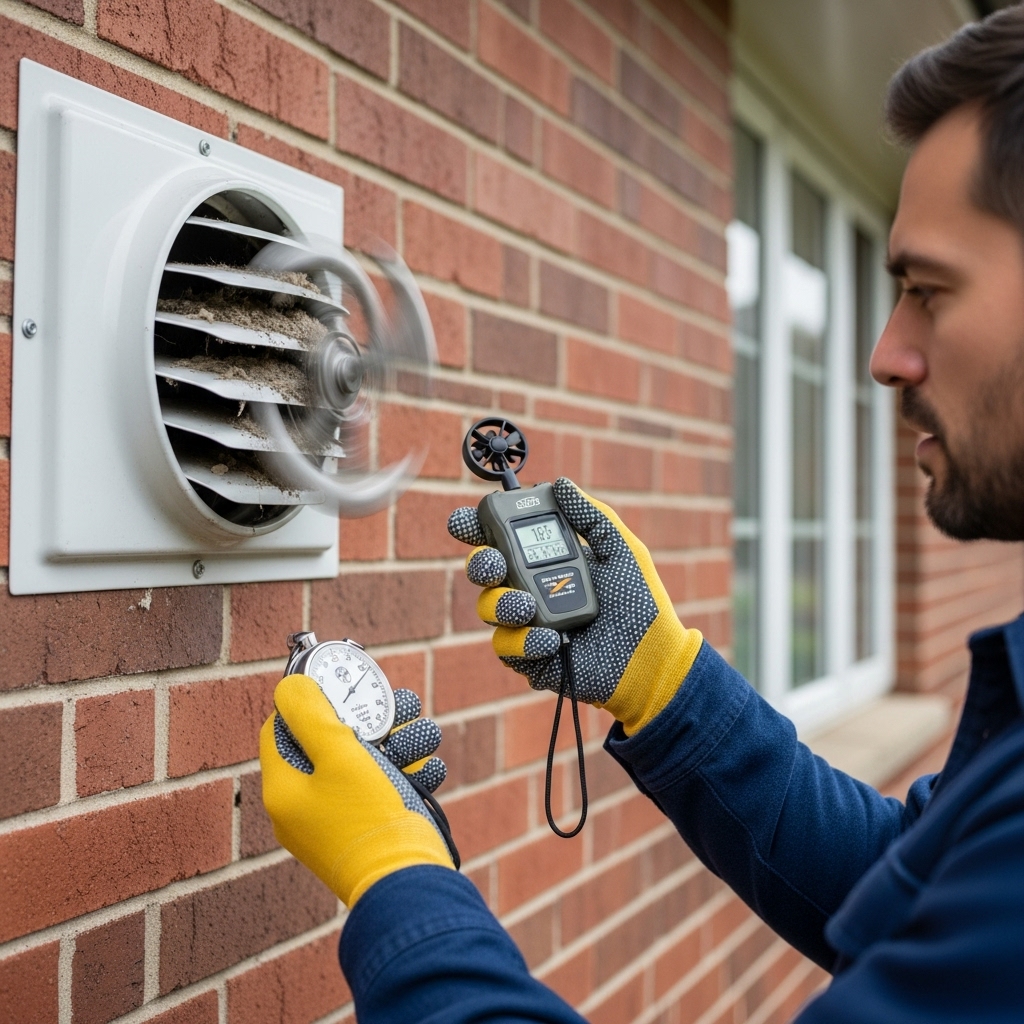
In multifamily buildings around Midtown or North Elizabeth, shared conditions can exacerbate overheating—tight closets, long vertical runs, and limited makeup air. These systems benefit from professional assessment with airflow measurements to distinguish between vent design limitations and appliance problems.
Symptom 5: Lint Returns Quickly After Cleaning
Rapid reaccumulation indicates either a partial clean that left downstream clogs or an exterior hood that isn’t functioning. Some hoods include screens that catch lint; these should be replaced with proper dryer terminations. Check for birds’ nests, particularly in spring. If your vent uses many elbows, expect to perform bi-directional cleaning—from inside and outside—to fully break up lint dams. Also reassess the route: long runs with too many bends may need reconfiguration to reduce resistance and keep lint moving out.
In basements of older Elizabeth homes, sagging horizontal sections create low spots where lint and moisture collect. Correct sags with proper supports at recommended intervals and, if possible, shorten the route with smoother geometry.
Root Cause Patterns in Elizabeth Homes
Local patterns repeat: crushed foil connectors behind stacked units, aging exterior hoods with stuck dampers in windy alleys, and roof caps packed with debris on mid-rises. Renovation dust mixing with lint is another frequent cause of stubborn clogs, especially after drywall work. Identifying these trends helps you anticipate problems and schedule preventive cleaning before symptoms escalate.
Weather is another factor. In winter, very cold ducts amplify condensation. In summer, wind-driven rain can carry fine debris into hoods. Both seasons can accelerate lint matting. Incorporate exterior checks into your troubleshooting routine to catch small issues early.
DIY vs. Professional Intervention
DIY methods are effective for simple, short runs with easy exterior access. A homeowner with a quality brush kit, vacuum, and patience can often resolve long dry times and weak airflow. But when the vent path includes roof terminations, multiple elbows, booster fans, or inaccessible sections behind finished ceilings, professional tools and training become crucial. Teams focused on dryer vent cleaning use rotary brushes, air whips, and high-powered vacuums to remove stubborn clogs without damaging elbows or joints, and they can document airflow improvements.
Safety is paramount. Working on roofs or near gas connections demands caution. If your troubleshooting points toward those areas, it’s wise to stop and bring in help rather than risk a fall, a gas leak, or damage to the ductwork.
Verification: Proving the Problem Is Solved
After any fix, verify. Run a typical load and confirm that it dries within a normal cycle. Feel for strong exhaust at the hood; the damper should open wide and stay steady. The laundry room should remain comfortable, without excessive heat or humidity. Periodically check behind the dryer to make sure the transition connector remains uncrushed after you push the appliance back into place. Keep notes on dry times and any odors—you’ll spot trends early and can schedule maintenance before issues recur.
In multifamily settings, request documentation after professional service. Before-and-after photos and airflow readings provide assurance to owners, managers, and tenants that the system is safe and performing as intended.
Frequently Asked Questions
Why does my dryer still take two cycles after I cleaned the vent? Either the cleaning missed a section—often an elbow—or there’s a design limitation like an overly long route. Revisit the exterior hood, confirm the damper opens fully, and consider a second pass from the opposite end. If results still lag, a professional assessment can reveal hidden defects.
Can I use a shop vacuum alone to clean the vent? A vacuum helps, but without a brush to scrape lint from interior walls and elbows, you may leave most debris behind. Use both for the best results.
Is a booster fan a fix for long runs? Booster fans can help but require proper selection, installation, and maintenance. They should be accessible for cleaning and powered down during service. Consider route improvements first; simpler ducts perform better and need less maintenance.
Are screens on dryer hoods okay to keep pests out? No. Screens trap lint and create chronic clogs. Choose a hood or cap designed for dryers with a damper and no mesh. If birds are an issue, select pest-resistant models intended for dryer exhausts.
How often should I troubleshoot or check my system? Perform a quick check each season: verify damper movement, assess exhaust strength, and inspect the transition connector. Conduct a deeper cleaning annually, or semiannually for heavy use or complex runs.
What if I rent and can’t modify the duct? Report symptoms immediately to your landlord or property manager. Provide clear notes on dry times and any odors. Responsible property teams schedule timely service to prevent appliance damage and risk.
Restore Safe, Efficient Drying
Persistent dryer issues are frustrating, but a structured troubleshooting approach brings clarity and results. Start with the basics, clean methodically, and verify each change before moving forward. When you confront complex layouts, roof terminations, or recurring blockages, lean on experienced local help. To get your system back to full performance with confidence, schedule professional dryer vent cleaning and enjoy safer, faster laundry days in your Elizabeth home.
