Keeping a dryer vent clear is one of the simplest ways to protect your home in Elizabeth, New Jersey from avoidable hazards while improving everyday convenience. When lint accumulates, the dryer works harder, cycles run longer, and temperatures rise. Good maintenance doesn’t require special expertise—just consistent habits, a few basic tools, and awareness of how weather and housing styles in Union County can influence airflow. Whether you live in a classic row house near Midtown, a garden apartment along Bayway, or a single-family home in Elmora, the practical tips below can help you keep lint under control and your laundry routine running smoothly. If you discover problems that exceed DIY boundaries, consider professional support for thorough dryer vent cleaning once you complete the basics here.
Start with the lint screen—your first line of defense
- Empty the screen before every load to prevent immediate restriction.
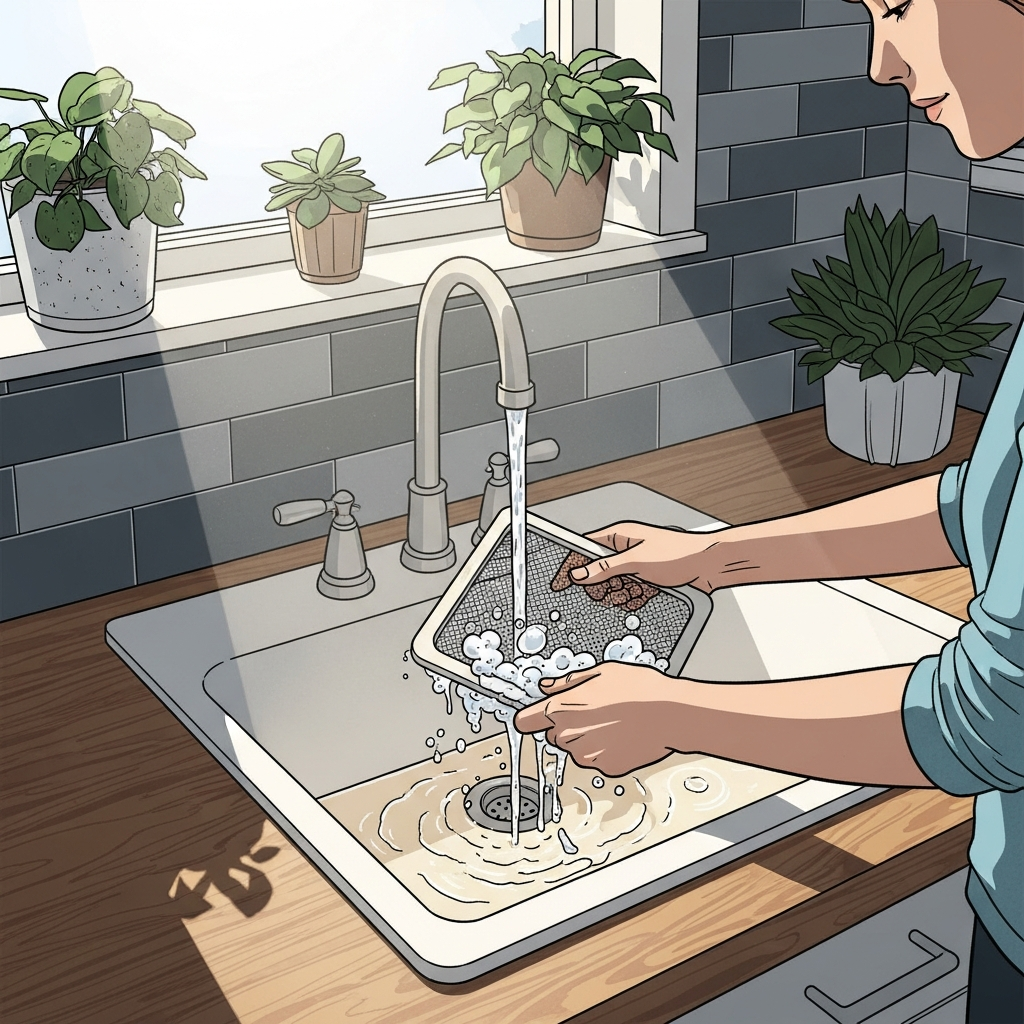
- Once a month, wash the screen with warm water and mild soap to remove invisible fabric softener film.
- Let the screen dry fully before returning it to the dryer.
Choose the right duct materials and layout
- Use rigid or semi-rigid metal ducting. Avoid plastic or thin foil hoses that crush easily and trap lint.
- Keep the route as short and straight as possible. Fewer elbows equal less resistance.
- Support long runs so they don’t sag and collect lint.
Vacuum and brush the vent on a regular rhythm
- Quarterly: Vacuum behind and under the dryer, and clear dust from the outlet grille.
- Semiannually: Use a brush kit to sweep the vent run from the inside and, if safe, from the exterior termination.
- Annually: Plan a more detailed inspection of the entire path, including the wall connection, clamps, and hood.
Watch for warning signs that show up in Elizabeth’s seasons
- Winter: Frozen dampers or snow-packed hoods restrict airflow; inspect after storms.
- Spring: Birds may attempt to nest at the termination; ensure the guard is intact.
- Summer: High humidity can make lint clump; check airflow at the hood and increase cleaning frequency if you run back-to-back loads.
- Fall: Leaves and yard debris may gather near ground-level terminations; keep a clear radius.
Smart laundry habits that reduce lint
- Shake out heavy lint producers—towels, fleece, pet blankets—before washing and drying.
- Clean the washer’s drain pump filter to reduce lint carryover to the dryer.
- Dry similar fabrics together so cycles end promptly, reducing heat build-up.
- Avoid overloading; packed drums shed more lint and slow airflow.
Interior connections: small adjustments, big results
- Replace a crushed transition hose with a semi-rigid model and keep bends gentle.
- Secure clamps snugly and seal joints with HVAC foil tape—not household duct tape.
- Ensure the dryer sits far enough from the wall to avoid kinks when you push it back into place.
Exterior termination: what to inspect
- Confirm the backdraft damper opens fully during operation and closes when off.
- Clean lint from louvers and guards; sticky residue can keep them from sealing.
- If a roof termination is used, assess it from the ground and only climb when conditions are dry and you’re confident in your footing.
Many Elizabeth homes have longer or more complex vent runs than ideal, especially in multifamily structures where the duct travels through interior chases. In those cases, stuck lint can accumulate deep inside turns you can’t easily reach. That’s a good time to consider scheduling professional dryer vent cleaning with equipment designed to reach and remove compacted debris while protecting the duct walls.
How to test airflow after basic cleaning
- Run the dryer on a no-heat cycle and step outside: you should feel a strong, steady flow at the hood.
- Indoors, with the lint screen removed briefly, hold a tissue near the opening to gauge suction; it should pull firmly. Replace the screen immediately after the check.
- Note drying time for a normal load. If it’s still running long despite a clean screen and duct, deeper obstruction may be present.
What not to do
- Don’t use screws that penetrate the interior of the duct; they snag lint.
- Don’t push a brush through too aggressively; you can separate joints or damage thin ducting.
- Don’t leave the dryer running when you’re away or sleeping, especially if airflow is in question.
Pet owners: special tips
- Brush pet bedding outdoors before washing to reduce lint and dander.
- Clean the lint screen mid-cycle when drying loads heavy with hair or fleece.
- Increase the frequency of vent brushing to keep clumps from forming in elbows.
FAQ
Q: How often should I clean the dryer vent in an active household?
A: Most homes benefit from annual cleaning, but families with frequent laundry or pets may prefer semiannual service to maintain airflow and safety.
Q: Is foil tape safe for sealing joints?
A: Yes, HVAC-rated foil tape is designed to withstand heat. Avoid cloth-backed duct tape, which degrades and peels.
Q: My dryer is hot to the touch—what does it mean?
A: Overheating can indicate restricted airflow. Start with the lint screen, then the transition hose, and finally the full vent run. If heat persists, stop and seek expert help.
Q: Can I vent a dryer into a garage or crawlspace?
A: No. Exhaust must go outdoors to remove moisture and lint safely.
Q: Do condo or co-op rules affect cleaning?
A: Many associations in Elizabeth have maintenance requirements and may restrict modifications. Check your bylaws before making changes.
Make laundry day easier and safer
Good dryer performance is not an accident—it’s the result of consistent, simple habits and seasonal awareness. If your checks suggest a deeper clog, complex routing, or hard-to-reach roof termination, bring in a local expert with the right tools and experience. For dependable results and lasting peace of mind, book a trusted dryer vent cleaning service and keep your Elizabeth home running efficiently throughout the year.
