Finding the Best Dryer Vent Cleaning Near Me in Elizabeth New Jersey
When you search for the best local help, you want more than a name on a map—you want a dependable partner who understands how Elizabeth New Jersey homes are built, how vents are routed through basements and attics, and what pitfalls to avoid. Starting your search with a focus on safety, airflow performance, and verifiable results is the surest path to success. Early in your evaluation, remember that professional dryer vent cleaning is not merely a box to check; it’s a critical maintenance task that shapes the reliability of your laundry routine and the wellbeing of your household.
The “best” choice blends technical skill with customer-centered service. That combination shows up in careful inspections, attention to detail at the termination hood, and a willingness to educate you on the condition of your system. As you compare providers, look beyond slogans and rating stars to the underlying practices that keep vents clean longer and dryers running at designed performance.
What Sets the Best Providers Apart
Leading specialists in Elizabeth New Jersey approach your vent system as a whole. They examine the transition duct behind the dryer, the in-wall or ceiling run, the number and tightness of elbows, duct material, and the exterior outlet. They verify that the duct route suits your dryer’s specifications, an often-overlooked step that can reveal inefficiencies built into the home. They also tailor methods to the home’s layout—what works for a garden-level unit may not be ideal for a three-story townhome.
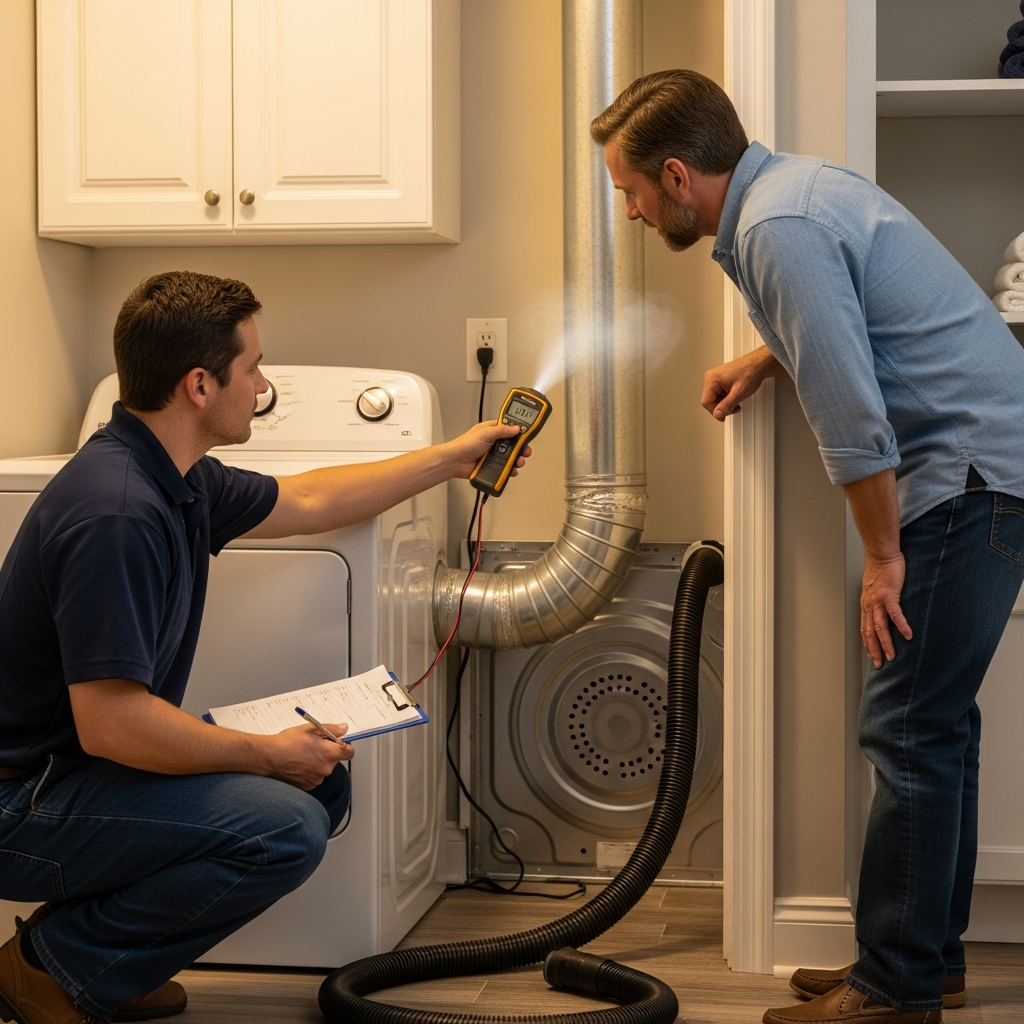
The best providers bring the right tools for the right job. Rotary brush systems with appropriate stiffness, high-suction capture, and air-sweep tools help clear lint while preventing indoor contamination. In addition, conscientious technicians measure airflow and visually confirm that the termination flap moves freely after the cleaning. This quality control closes the loop between effort and measurable results.
Local Factors That Influence Your Choice
Elizabeth New Jersey presents a variety of vent challenges: long horizontal runs through basements, roof terminations on multi-level homes, and tight laundry closets where moving the dryer is difficult. A pro who knows local building patterns can anticipate hidden elbows or legacy duct sections that collect lint. This familiarity reduces surprises, makes service more efficient, and increases the chance that underlying problems—like crushed transition ducts or obsolete materials—are corrected during the visit.
Seasonality matters too. Winter conditions can cool exterior duct segments, raising condensation risk and promoting sticky lint deposits. In the summer, humidity encourages musty odors when airflow weakens. A local expert plans around these variables and advises on inspection frequency tailored to your usage and home design.
How to Vet a Dryer Vent Cleaning Company
Start with how they describe their process. Do they explain how the dryer is safely moved and reconnected? Do they assess the transition duct for material quality and length? Will they clean from the appliance side, the exterior termination, or both? Look for a step-by-step approach that includes airflow readings before and after service, because numbers tell the story of improvement.
Ask about documentation. The best providers are transparent, noting observed issues and recommending corrections such as replacing a flimsy foil flex with a safer option or adjusting an excessively long transition hose. Their goal is not just to clean, but to leave you with a better, safer system.
Signs You Need Professional Attention Now
Slow dry times, a hot laundry room, a dryer cabinet that feels warmer than usual, or a burnt-dust odor are unmistakable red flags. Lint collecting around the exterior hood, a flap that barely opens, or visible lint on the wall behind the dryer also signal rising back-pressure. If you notice these signs, prioritize an inspection rather than attempting a quick DIY fix that may push lint deeper into the duct.
DIY Versus Professional Expertise
Brush kits have a place but work best on short, straight runs with easy access. In more complex Elizabeth New Jersey homes, where vents snake through floors or up to roof caps, DIY methods can miss hidden blockages and even damage fragile duct walls. Experienced technicians use equipment that adapts to changing duct diameter and tight bends, and they employ capture systems to control dust and lint inside your living area.
What a Thorough Cleaning Looks Like
A quality service includes safe appliance handling, inspection of the transition duct, agitation and removal of lint along the entire run, verification of the exterior termination, and final measurements or tangible evidence of improved airflow. You should also receive guidance on maintaining good habits—like cleaning the lint screen every load, avoiding overloading, and ensuring that storage items do not crush the transition duct behind the dryer.
Common Pitfalls to Avoid
Beware of quick surface cleanings that do not address elbows and concealed sections of duct. Avoid any solution that installs screens over the termination hood, as these can trap lint and negate the benefits of cleaning. Finally, be cautious about services that cannot explain how they verify results; a reputable provider backs their work with clear, understandable measurements or observations.
Frequently Asked Questions
Q: How often should I schedule cleaning in a busy household? A: Households with frequent laundry cycles—especially with towels, cottons, and pet hair—benefit from regular inspections and cleanings tailored to actual lint buildup and performance changes.
Q: Can vent design limit how clean the system gets? A: Some layouts with very tight elbows or long vertical climbs are more challenging, but professionals adapt tools and techniques to achieve meaningful airflow improvements.
Q: Will I notice immediate differences? A: Most homeowners see shorter dry times, quieter cycles, and cooler laundry-room temperatures after a thorough service.
Q: Is it safe to use foil accordion flex behind the dryer? A: Thin foil flex crushes easily, traps lint, and can overheat. Higher-quality, smooth-walled options are safer and maintain better airflow.
Q: What about birds nesting at the exterior hood? A: Nests should be removed, and the termination should be configured to discourage re-entry without obstructing exhaust flow.
Q: Do newer dryers eliminate the need for vent maintenance? A: No. Even advanced sensors cannot overcome the physics of a blocked duct. Regular maintenance remains essential.
Q: Can I rely on a vacuum alone to clean the vent? A: A household vacuum rarely reaches far enough or agitates lint stuck at elbows. Professional tools are designed for the task.
Making an Informed Decision
The best choice is the provider who treats your vent as a critical safety and performance system. They bring proven methods, communicate clearly, and leave your home running more smoothly. Their work keeps your laundry routine efficient, your energy use in check, and your dryer operating within safe temperature ranges.
Take the Next Step for a Safer, Faster Laundry Day
Don’t wait for longer cycles or warning signs to dictate your schedule. Book professional dryer vent cleaning and enjoy the confidence of a well-maintained exhaust system in your Elizabeth New Jersey home.
