Air Duct Repair Maintenance Tips for Elizabeth, New Jersey Homes
Well-maintained ductwork is the backbone of an efficient HVAC system, especially in Elizabeth, New Jersey where weather changes can be dramatic. Thoughtful maintenance reduces energy waste, improves indoor air quality, and extends the life of previous repairs. This guide offers practical tips to help you keep your ducts sealed, supported, and performing well all year. If you prefer professional help to evaluate and fine-tune your system, consider booking trusted air duct repair to address issues before they grow.
Start with a Seasonal Duct Inspection Routine
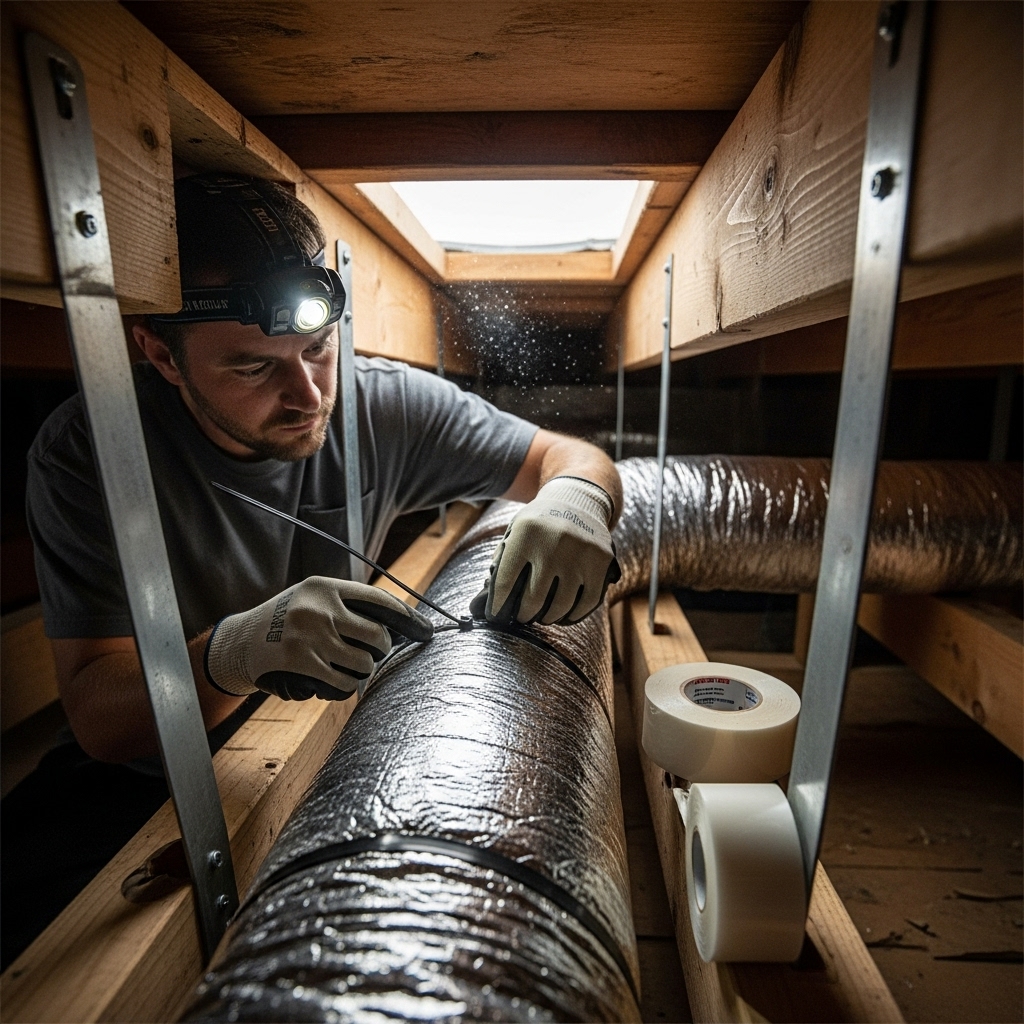
Twice a year—once before cooling season and once before heating season—do a structured walkthrough of accessible ductwork. Focus on attics, basements, crawl spaces, and utility rooms. Use a flashlight to follow supply and return lines, checking for loose joints, deteriorated insulation, or signs of moisture. Seasonal checks help you catch small problems early, keeping minor leaks from turning into major energy losses.
Protect and Refresh Past Repairs
Repairs don’t last forever unless they’re maintained. Mastic can crack if substrate movement is excessive or surfaces were dusty when sealed. Foil tape may lift at edges during temperature swings. Gently press down any lifting tape edges and reapply mastic where hairline cracks appear. If a previously repaired flex duct is sagging again, add supports to relieve strain on connections.
Mind the Return Side
Many homeowners focus on supply leaks because they feel them at registers, but return leaks are just as impactful. Return leaks pull dusty, unconditioned air into the system, adding strain on filters and reducing air quality. Inspect filter cabinets, return boots, and the plenum carefully, sealing gaps with mastic or UL 181 foil tape as needed.
Maintain Proper Support and Alignment
- Support horizontal runs every 4–6 feet with wide straps.
- Eliminate kinks and sharp bends in flexible ducts to prevent static pressure increases.
- Keep long runs as straight as possible and avoid compressing insulation.
- Verify that takeoffs and elbows are screwed and sealed to prevent movement.
Control Moisture and Humidity
Elizabeth summers bring humidity that can condense on cold duct surfaces, especially in attics or crawl spaces. Insulate cold supply ducts in unconditioned spaces and seal insulation seams with foil tape. Address household humidity sources—bath fans, kitchen exhausts, and dehumidification—to reduce moisture stress on ducts and insulation.
Filter Strategy and Airflow
Filters protect your system and your ducts. Replace them on schedule and use the MERV rating your equipment can handle. Overly restrictive filters can reduce airflow and create noise, while neglected filters increase dust that may settle in ducts. Keep return grilles free of obstructions so air can move easily back to the air handler.
Watch for Performance Clues
- Uneven room temperatures may indicate a new disconnection or blockage.
- Whistling near a joint can signify an emerging leak.
- Unusual odors from registers could suggest moisture or contamination.
- Visible dust streaks on insulation often pinpoint leak locations.
Re-Seal Strategically
If a small leak reappears, clean the area, reapply mastic, and embed fiberglass mesh for reinforcement. For smooth metal seams, use foil tape after cleaning with a mild solvent that won’t leave residue. Always allow mastic to cure as directed before re-insulating or operating the system.
Balance and Dampers
After repairs and maintenance, recheck airflow balance. Slightly adjust manual dampers in branch lines to even out room temperatures. Small tweaks can make a big difference in comfort without increasing energy use.
Insulation Upkeep
Duct insulation improves thermal performance and helps prevent condensation. Patch any tears in insulation jackets with foil tape and consider upgrading R-value where ducts run through very hot or cold spaces. Ensure vapor barriers are intact in humid areas to prevent moisture intrusion.
When Pets, Pests, or Projects Interfere
Pets can shed heavily, and renovations can generate dust and debris that challenge filters and returns. If you’ve had a recent project or notice signs of rodents, reinspect the return side and registers. Address pest entry points, and if contamination occurred, seek professional cleaning before resealing.
Mid-Cycle Professional Check
Even if you’re diligent, a periodic professional assessment can reveal hidden issues—like buried returns, undersized ducts, or pressure imbalances. When you want a tune-up that goes beyond the basics, schedule experienced air duct repair to refresh seals, improve supports, and balance airflow for stable comfort.
Energy-Smart Habits that Help Ducts
- Keep interior doors slightly open to maintain return air paths.
- Run bath and kitchen exhaust fans as needed to manage humidity.
- Avoid blocking supply registers with rugs or furniture.
- Use programmable or smart thermostats to reduce equipment cycling stress.
Documentation and Reminders
Maintain a simple log of what you inspect and repair. Note dates, locations, and products used. Set digital reminders for seasonal inspections and filter changes so duct upkeep becomes a reliable habit.
Frequently Asked Questions
Q: How often should I check my duct seals? A: Inspect at least twice a year and after extreme weather. Touch up mastic or foil tape at the first sign of lifting or cracking.
Q: What’s the best sealant for long-term results? A: Mastic with embedded mesh offers excellent durability for irregular seams, while UL 181 foil tape works well on clean, smooth surfaces.
Q: Can insulation alone stop condensation? A: Insulation helps, but you must also control humidity and ensure airtight seams to prevent moist air from reaching cold duct surfaces.
Q: Why do some rooms still feel off after I seal leaks? A: You may need damper adjustments, additional return air, or a professional assessment of duct sizing and layout.
Q: Should I close vents in unused rooms? A: Generally no; it can increase system pressure and create new leaks. Balance instead with modest damper adjustments.
Keep Your Elizabeth Home Comfortable All Year
Consistent maintenance preserves earlier repairs and keeps your HVAC system running smoothly. With seasonal inspections, smart sealing, and good airflow practices, you can enjoy better comfort, filtration, and efficiency. When you want a thorough evaluation or help tackling stubborn issues, book professional air duct repair and keep your Elizabeth, New Jersey home running at its best.
