When you type “best air duct installation near me” in Elizabeth, New Jersey, you are not just looking for a quick fix. You want a dependable partner who understands local homes, regional weather patterns, diverse building ages, and the way a properly designed duct system supports year‑round comfort. Choosing right begins with understanding what great workmanship looks like, what a thorough plan includes, and how a modern system should be balanced for quiet, efficient airflow. If you are just beginning your research, the fastest way to learn what matters is to explore a reputable resource and talk through your goals for air duct installation with a qualified pro who knows Elizabeth’s neighborhoods from Midtown to Elmora and from Peterstown to Bayway.
What “near me” really means in Elizabeth
In a dense, historic, and industrious city like Elizabeth, “near me” is about more than mileage. It is about response time, familiarity with local code requirements, and a realistic understanding of the building stock. Many homes here were built or remodeled across different decades, so floor joist spacing, attic insulation depth, and basement humidity can vary block to block. The best installers know how to adapt duct layout to tight joist bays, offset return locations to minimize noise in older plaster walls, and protect sheet metal against condensation in basements near the Passaic–Hackensack air mass influences. Proximity helps, but proven local experience is the trait that truly earns the label “best.”
Why professional design matters for comfort and efficiency
Excellent air duct installation is equal parts science and craftsmanship. Proper sizing prevents rooms from being too hot in summer or too cool in winter. Strategic placement of returns helps each room “breathe” and keeps doors from slamming due to pressure imbalances. Smooth transitions, sealed seams, and limited sharp turns reduce static pressure, which allows your air handler or furnace blower to run more quietly and last longer. In Elizabeth’s humid summers, ducts that are correctly insulated and sealed reduce the risk of condensation, which protects indoor air quality and prevents staining on ceilings below attic runs.
From load calculation to layout: building a smarter plan
The best air duct installation begins with an objective calculation of your home’s heating and cooling needs. A room‑by‑room assessment accounts for window orientation, insulation levels, ceiling height, and air leakage. For example, a south‑facing living room with large windows in Elmora may require a larger supply register than a shaded bedroom on the north side of a house in North Elizabeth. Once the load is defined, a thoughtful layout balances trunk lines and branches to ensure each space receives the right volume of air without creating whistling or rattling. Ducts are then routed to avoid pinch points and protected from temperature extremes that could diminish performance.
Material choices and when they make sense
Sheet metal, rigid fiberglass duct board, and insulated flex duct all have a place—when used intentionally. Sheet metal is durable and easy to clean; it is ideal for trunks and main branches. Duct board offers quiet operation and built‑in insulation, often useful in limited attic spaces. Flex duct can simplify short connections in tight areas, but it must be pulled taut, supported at proper intervals, and kept as straight as possible to avoid pressure penalties. The best installers combine materials strategically to deliver performance, serviceability, and quiet operation over the long haul.
Sealing, insulating, and balancing: the finishing touches that matter
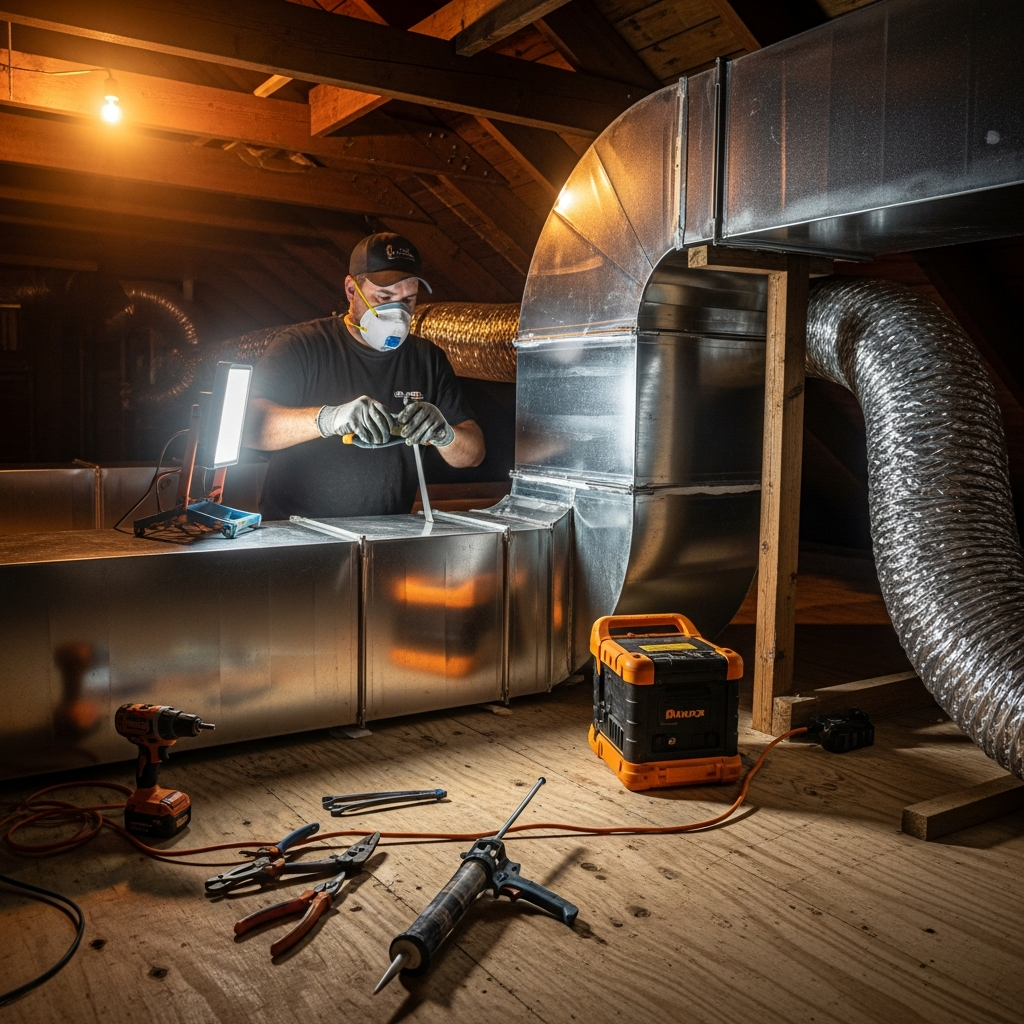
A system is only as good as its weakest seam. Professional crews seal every joint with mastic or approved foil tape and then insulate ducts located outside the home’s conditioned envelope. After startup, they measure static pressure, adjust dampers, and verify airflow at each register. These steps ensure that bedrooms, living spaces, home offices, and finished basements all receive their fair share of conditioned air. In Elizabeth’s shoulder seasons, when temperatures swing dramatically, balanced ducts keep your system from short‑cycling in the afternoon and struggling overnight.
What to expect during an in‑home assessment
Expect a thorough walkthrough. A trustworthy team will inspect your current equipment, look into accessible attic or crawl spaces, measure supply and return openings, and ask how you use your home. Do you cook frequently and want better ventilation near the kitchen? Does a second‑floor bedroom overheat in July? Are you pursuing better filtration because of allergies? Answers guide decisions such as increasing return capacity, relocating a supply for better throw, or upsizing a trunk serving a distant room. The best installers take time to discuss noise expectations, register styles, grille placement, and service access panels for future maintenance.
Elizabeth‑specific considerations that separate the best from the rest
Older two‑story homes in Peterstown and the Historic Midtown area often benefit from central returns on both floors to enhance circulation. Homes near the waterfront or industrial corridors might contend with higher dust loads, making tightly sealed ducts and upgraded filtration crucial. Split‑level floor plans common in parts of Union County can create zoning challenges; skilled installers use dampers and smart controls to reduce temperature swings between levels. In all cases, protecting ducts from attic heat and basement humidity is a local must, especially during heat waves and nor’easter‑driven cold snaps.
How to compare proposals without getting lost in jargon
When you evaluate different options, focus on clarity. Look for notes about duct sizes, materials, insulation values, sealing methods, return strategy, and balancing. Ask how the crew will protect your floors and furnishings and how they will verify system performance at the end. Seek details about permits and inspections, and how the team coordinates with your HVAC equipment, existing registers, and any planned remodels. A proposal that explains how airflow will be measured room by room, where access panels will be placed, and how the team will confirm static pressure targets is often the one that leads to a smooth experience and reliable results. Midway through your research, you might find it helpful to consult a specialist in professional air duct installation to benchmark quality expectations and talk through the nuances of your floor plan.
Common pitfalls and how great installers avoid them
Poorly supported flex duct that sags is a common source of performance loss. The best crews use proper hangers and minimize bends. Undersized returns can make a blower work too hard; pros calculate and build return paths that match the system’s needs. Supply registers hidden behind furniture or drapes can cause comfort complaints; careful planning balances aesthetics with airflow. Finally, skipping a balancing step is a mistake that shows up later as uneven temperatures—excellent installers test and adjust before they leave.
Maintenance and long‑term care
Once your new duct system is in place, treat it like any other long‑term investment in your home. Keep registers clear, vacuum grilles, and replace or upgrade filters as recommended by your HVAC equipment manufacturer. Seasonally inspect accessible sections for signs of damage or condensation. If you plan renovations, communicate early so ducts can be protected and rerouted if needed. Proactive attention keeps your system performing efficiently and quietly for years.
Questions to ask before you hire
Ask about local code familiarity and permitting. Request examples of similar homes the team has completed in your neighborhood. Inquire how they size returns, what sealing products they use, and how they measure success at the end of the job. Confirm who will be onsite each day and how they will keep the workspace clean. Clarify timelines, access needs, and how they will handle unexpected framing or structural surprises that are uncovered during the project. The clarity of the answers you receive is a strong indicator of how your experience will unfold.
Frequently asked questions
Q: How long does a typical installation take in an Elizabeth home? A: Timelines vary with house size, accessibility, and the extent of new duct runs. Many projects are completed within a few working days, while complex layouts or remodels may take longer. The best installers provide a schedule that accounts for protection, installation, testing, and cleanup.
Q: Will new ducts make my system quieter? A: Properly sized and sealed ducts with smooth transitions, adequate returns, and correctly selected registers can significantly reduce noise. Sound performance depends on airflow design, blower speed settings, and isolation of vibration points.
Q: Are permits required? A: In most cases, duct installation is reviewed under local mechanical codes. A reputable installer will handle permitting and coordinate inspections as required by Elizabeth and Union County authorities.
Q: Can I reuse existing ducts? A: Sometimes. If ducts are properly sized, cleanable, and accessible for sealing and insulation upgrades, selective reuse can be appropriate. A professional assessment will determine whether reuse supports your comfort and efficiency goals.
Q: What about rooms that are always uncomfortable? A: Persistent hot or cold rooms usually point to sizing, layout, or return air issues. A thorough design, including room‑by‑room calculations and balancing, resolves most unevenness.
Q: How should I think about filtration? A: Discuss filter cabinet sizing, filter types your equipment can accommodate, and how the return layout supports even, quiet airflow. Good filtration combined with sealed ducts protects indoor air quality.
Q: What maintenance does a new duct system need? A: Keep registers unobstructed, vacuum grilles periodically, and replace filters on schedule. Consider a seasonal check of accessible ducts for insulation integrity and any signs of moisture.
Q: Will a new duct system help with humidity? A: While ducts do not dehumidify on their own, a well‑sealed, insulated, and balanced system supports your HVAC equipment’s ability to remove humidity more effectively, especially during Elizabeth’s muggy summers.
Ready to enjoy balanced comfort in your Elizabeth home?
If you are ready to improve airflow, quiet operation, and year‑round comfort, connect with local professionals who understand Elizabeth’s housing styles and climate. A clear plan, careful installation, and thorough balancing deliver results you can feel in every room. Start the conversation today with trusted air duct installation experts who can evaluate your home and guide you from design to final verification.
