Planning residential air duct cleaning in Elizabeth, New Jersey is easier when you have a practical, step-by-step checklist from preparation through post-cleaning follow-up. Whether your goal is to reduce dust, support allergy management, or get ahead of seasonal changes, a clear plan helps the day go smoothly and ensures you see the results you expect. This guide organizes the process into stages, highlights common challenges in local homes, and explains how to maintain cleaner ducts for the long term. To set the standard from the start, many homeowners consult a local specialist in air duct cleaning who can explain methods, protections, and documentation before anyone arrives.
Stage 1: Pre-visit planning
Begin by collecting basic information about your HVAC system. Note the location of your air handler and coil, the number of returns and visible supply registers, and any known access points in basements or attics. If you have flexible duct sections or fiberboard trunks, write that down as well. Share these details when you request estimates so companies can propose a scope that fits your real layout rather than relying on assumptions.
List your priorities, such as addressing a specific room that accumulates dust or a return grille that darkens quickly. Include any relevant history: recent renovations that generated dust, water events, or pest treatments. If you or family members have sensitivities to dust or noise, mention that upfront so the provider can plan for containment and scheduling that aligns with your household’s needs.
Stage 2: Choosing a provider
Look for a company that describes their process clearly: how they establish negative pressure, how they isolate and agitate each segment, and how they document the work with photos or a written summary. Verify insurance and training, and ask about experience with Elizabeth’s common configurations, such as wall-cavity returns in older homes or attic-based systems with flex branches.
Ask for a written scope that covers both supply and return sides, trunk and branch lines, registers and grilles, and protections for your home. Clarify whether coil cleaning is separate and whether they anticipate any special steps based on your home’s materials. When everyone is aligned on scope and expectations, service day becomes more predictable and efficient.
Stage 3: Prepare your home the day before
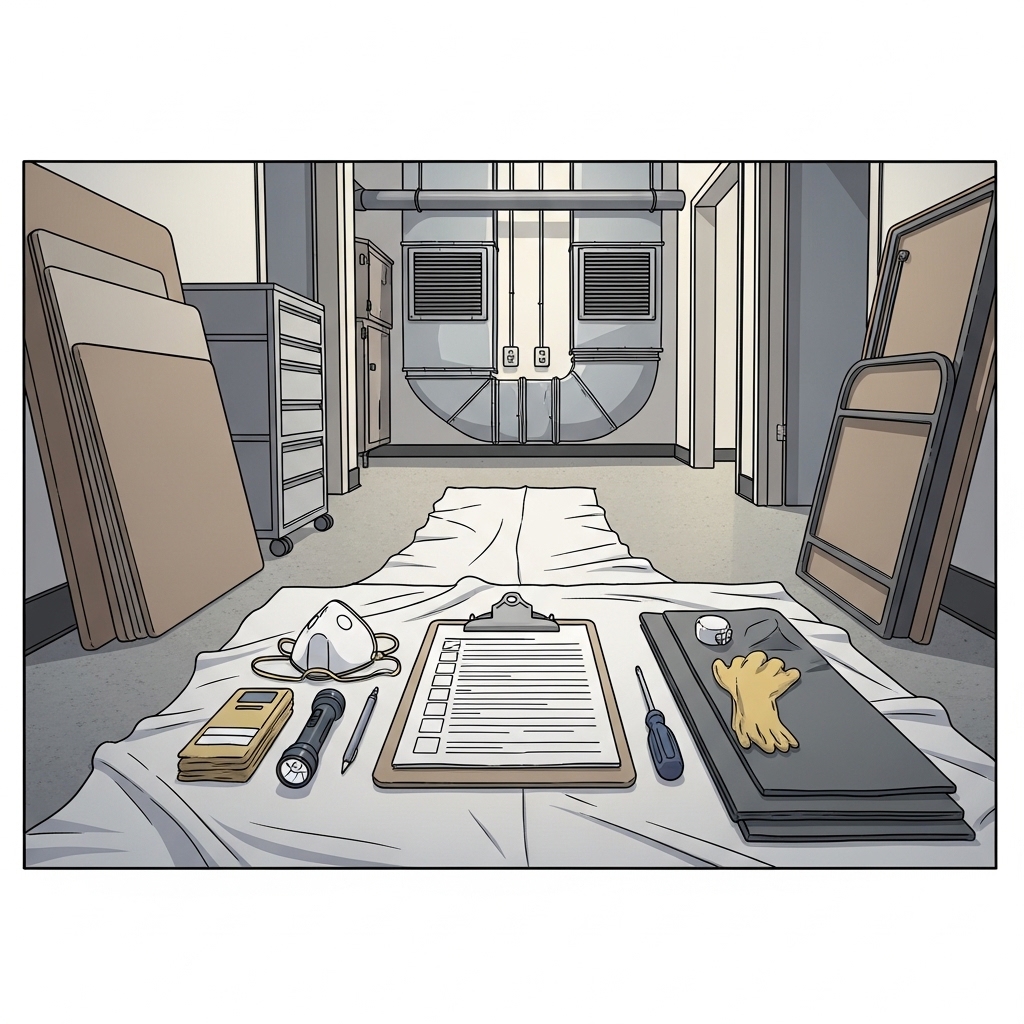
Clear a path to returns and supply registers by moving furniture and securing fragile items nearby. If an attic or crawlspace will be accessed, make sure the route is free of storage boxes or trip hazards. Identify safe places for pets during the visit; a quiet room away from active work areas can reduce stress for animals and helps keep doors closed as equipment is moved in and out.
Set aside any information your provider requested, such as filter size, notes about rooms that feel stuffy, or photos from a recent renovation. If you have a parking preference or building rules about contractor access, communicate them early. This avoids delays and lets the crew focus on setting up protections and getting to work.
Stage 4: Arrival and walkthrough
On service day, expect a brief walkthrough to confirm the agreed scope and note any fragile items or special concerns. The team will explain the setup, including how they will route hoses, protect floors, and isolate segments for cleaning. If they anticipate creating access openings, they should confirm locations and discuss how those will be sealed after cleaning.
Use this time to reiterate your top priorities and any rooms where you have noticed unusual dust or airflow. Share any last-minute notes, such as a sleeping child, a remote work call, or a pet that may need a short break outdoors. Clear communication sets the tone for a smooth, respectful visit.
Stage 5: Protections and containment
Professional crews protect floors, corners, and walls where equipment and hoses pass. They maintain negative pressure to capture debris inside the duct system, preventing dust from escaping into rooms. Registers and grilles are removed, cleaned, and reinstalled once the corresponding lines are addressed. Access openings are created where needed and sealed after the work is done.
Containment also includes how the team handles your living space. Look for orderly setups, clean drop cloths, and careful placement of tools. Ask how they plan to keep doors secure if pets are present, and how they will coordinate moving from one level to another if you have more than one story.
Stage 6: Cleaning supply and return sides
Supply trunks and branch lines are agitated systematically under negative pressure to dislodge and capture debris. The approach is tailored to your duct material—metal, flex, or fiberboard—so agitation is effective without damage. Return sides, which often accumulate heavy dust, receive equal attention. Plenums are addressed with methods suited to their construction.
Throughout, the team should demonstrate care for sensitive components. The coil housing exterior and blower cabinet are cleaned appropriately, while coil cleaning itself may be separate due to its specialized nature. The focus remains on complete, safe removal of particulate from the system’s air pathways.
Stage 7: Verification and wrap-up
Before leaving, the provider should present photos or a written summary of key areas before and after cleaning. They will reinstall registers and grilles, seal access points, and confirm system operation. This is the moment to ask questions about findings, such as minor air leaks at joints or insulation gaps on attic runs that could be addressed in the future.
If you have a new filter ready, ask the technician to install it or verify that the existing filter is properly seated. The final walkthrough ensures you understand what was done and how to maintain results.
Stage 8: Immediate post-cleaning steps
After the crew departs, run your system and walk through each room to confirm airflow feels consistent. Note any registers that still collect dust quickly; if you observe patterns that differ from expectations, contact the provider promptly with your observations and photos. Open interior doors to encourage even circulation and consider airing out the home for a short period if weather permits.
Store the report and any photographs with your HVAC records. These documents establish a baseline for future maintenance and can be valuable if you sell your home or plan renovations that might affect airflow or duct access.
Ongoing maintenance to keep ducts cleaner
Cleaner ducts last when the sources of dust are reduced and filtration is consistent. Replace filters on schedule and ensure filter doors and panels fit snugly to prevent bypass. Keep returns unobstructed and vacuum around registers during routine cleaning. Manage indoor humidity, especially in summer, to avoid sticky films that trap dust inside ducts.
Use exhaust fans during cooking and showering to move moisture and odors outdoors. If you have pets, regular grooming and vacuuming with a HEPA-equipped machine can reduce dander in circulation. These simple habits support the long-term benefits of professional cleaning.
Elizabeth, NJ considerations
Many Elizabeth homes feature basements with long trunk lines and multiple take-offs. Expect the crew to isolate sections methodically so agitation is effective throughout. Older homes may include wall-cavity returns behind plaster, which require gentle techniques and thoughtful access planning. Attic-based systems with flex branches demand a tailored approach to avoid stressing the material while still removing debris.
Logistics also matter locally. Narrow driveways, limited parking, or shared entryways may influence equipment placement and hose routes. Share those details early so the provider arrives prepared with a safe, tidy setup that respects neighbors and common areas.
Checklist recap you can reference quickly
Define goals and collect system details, including returns, supply registers, and equipment locations. Share renovation or moisture history. Choose a provider that explains containment, agitation, and documentation. Prepare the home by clearing access, securing pets, and communicating building rules. On the day, expect careful protections, methodical cleaning of supply and return sides, and verification with photos or a written summary. After the visit, confirm airflow, store documentation, and adopt simple habits that keep ducts cleaner longer.
With this framework, every step has a purpose and a clear method behind it. The plan reduces stress and ensures that the final results align with your expectations.
Frequently asked questions
Do I need to be home during the entire appointment? It helps to be present for the initial walkthrough and final review. Many homeowners step away during active agitation and return for wrap-up.
How long does residential duct cleaning take? Timing depends on layout, access, and contamination level. A single-system home often fits within part of a day, while complex systems may take longer.
Will the process be loud? Agitation tools and negative air machines generate steady noise. If you work from home, plan calls outside of peak activity times.
Is chemical treatment required? Not by default. Mechanical cleaning under negative pressure is the foundation. Targeted treatments may be recommended for specific concerns and should be explained clearly.
What should I do about filters? Replace filters on schedule and ensure a snug fit. Bring a replacement to the appointment so the technician can install or verify it.
Can ducts be cleaned if I have flex sections? Yes, with adapted tools and gentler techniques. Experienced providers tailor their approach to protect the material.
How will I know the work was thorough? Expect before-and-after photos or a written summary at key points, plus sealed access ports and clean, reinstalled registers.
Next steps for a cleaner, more comfortable home
With a clear checklist and a reliable provider, duct cleaning becomes a straightforward, well-managed project rather than a source of uncertainty. Start by gathering system details and goals, choose a company that communicates clearly, and prepare your home for an efficient visit. The outcome is cleaner ductwork, more consistent airflow, and a space that feels fresher.
When you are ready to schedule, look for local experts focused on air duct cleaning who can deliver a transparent process, careful protections, and documentation you can trust. Book your preferred time and enjoy the difference that thorough, professional air duct cleaning can make throughout your Elizabeth home.
