Choosing the right team for cleaner, healthier indoor air is more than a quick phone call—it is a decision that affects your family’s comfort, your HVAC system’s efficiency, and the long-term cleanliness of your home. In Elizabeth, New Jersey, where seasons swing from humid summers to brisk winters, dust, pollen, and moisture can collect inside ductwork. That buildup can circulate through rooms and aggravate allergies or make your HVAC work harder than it should. If you are evaluating options, start with a clear understanding of what high-quality air duct cleaning really entails, how to judge a contractor’s professionalism, and which red flags to avoid.
Neighborhoods across Elizabeth—from Elmora and Peterstown to North Elizabeth and the Waterfront—often experience unique indoor air concerns. Older homes may have legacy duct designs, while multifamily buildings can present access challenges. A strong provider will be familiar with these local conditions and tailor the cleaning process accordingly. You want a company that explains their approach, documents their results, and treats your home with care. Below, you will find a comprehensive guide to selecting the best team for the job, including questions to ask, preparation steps, and what to expect on cleaning day.
What makes an excellent air duct cleaning company?
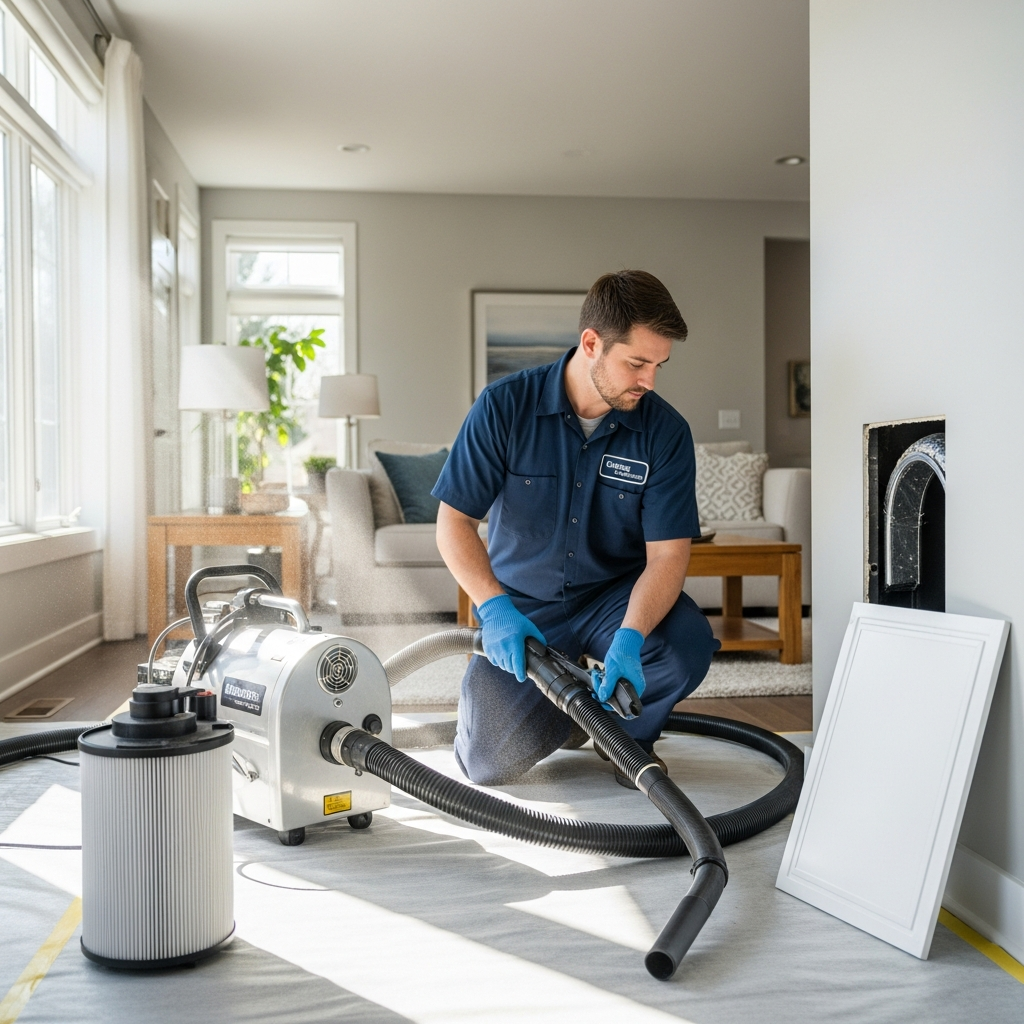
Excellence starts with expertise, transparency, and a safety-first mindset. Look for technicians who can articulate their step-by-step process and show you the tools they will use. A reputable provider will be comfortable discussing truck-mounted or portable negative air machines, HEPA filtration, and specialized agitation tools designed to dislodge stubborn dust without damaging ducts. They will also emphasize source removal—physically extracting contaminants from the system—rather than merely pushing debris further into hidden runs.
Insurance, licensing, and workforce training matter. In a dense and historic city like Elizabeth, contractors frequently work in tight basements, older crawlspaces, and finished spaces with delicate flooring. Confirm that a team is insured to protect both your property and their workers. Ask about technician training, safety protocols, and whether they provide before-and-after photos to verify results. These are all signs that the provider takes accountability seriously.
Local knowledge counts
Elizabeth’s proximity to Newark Liberty International Airport and the port can contribute to airborne particulates that ultimately settle in homes. Likewise, ocean-influenced humidity and winter heating cycles affect condensation and dust movement within ductwork. A local specialist will understand these dynamics and recommend an appropriate maintenance cadence. They may also have practical tips for homeowners in specific areas—such as how to keep registers clear in compact apartments or how to address basement humidity that encourages particulate clumping.
Transparency about scope and methods
When comparing providers, request a clear description of what gets cleaned: supply and return trunks, branch runs, registers and grilles, the blower compartment, and sometimes the evaporator coil and plenum spaces when accessible. You want a start-to-finish plan: isolate sections, apply negative pressure, agitate debris, capture contaminants through HEPA filtration, and verify cleanliness. If the company cannot detail this flow, keep looking.
Ask how they protect your home. Floor coverings, corner guards, sealed access panels, and mindful routing of hoses show respect for your property. Confirm that registers are removed carefully and cleaned separately. Duct access openings should be professionally created and sealed to code afterward to maintain system integrity.
Health, comfort, and energy efficiency
Cleaner ducts can help reduce the recirculation of dust and common irritants. While your HVAC filter captures a great deal, settled debris in duct interiors can become airborne whenever the blower runs. Removing this accumulation can support better indoor comfort, especially for households with pets or allergy sensitivities. A cleaner system also tends to move air more freely, helping your equipment operate as designed.
Red flags to avoid
Be cautious of vague promises or a lack of detail. If a provider emphasizes speed over thoroughness or hesitates to describe their equipment and procedures, reconsider. Be wary of anyone who refuses to show you captured debris or provide basic documentation. Overly dramatic claims without a well-explained process are also concerning. You are entrusting them with an essential part of your home’s infrastructure—clarity and accountability should be nonnegotiable.
Key questions to ask before you hire
- What specific components will you clean, and how will you verify results?
- Which tools will you use for agitation and collection, and are they HEPA-rated?
- How will you protect floors, walls, and furnishings during the process?
- Can you describe the sequence from setup to final inspection?
- Will you provide photos of interior duct surfaces before and after?
- How do you manage access in finished spaces or older homes with limited clearances?
- What is your policy if you find damage, microbial growth concerns, or other issues?
As you evaluate answers, note whether the representative educates rather than pressures. A trustworthy professional should empower you to make an informed decision and outline realistic outcomes. In the heart of your research, read through process descriptions carefully; the most credible teams will encourage you to learn what comprehensive air duct cleaning looks like and why each step matters.
Preparing your home for the visit
Preparation helps the crew work efficiently and respectfully. Clear space around supply and return registers so technicians can remove covers and access duct openings. Secure pets in a separate room, and consider protecting delicate items near registers from any incidental dust that may be dislodged during setup. If parking is limited on your street, alert the team in advance so they can plan hose routes and minimize time spent on logistics.
- Move furniture or rugs away from vents and returns.
- Identify any hard-to-reach registers behind appliances or built-ins.
- Share information about recent renovations or known duct issues.
- Ensure there is power access near the furnace or air handler.
- Plan to be available for walkthroughs and sign-offs.
What to expect on cleaning day
Professional teams will start with a tour of the system: locating the air handler, mapping trunks and branches, and identifying both supply and return runs. They will set protective coverings, create necessary access openings, and install negative air equipment. Agitation tools—whips, brushes, or compressed-air devices—are then used to dislodge debris while the vacuum captures it at the source. Each register is removed, cleaned, and reinstalled. The team will progress methodically through the system to avoid cross-contamination.
At the end, they should conduct a final review with you. Expect to see collected debris, images from inside ducts, and a checklist of completed tasks. This is also when they will discuss any conditions they encountered, like crushed ducts, disconnected runs, excessive dust pockets, or moisture indicators around certain segments. A strong provider will recommend next steps only when necessary and leave you with clear documentation.
After-service follow-up and maintenance
Once your ducts are clean, keep them that way. Replace HVAC filters on a schedule recommended by your equipment manufacturer and suited to your household. Consider higher-efficiency filters if appropriate for your system’s blower capacity. Manage indoor humidity, especially during muggy summer months in Elizabeth, to help prevent particulate clumping. Regular housekeeping—vacuuming registers, wiping grilles, and minimizing clutter near returns—supports cleaner air distribution.
- Check filters monthly and replace as needed based on use and manufacturer guidance.
- Vacuum or wipe register covers regularly to discourage dust accumulation.
- Control indoor humidity with ventilation and dehumidification strategies.
- Schedule periodic system assessments to catch minor issues early.
How to compare proposals thoughtfully
Focus on scope, documentation, and process detail. Side-by-side, the best proposals explain what will be cleaned, how, and in what sequence. They list the protective measures for your home and what kind of visual verification you can expect. They also describe how technicians will handle unique challenges like tight chases, chimney-adjacent runs, or finished drop ceilings. Comprehensive proposals prevent misunderstandings and ensure you receive the thorough service you intend to purchase.
Common add-ons and when they are appropriate
Sometimes cleaning the blower compartment, evaporator coil housing, or plenum area is recommended as part of a more complete solution, especially if there has been a renovation, a period of construction dust, or evidence of heavy debris migration. Dryer vent cleaning, while separate from HVAC ducts, can also be a wise safety consideration. The key is identifying genuine needs rather than blanket add-ons. A credible provider will show you evidence and explain why each recommendation matters for performance and cleanliness.
Seasonal timing for Elizabeth households
Many homeowners prefer to schedule during milder shoulder seasons—spring and fall—when HVAC demand is lower. This can reduce disruption, as technicians may need to cycle systems during the process. However, thorough duct cleaning can be performed year-round with proper preparation. What matters most is choosing a provider whose planning, communication, and logistics are solid, whether your home is a single-family residence in Elmora or a condo near Kean University.
Frequently asked questions
Q: How often should ducts be cleaned in Elizabeth homes?
A: Frequency depends on factors like pets, smoking, renovation dust, and local conditions. Many households benefit from periodic assessments and cleaning when buildup is evident or airflow seems compromised.
Q: Will cleaning disrupt my day?
A: Professional crews work efficiently and protect your home with coverings and careful hose routing. You will want to be available for a brief walkthrough, but daily life can often continue with minor adjustments.
Q: Can duct cleaning help with allergy symptoms?
A: Removing accumulated dust and irritants may support more comfortable breathing for sensitive individuals. It is one piece of a broader strategy that includes filtration, humidity control, and clean surfaces.
Q: What if my home has older ductwork?
A: Experienced teams can adapt tools and techniques for older or delicate materials, taking special care with access and agitation methods.
Q: Do I need to leave the house?
A: Typically, no. Expect some noise from equipment. Many homeowners stay on-site and appreciate reviewing progress and results.
Q: Will cleaning damage my ducts?
A: When done correctly with the right tools and negative pressure, cleaning is safe for most systems. The goal is to remove debris without stressing duct materials.
Q: How do I know the job was done well?
A: Look for documentation: images from inside ducts, a checklist of completed tasks, and a walkthrough that explains any findings and recommendations.
Book your air duct service in Elizabeth today
If your registers show dust accumulation, airflow feels weaker than it once did, or renovations have stirred up particulates, it is a smart time to schedule a professional assessment. Choose a provider that communicates clearly, respects your home, and proves their work with photos and a step-by-step plan. For a thorough, homeowner-focused experience from start to finish, schedule your next air duct cleaning and breathe easier in every season.
