What to Look For When Choosing an Air Duct Cleaning Service Near You in Elizabeth, NJ
Selecting a reliable company can feel overwhelming when search results and advertisements all sound similar. The right choice comes down to proven methods, clear communication, and a commitment to protecting your home. In Elizabeth and neighboring communities, properties range from historic houses with intricate trim to modern condos with compact mechanical closets. A dependable provider will adapt to those differences while maintaining consistent quality. Early in your research, ground your expectations by reviewing what an expert team actually does during air duct cleaning, how they stage your home, and how they verify results.
Start with a simple framework: credentials, scope, process, protection, and follow-through. If a company communicates these elements with clarity and backs them with real-world examples from comparable homes, you are on the right path. The sections below break down each factor so you can assess options confidently and choose a team you trust.
Verify Training, Experience, and Insurance
Experience in homes like yours is essential. Ask how long the company has been working in the Elizabeth area and what types of properties they service most frequently. Inquire about technician training, safety protocols, and internal quality control. Reputable companies carry appropriate insurance, and they are comfortable providing details. If your building requires certificates of insurance or prior permissions, confirm that the provider can deliver the documents promptly.
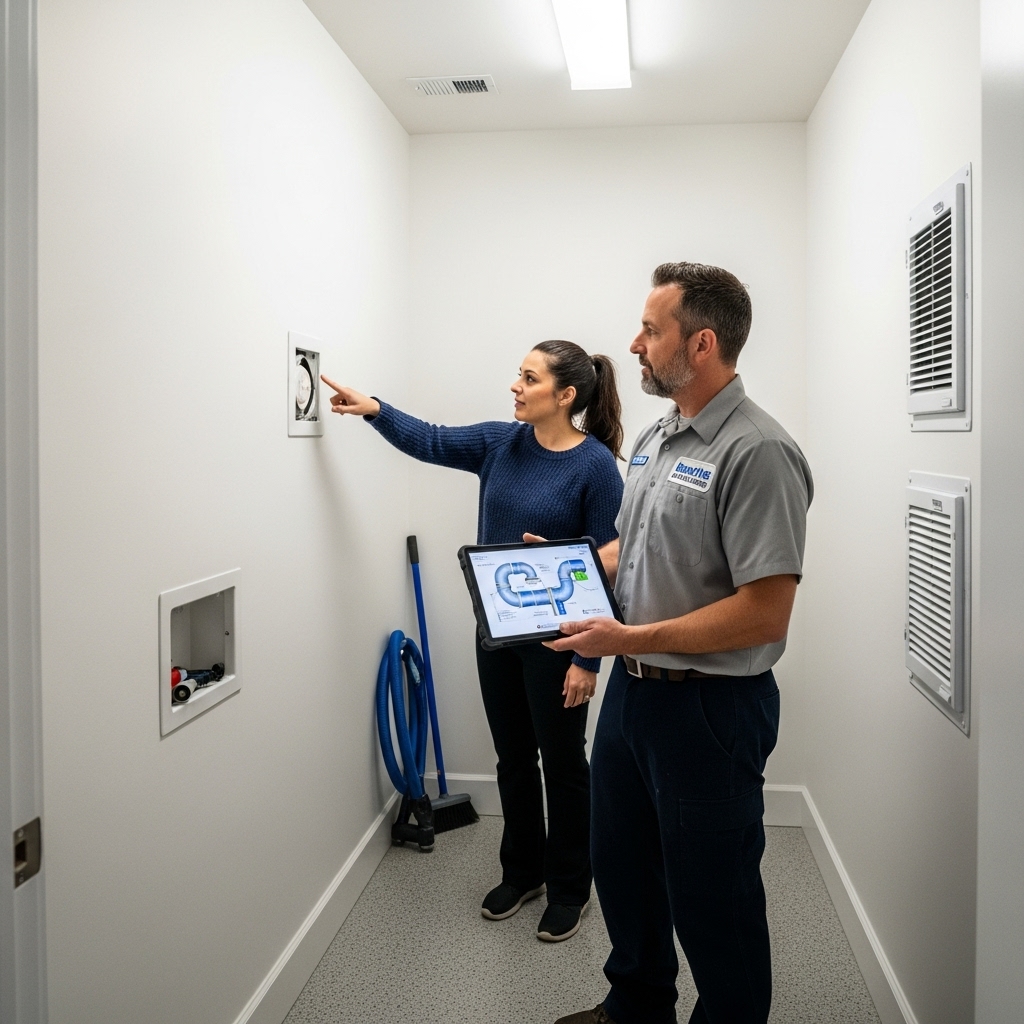
It is also helpful to learn how crews are composed. Teams that pair newer technicians with experienced leads maintain continuity and ensure quality on complex jobs. Ask whether project managers or leads visit the site at the beginning and at completion to confirm the plan and inspect the results.
Understand the Scope and What Is Included
Scope is the backbone of a meaningful proposal. A thorough plan should specify the number of supply registers and returns to be cleaned, whether the air handler cabinet is included, how negative pressure will be established, and what agitation tools will be used for your duct material. In homes with flex or in older properties with tight turns, specify how the team avoids damage while still achieving source removal.
Clarity about inclusions and exclusions helps prevent frustration. If there are accessories—humidifiers, UV lights, or filters located in unusual places—the plan should state how they will be protected. For multi-zone homes, confirm whether all zones are included in the same visit and how the team will handle access and staging.
Evaluate the Process and Equipment
Effective source removal relies on strong, continuous negative pressure and agitation targeted to the duct material. Truck-mounted vacuums, high-powered portables, and carefully selected brushes or air whips are all tools you may hear about. What matters is how the company uses them to move methodically from registers to trunks without spreading dust into the living areas. Ask how they isolate work areas, what kind of register shields they use, and how they prevent fine dust from re-entering the space during the process.
Verification is part of a solid process. Many companies document registers, trunks, and returns before and after the cleaning. When teams provide clear images or descriptions, you can see the care and completeness of their work. Documentation also supports future maintenance decisions, such as filter upgrades or minor duct sealing.
Protection of Your Home
Elizabeth homes often have details worth preserving—original hardwood floors, plaster walls, ornate baseboards, or custom vents. Good providers treat the space with the same care you do. Look for mention of corner guards, drop cloths, and containment strategies to protect the areas around registers and pathways to the air handler. If the job requires creating access openings, confirm how the openings will be restored when the cleaning is complete.
Noise and household rhythm matter too. If someone is working from home or children are napping, planning around quiet times can make the experience smoother. Ask how crews stage equipment to minimize disruption and whether they can work in segments if your schedule requires it.
Communication and Transparency
From the first call or message, pay attention to how clearly the company answers questions. Are they specific about steps, or do they rely on generic statements? Do they ask about your home’s layout, allergy concerns, or renovation history? These are signs they will tailor the work to your needs. A transparent provider explains exactly how they clean returns, supplies, and trunks, and how they will approach the air handler cabinet and filter housing.
Midway through your research, revisit your core goals for air duct cleaning: cleaner indoor air, better airflow, and protection for your HVAC system. The company you choose should speak directly to those outcomes and outline how their process delivers them.
Red Flags to Watch For
Beware of one-size-fits-all promises. Homes in Elizabeth vary widely, and an approach that ignores layout or material differences can lead to incomplete results. Be cautious of claims that every job can be done in an unusually short time or that add-on steps are always necessary. Responsible recommendations are based on what the team finds in your system, not on a script.
Another red flag is a lack of detail about containment and negative pressure. If the plan does not describe how dust will be captured and prevented from re-entering living spaces, ask for clarification or keep looking. You want a method that emphasizes safety, cleanliness, and thoroughness.
Questions to Ask Before You Book
- How many supply registers and return grilles are included in the scope?
- Will the air handler cabinet and return plenum be cleaned as part of the visit?
- What equipment will be used, and how is negative pressure maintained throughout?
- How will you protect floors, walls, and finishes around registers and pathways?
- What happens if you find unexpected moisture or evidence of leakage?
- How do you verify completion—photos, checklists, or a walkthrough?
- How many technicians will be onsite, and how long do you estimate the visit will take?
- What preparation should I complete before the crew arrives?
Fit for Elizabeth’s Housing Types
Row homes and multifamily buildings often have shared infrastructure and limited access for large trucks. Ask how the company handles equipment staging, elevator logistics, and building permissions. For single-family homes with basements or attics, confirm how crews navigate tight stairways or low-clearance spaces. Historic homes may have decorative or nonstandard registers that call for special protection and careful agitation tools to avoid damage.
If your home has multiple zones or a combination of rigid and flex duct, a customized plan ensures each area is addressed appropriately. That level of detail distinguishes providers who truly adapt to the local housing stock.
Aftercare and Ongoing Maintenance
A good provider offers practical suggestions to help you preserve results. Expect guidance on filter selection and replacement intervals appropriate for your system’s airflow and your household’s needs. You may also receive tips on keeping returns unobstructed, sealing minor leaks, and monitoring for signs of condensation near the air handler. These small habits extend the benefits of a thorough cleaning and support consistent indoor air quality.
If you are planning a renovation, ask how to protect ducts during and after the project. Temporary filtration upgrades and containment during dusty phases can prevent heavy deposits that shorten the time between cleanings.
Frequently Asked Questions
Q: How do I know if a company is reputable? A: Look for clear descriptions of process and scope, confirmation of insurance, and evidence of successful work in homes like yours. Consistency and detail are strong indicators.
Q: Should I be home during the appointment? A: It is helpful but not mandatory. Many homeowners prefer to be present for the initial walkthrough and the wrap-up review.
Q: Will cleaning help with odors? A: If odors are tied to dust, debris, or airflow issues, a thorough cleaning and attention to filtration can help. Persistent odors from other sources may require additional investigation.
Q: Do I need sanitizing? A: Only if conditions warrant it. Responsible teams explain why it is recommended, how it is applied, and what outcome to expect.
Q: What should I prepare before the crew arrives? A: Clear pathways to registers and the air handler, move fragile items, secure pets, and share any scheduling constraints or sensitivities.
Make Your Choice with Confidence
When you are ready to schedule, choose a provider that explains each step, sets clear expectations, and treats your home with care. A thoughtful plan for air duct cleaning will deliver cleaner air, protect your HVAC system, and give you peace of mind that the job was done right.
