Selecting the right HVAC air duct cleaning service in Elizabeth, New Jersey is as much about process and professionalism as it is about results. A thorough cleaning requires careful planning, the right equipment, and a team that adapts to your building’s materials and layout. In this guide, you will learn how to evaluate providers, what questions to ask, and how to compare proposals so you can hire with confidence. From Elmora to the Port District, informed choices start with understanding the steps a responsible company will take from inspection through verification. To set expectations for quality from the outset, consider contacting a local specialist in air duct cleaning who can walk you through their method in detail.
Start with clear goals and a shared vocabulary
Before you call providers, list what you want to accomplish. Are you focused on reducing dust, improving airflow, addressing allergy concerns, or preparing for a seasonal changeover? Clarifying goals helps companies tailor their approach and ensures you can evaluate their proposals on relevant criteria. Ask each provider to describe their process using plain language, including how they establish negative pressure, how they isolate segments, and what they do to protect finished spaces.
Because duct materials differ, also ask about your system’s particulars. Do you have metal trunks with flex branches, or fiberboard sections? Is your air handler in a basement mechanical room, an attic, or a closet? Where are your returns located, and how many zones do you have? Detailed answers reveal a provider’s familiarity with common Elizabeth home configurations and the practical steps required to clean them thoroughly.
Credentials, training, and insurance
Verify that the company maintains proper insurance and that technicians receive ongoing training in duct cleaning best practices, containment, and safety. Experienced teams can explain how they adapt to older plaster returns, long attic runs, or tight basements typical of many local homes. They should also be comfortable discussing when specialized steps are appropriate, such as handling suspected microbial growth or addressing moisture concerns near the coil or drain pan.
Training shows in the details: careful setup, methodical agitation, respect for materials, and clear documentation. Ask for sample reports or photos from past projects—ideally in homes similar to yours—so you can see how they present findings and recommend next steps without upselling unrelated work.
Scope of work: what a complete cleaning includes
A thorough scope addresses both supply and return sides, main trunks and branch lines, and accessible plenums under continuous negative pressure. Registers and grilles are cleaned before reinstallation. The blower compartment and cabinet exteriors receive attention, and access openings are sealed after cleaning. Coil cleaning is often a separate task due to its different methods and the need to protect delicate fins; reputable providers will explain when and why coil service might be recommended.
A clear scope also defines protections for your home: floor coverings, corner guards, and care around stairs and railings. In Elizabeth’s dense neighborhoods, equipment placement and hose routing can be challenging; the plan should include a tidy setup that maintains safety while keeping walkways accessible.
Equipment and techniques: matching tools to your home
Effective cleaning can be performed with truck-mounted negative air machines or high-capacity portable HEPA units. What matters is the combination of capture and agitation. Technicians should use tools that suit your duct material—rod-based whips for metal, softer agitation for flex, and appropriate approaches for fiberboard. The team should also verify capture airflow so debris moves from the ducts into filtration, not into the room.
If your property has tight attic spaces, steep stairs, or a long distance to the mechanical room, the company should explain how they will adapt. Reliable providers adjust hose runs, isolate segments, and plan the sequence of work so each area is addressed effectively without unnecessary disruption.
Communication and transparency
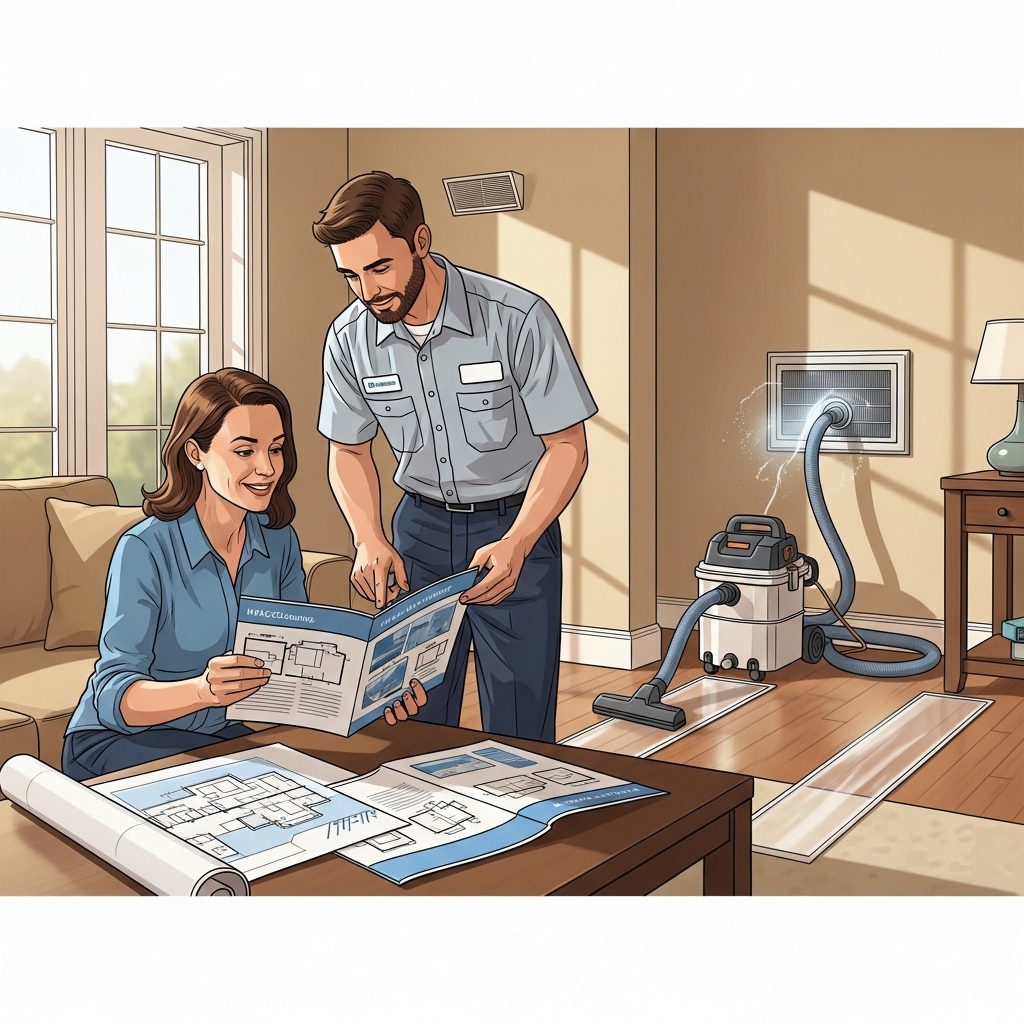
Great companies communicate clearly before, during, and after the job. They explain what to expect, ask you to move or secure fragile items near vents, and share start and finish times. On arrival, they walk you through the plan and answer questions. During the process, they remain available to discuss findings. At the end, they provide a summary—often with photos—showing the condition of key areas and any suggested maintenance.
Transparency is especially important if they encounter surprises, such as a partially collapsed flex run or an unsealed return cavity. Rather than improvising without notice, they should pause, show you the issue, and propose options. This approach builds trust and puts you in control of decisions about added steps.
Local knowledge of Elizabeth, NJ homes
Elizabeth’s housing mix includes historic single-family homes, row houses, and newer developments. Older properties sometimes feature wall-cavity returns that demand careful technique. In multi-level homes, returns may be high on walls or over stairs, requiring additional protections and safe ladder practices. Attic-based systems may have flex branches with tight bends that accumulate more dust near take-offs. A provider familiar with these patterns will anticipate them in both the estimate and the workflow.
Local knowledge also extends to logistics, such as parking, stairwell protection in shared-entry buildings, and noise considerations during business hours. Companies that regularly work in the area tend to have streamlined setups that keep neighbors and building management comfortable while maintaining efficiency.
Interview questions that reveal real expertise
Ask providers to describe, step by step, how they establish negative pressure, how they access trunk lines, and how they verify that every branch line is addressed. Listen for details about protecting coils, sealing access points after cleaning, and documenting conditions. Ask how they handle flex duct, how they minimize dust escape when removing registers, and how they adapt when an access opening is needed in a tight area.
Inquire about safety protocols if moisture or microbial concerns are suspected. Responsible teams will describe the additional precautions they take, how they communicate with you about findings, and what options exist if specialized remediation is appropriate. Their answers should be confident and practical, not vague.
Comparing proposals fairly
To compare offers, provide the same information to each company: number of returns and supplies you can see, air handler location, attic or crawlspace notes, and any special concerns. Ask for a written scope that clearly states what is included and what is optional. Ensure each proposal addresses both supply and return sides, trunk lines, branch lines, registers, and protections for your home. Look for documentation commitments, such as before-and-after photos at key points.
When proposals differ, consider why. A shorter timeline might mean the provider is skipping sections or using a vent-only approach. A more thorough scope may invest more time in agitation and verification. Rather than focusing solely on a headline number, align your choice with the depth of work you expect and how well the provider communicates each step.
Preparing your home to streamline the visit
A little preparation goes a long way. Clear a path to returns and registers, remove fragile items near vents, and secure pets in a separate room. Inform the team about parking constraints or building rules. If you have concerns about noise or have family members who are sensitive to dust, discuss scheduling and temporary isolation of occupied areas. Share details about renovations, water events, or pest treatments that could influence the approach.
Document any comfort issues, such as a room that feels stuffy or a register that collects dust quickly. These notes help technicians target problem areas during agitation and inspection. After the visit, keep the report and photos for your records so you can plan maintenance steps like filter changes or minor sealing at accessible joints.
Verification and maintenance
At project completion, expect a walkthrough and clear documentation of what was done. You should see evidence that trunks, returns, and accessible plenums were addressed under negative pressure. Registers and grilles should be reinstalled cleanly, and access points sealed. With the system running, you may notice more consistent airflow or less dust around registers over time.
To maintain results, change filters on schedule and keep returns unobstructed. Consider small air sealing at accessible joints and make sure the air handler cabinet is closed properly. Manage humidity levels to reduce sticky films in ducts, and use exhaust fans when cooking and showering. These simple habits prolong the benefits of a thorough cleaning.
Red flags to avoid
Be cautious of offers that promise whole-house results without a clear, detailed scope. Vent-only approaches that skip trunks and returns rarely deliver the outcomes homeowners expect. Also be wary of rushed timelines that leave little room for setup, protections, and verification. A professional job balances efficiency with careful attention to detail.
Another warning sign is resistance to questions. Reputable providers welcome your interest in their process and are happy to explain how they will protect your home and prove what they have done. If a company discourages questions or cannot describe their method clearly, continue your search.
Frequently asked questions
How long does duct cleaning take? Duration depends on layout, access, and contamination. Many single-system homes are completed within a portion of a day, with more complex systems requiring longer.
Do technicians need to enter the attic or crawlspace? If ducts or equipment are located there, yes. Professional crews plan access carefully and protect surrounding areas.
Will my home be dusty afterward? Proper negative pressure and containment keep dust from escaping into rooms. The crew will remove their coverings and clean up before departing.
Is coil cleaning included? Coil cleaning is often separate because it requires specialized techniques. Your provider can explain whether your coil needs attention.
How do I know the work was done thoroughly? Expect photos or a written summary documenting the condition of key areas before and after. Ask the team to walk you through findings.
Can I remain at home during the job? Most homeowners do. If you are sensitive to noise or dust, plan to spend time in a different area during active agitation.
Choose with confidence
Hiring the right air duct cleaning company in Elizabeth, New Jersey comes down to clarity, method, and respect for your home. Define your goals, ask detailed questions, and compare written scopes that explain each step. Favor providers who document their work, communicate openly, and adapt to your specific duct materials and layout.
If you want a reliable benchmark for quality and process, look for local experts who focus on air duct cleaning and can outline their approach from setup to verification. With the right partner, your ducts can be cleaned thoroughly and responsibly, leaving your home feeling fresher and your HVAC system better supported for the seasons ahead.
Ready to move forward? Reach out to schedule professional air duct cleaning at a time that works for you, and enjoy a clear plan, careful protections, and results you can see in cleaner registers and more consistent airflow.
