Introduction
Keeping ducts clean in Elizabeth, New Jersey is a team effort between your household habits and periodic professional service. Seasonal pollen, coastal humidity, traffic particulates, and active family life all influence what accumulates inside your HVAC system. With the right tips, you can reduce buildup, improve airflow, and extend equipment life—all while making your home more comfortable. If you prefer to have experts handle the heavy lifting, consider scheduling thorough air duct cleaning and use these tips to maintain results all year long.
What follows is a practical, homeowner-friendly set of strategies that align with local conditions and common duct types found in Elizabeth homes.
Start with Filtration
Filters are your first line of defense. Choose the correct size and a MERV rating your system can handle. A filter that is too restrictive can stress the blower and reduce comfort. Mark the replacement date on the frame and set reminders every one to three months, adjusting frequency during heavy summer cooling or spring pollen spikes.
Keep Registers and Returns Clean
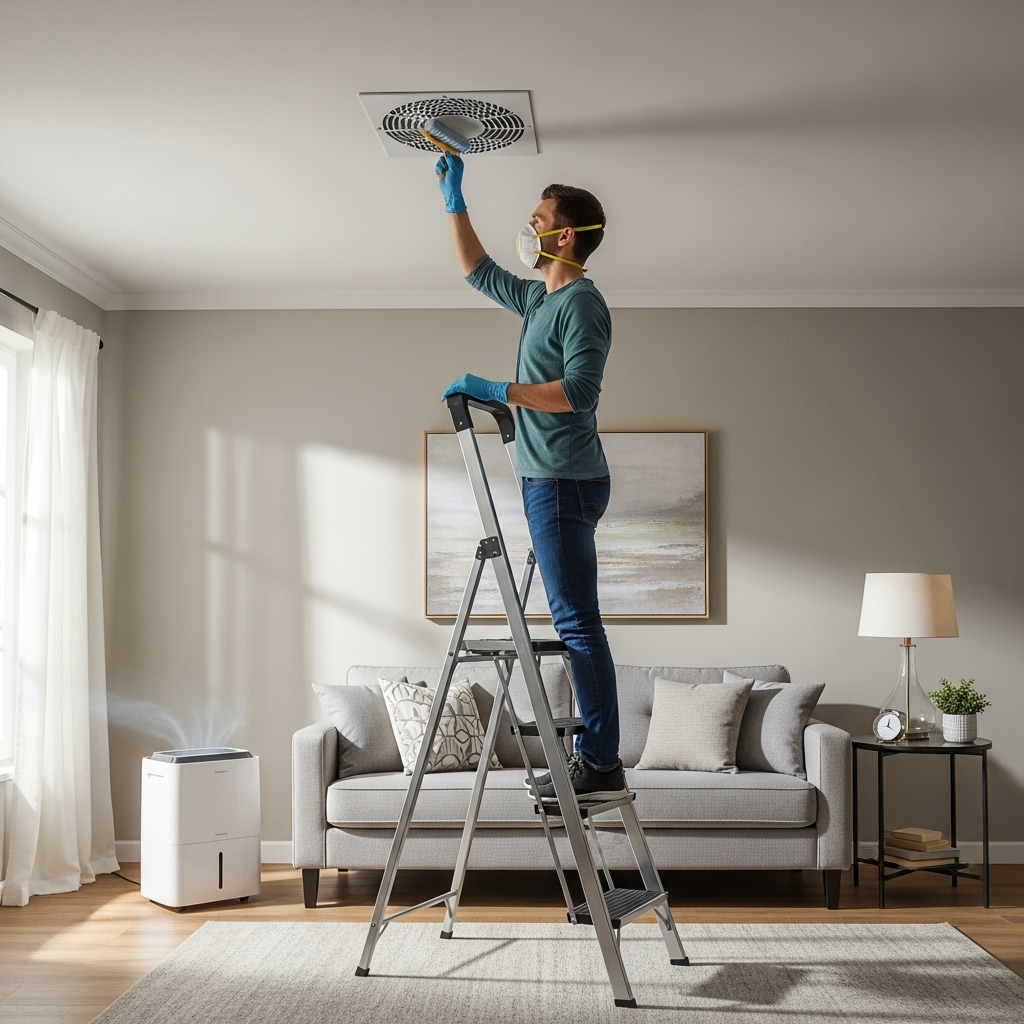
Dust accumulates quickly at grilles, especially returns. Vacuum the front and back of covers monthly, then wipe with a damp cloth. For ceiling returns, use a stable step stool and work carefully. This small habit prevents debris at the openings from being pulled deeper into the system.
Vacuum the First Two Feet
With the system off, remove register covers and use a crevice tool to vacuum the first one to two feet of the duct. Follow with a soft brush and a microfiber wipe. This safe zone yields big improvements without risking damage to liners or pushing dust farther inside.
Seal Small Leaks You Can Reach
Dust often enters through gaps around boots and joints near registers. Use UL-181 foil tape or mastic to seal accessible seams. Avoid cloth “duct tape.” Even small sealing efforts reduce dust infiltration from basements and wall cavities.
Manage Humidity
Humidity drives odors and microbial growth. Aim for 40–50 percent indoors. Run bathroom fans during showers, vent clothes dryers outdoors with sealed connections, and address any basement dampness. Dry conditions help keep ducts fresher between cleanings.
Smart Housekeeping Around Vents
Vacuum floors and baseboards near vents weekly. Keep furniture and rugs from blocking airflow. In kids’ rooms, check for small objects that could fall into vents. During parties or holidays when doors open often, expect more dust and adjust filter checks accordingly.
Protect the System During Renovations
Construction dust is particularly fine and persistent. Isolate work zones with plastic barriers, cover nearby registers, and run a portable HEPA air cleaner in the workspace if you have one. Replace filters more frequently during and after renovations to capture residual dust.
Watch for Signs You Need Professional Help
DIY methods are great for maintenance but have limits. Call a professional if you notice strong, persistent odors; evidence of pests; visible mold; or heavy dust after construction. A full, negative-pressure cleaning reaches deep into trunks and branches and is often paired with blower and coil assessments.
Pets and High-Traffic Homes
Pet hair and dander increase the load on filters and ducts. Brush pets regularly, vacuum often, and consider a slightly higher MERV filter if your system can handle it. Homes near busy roads may also collect soot and fine particles; step up your filter schedule accordingly.
Seasonal Strategy for Elizabeth Homes
- Spring: Tackle pollen by checking filters more often and vacuuming returns weekly.
- Summer: Control humidity, clear condensate drains, and keep dryer vents sealed.
- Fall: Clean registers thoroughly ahead of heating season and verify that furniture is not blocking vents.
- Winter: Increase housekeeping around returns while windows stay closed and dust settles faster.
Energy and Comfort Benefits
Cleaner ducts support steady airflow, which helps rooms reach set temperatures more easily. Balanced airflow also reduces noise from whistling registers and minimizes hot and cold spots. When filters stay cleaner longer, the blower motor experiences less strain, which may extend its life.
DIY Safety Guidelines
- Always shut off the HVAC before removing any covers.
- Wear a mask, eye protection, and gloves when stirring up dust.
- Avoid liquid cleaners inside ducts; keep moisture away from liners and insulation.
- Do not touch coil fins or wiring inside the blower cabinet.
- Use stable ladders or step stools for ceiling returns.
Setting a Maintenance Calendar
Build a simple schedule. Pick a monthly date to vacuum registers and check filters. Add quarterly reminders for deeper register cleaning and a seasonal home walkthrough to spot moisture issues or blocked returns. After large gatherings, do a quick pass on returns and the surrounding walls.
When to Upgrade Components
Sometimes maintenance is easier with small upgrades. Consider replacing bent or rusted registers. If your filter rack has gaps, ask a technician about a better-sealed frame. If you are adding rooms or finishing a basement, update duct design to maintain balanced airflow and keep dust from stagnating in long, dead-end runs.
Combining DIY with Professionals
The cleanest systems result from teamwork. Homeowners handle surface hygiene and filtration; professionals deliver deep cleaning with negative pressure and specialized tools. If it has been several years since your last comprehensive service—or if you have renovated recently—schedule professional air duct cleaning to reset the system and make your maintenance efforts more effective.
Frequently Asked Questions
Q: How often should I replace filters? A: Every one to three months, and more often with pets, allergies, or heavy system use.
Q: Can I use fragrance sprays in vents? A: It is better to control odors by reducing dust and humidity than to mask them. Fragrances can linger and irritate sensitive occupants.
Q: Do I need to clean ducts after every renovation? A: If sanding or demolition created dust, yes. Even small projects can release fine particles that travel through open registers.
Q: Are flexible ducts a problem? A: No, but they need gentle handling. Avoid stiff brushes and limit DIY cleaning to the accessible openings.
Q: Will duct cleaning fix uneven temperatures? A: It can help by removing blockages, but duct design, insulation, and balancing dampers also affect comfort.
Small habits compound into big gains for air quality and comfort. When you are ready to refresh the entire system and support your home’s health, book reliable local air duct cleaning service and enjoy cleaner air through every Elizabeth season.
