Why Air Duct Cleaning Supports Allergy Relief in Elizabeth, New Jersey
For families coping with sneezing, congestion, and itchy eyes throughout the year, indoor air quality becomes more than a household preference—it is a daily health consideration. Elizabeth’s seasonal pollen, humidity swings, and urban particulates can make symptoms flare indoors if dust and allergens accumulate in ductwork and circulate with each HVAC cycle. A thorough strategy to reduce triggers includes cleaning, filtration, moisture control, and day-to-day habits. Early on, it helps to understand what happens during professional air duct cleaning and how it fits within a larger allergy-management plan for your home.
Think of your HVAC system as a highway that air travels through. If that highway carries layers of dust and debris, each run of the blower can lift and redistribute particles. Cleaning aims to remove that reservoir while protecting your living areas through containment and negative pressure. Done well, it complements steps like filter upgrades and targeted humidity control to help you breathe easier at home.
Allergens Commonly Found in Homes
Allergens are varied and often persistent. Dust mite fragments, pet dander, pollen, and mold spores are the usual suspects. In urban pockets of Elizabeth, fine particulates from outdoor sources can also make their way inside, especially during seasons when windows are open. Renovation dust—drywall and sawdust—can linger long after a project if ducts are not protected during construction.
The ducts and returns act as both pathways and collection sites. Returns draw air back to the system, and heavier accumulations often appear there. Over time, deposits can build in trunks and branches, especially where airflow slows at turns and transitions. A focused cleaning targets those areas so the system moves air without adding extra particles to the stream.
How Professional Cleaning Helps Allergy Sufferers
A well-executed cleaning removes settled debris from ducts and returns, reducing the fuel available for recirculation. When combined with good filtration, it helps keep irritants from circulating at levels that aggravate symptoms. The result is often subtle at first—less dust on surfaces, fewer sneezes during system startups—but over weeks and months many families report greater comfort and fewer flare-ups.
It is important to recognize that cleaning is part of a broader plan. If moisture issues persist or if outdoor particulates are frequently introduced through open windows, maintenance habits must accompany the cleaning to sustain benefits. This holistic view prevents disappointment and maximizes the impact of the work.
What a Thorough Cleaning Looks Like
Allergy-focused projects emphasize both effectiveness and containment. Crews establish negative pressure so that loosened particles travel into sealed collection rather than back into rooms. They use agitation tools suited to duct materials, gently treating flex while thoroughly brushing metal. Returns and the return plenum receive special attention because they accumulate the heaviest debris.
- Walkthrough to map the system, confirm registers and returns, and note any sensitive areas or materials.
- Protective measures such as drop cloths, register shields, and corner guards to maintain cleanliness.
- Vacuum connection to trunk lines to maintain strong negative pressure throughout agitation.
- Agitation from farthest runs back to trunks, with tools matched to the duct material.
- Inspection and cleaning of the air handler cabinet where appropriate to avoid reintroducing dust immediately.
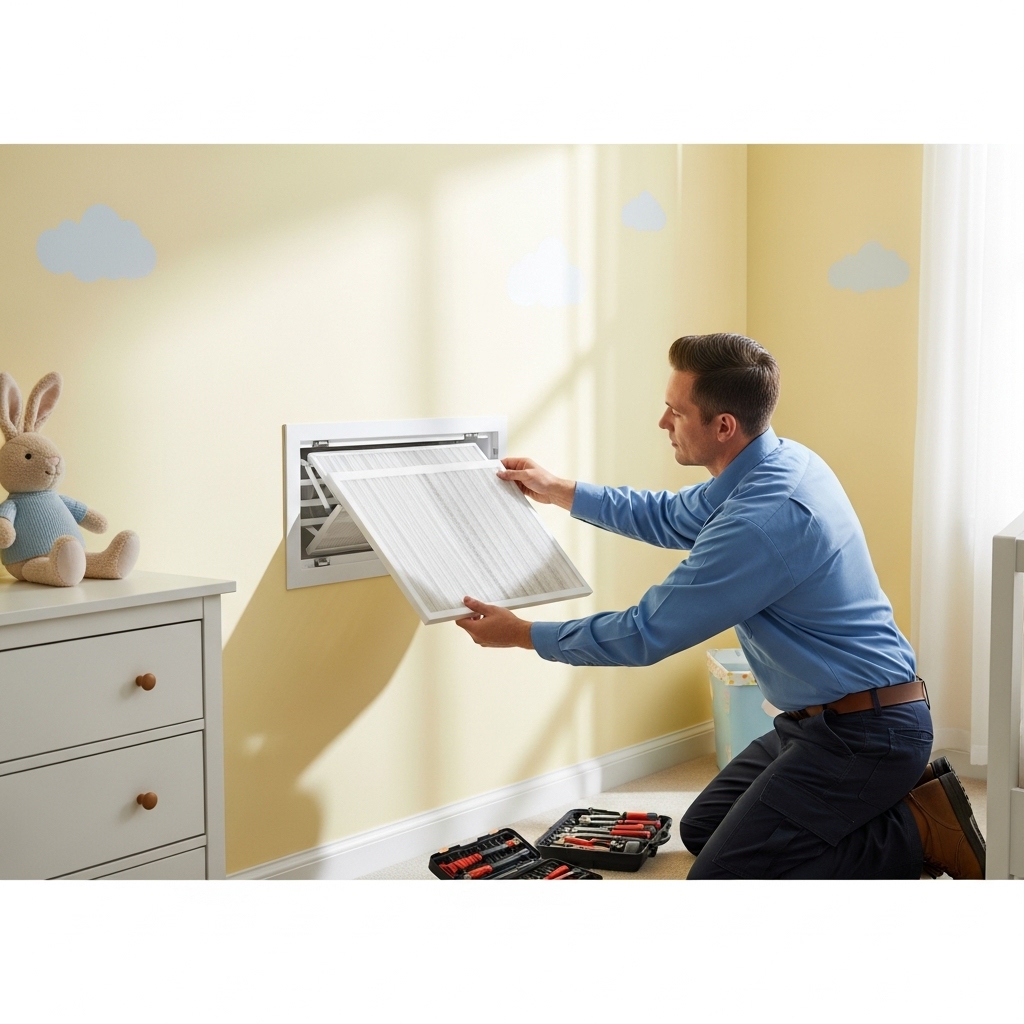
- Filter inspection with recommendations tailored to airflow and allergy needs.
- Final verification, sometimes with photos, to demonstrate thoroughness.
Filtration: A Key Partner to Cleaning
Even the most thorough cleaning cannot stop new dust from forming. That is where filtration choices make a difference. Filters are rated for their ability to capture small particles without restricting airflow excessively. Your system’s blower and duct sizing determine what level of filtration it can handle comfortably. A provider can help you choose a filter that balances capture efficiency with proper airflow so that comfort and equipment health are preserved.
Households with allergies often benefit from consistent filter changes and a schedule that reflects their specific environment—pets, nearby construction, or high pollen seasons. When in doubt, check filters more frequently for a few months to establish a baseline that matches your home’s needs.
Managing Moisture and Humidity
Moisture control is essential because damp conditions can encourage mold growth and dust mite activity. In Elizabeth’s summers, humidity can creep upward, and condensation may appear near coils or in poorly insulated sections of duct. Addressing drainage, insulation, and airflow helps prevent damp spots. Keeping indoor humidity within a comfortable range reduces allergen activity and supports overall air quality.
Watch for signs of moisture around the air handler, under ducts in cool basements, or near windows where condensation tends to form. If you notice persistent dampness, raise it with your provider so they can assess whether airflow, drainage, or insulation adjustments are needed.
Everyday Habits That Reduce Allergen Load
Simple habits compound into significant improvements. Using entry mats and removing shoes reduces tracked-in particulates. Laundering bedding and vacuuming with effective filtration helps remove allergens from fabrics and floors. Keeping returns unobstructed prevents dust buildup and supports proper airflow, while decluttering minimizes areas that collect dust.
- Vacuum with a tool that captures fine particles rather than recirculating them.
- Dust with damp cloths to trap rather than spread particles.
- Wash bedding and washable curtains regularly, especially during high pollen seasons.
- Keep pets groomed and brushed to reduce dander.
- Use doormats at entries and consider shoe-free household routines.
- Check and replace filters on a schedule matched to your environment.
Protection for Sensitive Household Members
Households with infants, seniors, or individuals with respiratory conditions may need extra care during cleaning. Communicate sensitivities to your provider so they can plan containment zones and schedule agitation during times that work for you. Some families choose to take a brief outing during the most active stages of the project; others remain home but in quieter rooms away from the work area.
Good teams will also plan equipment placement and pathways to avoid crowding living spaces, and they will review their protective measures so you know exactly how the home will be safeguarded.
How Often to Schedule Cleaning
Frequency depends on the household. Homes with multiple pets, recent renovations, or persistent allergy symptoms may benefit from more frequent attention. A general approach is to assess conditions during routine HVAC tune-ups and plan cleaning as part of a broader maintenance rhythm. The goal is to prevent heavy accumulations while aligning appointments with your home’s specific patterns.
Between visits, monitor dust levels on surfaces and watch for changes in airflow at registers. If filters load quickly or if certain rooms feel stuffy, these may be signs to consult your provider sooner rather than later.
Working with Elizabeth’s Housing Styles
Row homes and multi-family buildings often have shared infrastructure and access considerations, such as elevator use or limited parking for equipment. Communicate building requirements early so teams can coordinate permissions. Historic homes sometimes feature decorative registers or tight chases behind plaster walls; careful protection and tailored tools help maintain both air quality goals and architectural character.
For homes with finished basements or attic systems, ask how the crew will stage equipment and establish containment without disrupting daily life. A thoughtful plan minimizes inconvenience while maintaining thoroughness.
Frequently Asked Questions
Q: Will air duct cleaning eliminate all allergy symptoms? A: Cleaning is one component of an integrated plan. When paired with filtration, moisture control, and healthy habits, it can significantly reduce triggers, but individual results vary.
Q: Can cleaning help with pet-related allergies? A: Yes. Pet dander can accumulate in returns and ducts. Removing deposits and maintaining filters can lessen circulating dander.
Q: Is sanitizing always needed? A: It depends on conditions. Responsible providers recommend it when specific concerns are present and explain the procedure and safeguards.
Q: Do I need to leave home during cleaning? A: Not necessarily. Many families stay home with containment zones set up. Discuss sensitivities and schedules so the crew can plan accordingly.
Q: How do I keep benefits going after cleaning? A: Replace filters on schedule, manage humidity, keep returns clear, and adopt dust-reducing habits in high-traffic areas.
Breathe Easier at Home
Allergy relief starts with reducing the particles that trigger symptoms. Pair professional air duct cleaning with smart filtration, good housekeeping habits, and attention to moisture, and you will create a home environment that supports easier breathing and everyday comfort for everyone.
