Planning an air duct service in Elizabeth, New Jersey is easier when you understand the factors that shape the scope of work and how to choose the ideal time on your calendar. While every home is unique—from historic residences in Elmora to modern condos along the Waterfront—the fundamentals are similar: define what needs to be cleaned, set clear expectations for protection and documentation, and pick a time that minimizes disruption. This guide explains the major variables that influence the overall scope, how to coordinate a smooth appointment, and what to expect along the way. If you are beginning your research and want a dependable result, learning what professional air duct cleaning includes will help you plan with confidence.
Start by thinking of your HVAC system as a pathway for comfort: return ducts pull air in, the air handler conditions it, and supply ducts deliver it back to rooms. Dust, dander, and everyday indoor particles settle along the way. Removing that accumulation can improve airflow and reduce nuisance dusting. The best outcomes come from a service that is thorough, well-documented, and tailored to your layout.
What shapes the overall scope
Every home presents a distinct combination of system design, accessibility, and indoor activity. These elements determine how extensive the cleaning should be and how technicians plan their work.
- Home size and layout. The number of supply registers and return grilles, the length of trunk lines, and the presence of multiple systems influence planning.
- Access challenges. Finished ceilings, tight chases, or older basements may require more creative access points and careful sealing afterward.
- Household activity. Pets, frequent cooking, and hobbies that produce fine particles can accelerate buildup.
- Recent projects. Renovations, flooring changes, or moving day can introduce significant dust into ducts.
- Material and age. Older ducts or mixed materials (metal and flex) call for adapted agitation techniques.
- Component condition. If the blower compartment or accessible plenum areas show visible debris, adding these to the plan can improve long-term results.
Defining a complete service
A well-scoped plan includes both sides of the air pathway: supply and return ducts, with register and grille removal for separate cleaning. Technicians connect a negative air machine to establish strong suction and use agitation tools to dislodge buildup so debris moves directly into HEPA filtration. When appropriate, they also clean the blower compartment and accessible plenum areas. The work proceeds methodically to avoid cross-contamination, and access points are sealed to code after completion.
Expect protective measures that respect your home—shoe covers, floor runners, and corner guards—and a clear explanation of how hoses will be routed in compact apartments or multistory homes. Documentation is essential: before-and-after photos from inside ducts and a checklist of completed tasks confirm that the service you planned actually happened.
Scheduling strategies for Elizabeth households
Timing your appointment around Elizabeth’s seasonal rhythms can make life easier. Shoulder periods—spring and fall—are popular because HVAC demand is lower, but a thorough service is feasible year-round. Consider these practical tips as you look at your calendar.
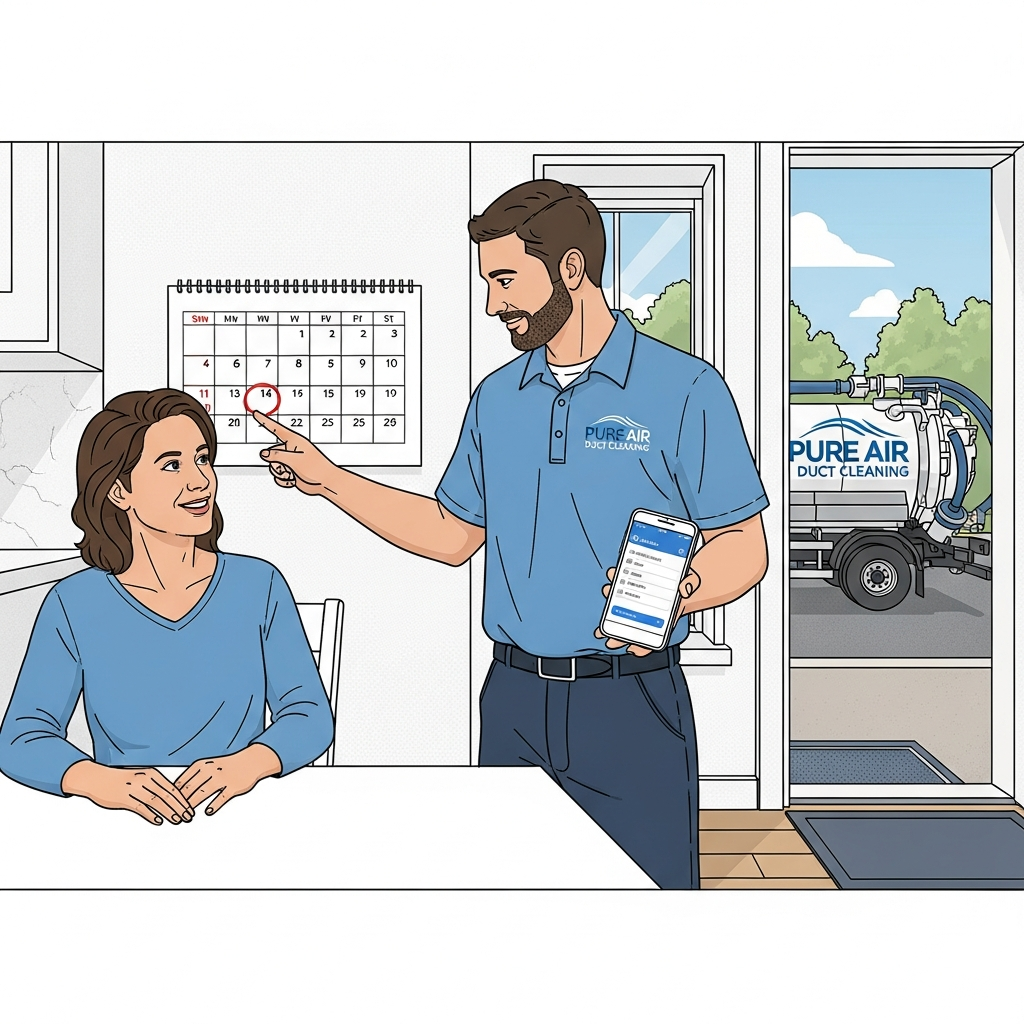
- Align with household routines. Pick a window when you can be available for the initial walkthrough and final review.
- Plan around renovations. Schedule cleaning after dust-producing projects to capture residual debris.
- Coordinate building access. For apartments and condos, arrange elevator time or management approvals in advance.
- Secure parking when possible. Shorter hose runs simplify setup and reduce time spent on logistics.
- Prepare spaces. Move furniture away from registers and secure pets in a quiet room.
Reading and comparing proposals
Instead of focusing on a single headline detail, evaluate the clarity and completeness of each plan. A strong proposal describes exactly what will be cleaned, how technicians will protect your home, and how results will be verified. It will also outline contingencies—for example, what happens if the team discovers a disconnected run behind a finished ceiling. The more transparent the plan, the smoother the visit tends to be.
- Look for detailed scope language with both supply and return sides listed.
- Confirm equipment types, such as negative air machines and HEPA filtration.
- Request photo documentation expectations in writing.
- Ask how access openings will be created and sealed to code.
- Clarify who will be on-site and how long the work is expected to take.
What to expect on the day of service
The crew will begin with a system tour, mapping out supply and return runs and noting any tricky areas. Protective coverings go down, registers are removed, and access points are created where needed. A negative air machine establishes suction while agitation tools dislodge debris toward the vacuum. The team proceeds section by section to keep contaminants moving out of the system. Registers are washed and reinstalled, access openings are sealed, and the final walkthrough covers photos, findings, and recommended maintenance steps.
Noise is normal; mess is not. With proper negative pressure and protective measures, debris is captured and contained. Expect the team to check in periodically, especially if they uncover conditions that merit attention. Their goal is to deliver a well-documented result with minimal disruption to your day.
Making results last
After cleaning, small habits help preserve the outcome. Replace filters on a schedule that fits your system and household. Keep returns free of obstructions so air can move smoothly. Manage indoor humidity during muggy months to discourage particulate clumping. Vacuum registers during routine cleaning. These steps reduce how quickly debris can reaccumulate.
- Check filters monthly and replace as needed.
- Leave several inches of clearance in front of returns.
- Vacuum and wipe registers as part of weekly housework.
- Address moisture or condensation issues promptly.
Elizabeth-specific insights
Local conditions matter. Proximity to major transportation routes can contribute to outdoor particulates that eventually settle indoors. Summer humidity and winter heating cycles alter how dust behaves inside ducts. In older homes, longer horizontal runs can harbor low-velocity pockets where material collects. A provider familiar with Elizabeth’s housing mix will tailor access strategies and equipment power to meet these realities.
Frequently asked questions
Q: How do I decide what the service should include?
A: Ask for an inspection and photos from inside supply and return runs, plus the blower compartment if accessible. Choose a scope that targets where debris is present.
Q: Will this help with airflow and temperature balance?
A: Removing accumulated material can support smoother airflow and more consistent comfort room to room.
Q: How can I prepare my home?
A: Clear space around registers and returns, secure pets, and plan to be available for walkthroughs. If parking is tight, alert the team beforehand.
Q: Is the process safe for older ducts?
A: Yes, when agitation methods are matched to material type and condition, and negative pressure is used to capture debris.
Q: Can I remain at home during the work?
A: Most homeowners stay on-site. Expect equipment noise, but professional crews route hoses and protect surfaces to limit disruption.
Q: What documentation should I receive?
A: Before-and-after photos and a checklist of completed tasks provide proof of a thorough job and create a baseline for future comparisons.
Plan your appointment with confidence
The right timing, a clear scope, and careful preparation lead to a tidy, well-documented result. When you are ready to refresh your home’s air pathways—whether after a renovation, during a move, or as part of seasonal maintenance—schedule professional air duct cleaning and enjoy cleaner registers and smoother airflow across every season in Elizabeth.
