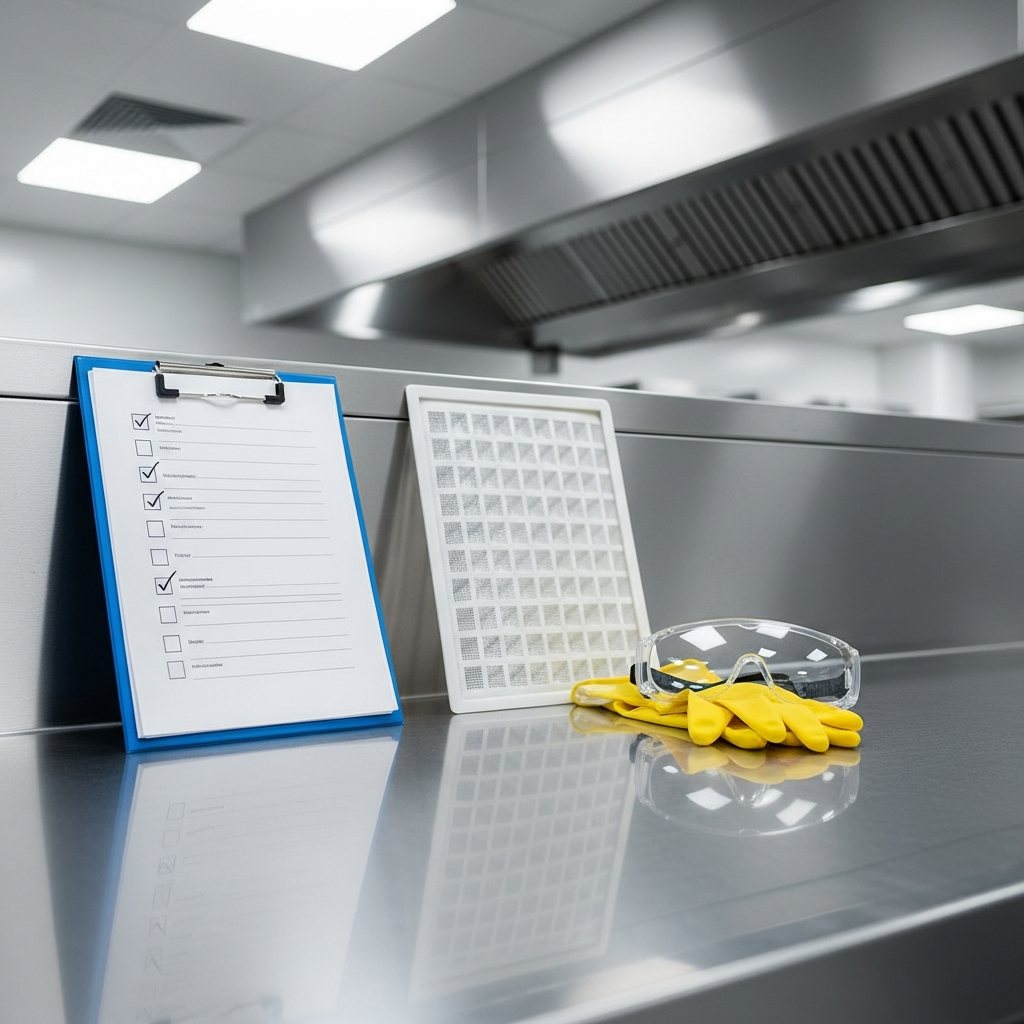
Kitchen Exhaust Hood Cleaning Inspection List for Elizabeth, New Jersey
Restaurants in Elizabeth, New Jersey operate under tight timelines and high expectations for safety, cleanliness, and consistency. A structured inspection list helps managers verify that professional hood cleaning is thorough and that the kitchen remains inspection-ready between services. Whether you lead a busy quick-service concept near the Turnpike, a café in Midtown Elizabeth, or a larger operation with multiple hoods, a clear checklist empowers your team to catch small issues early. Use the following inspection list, guidance, and FAQs to build a robust program anchored in professional kitchen exhaust hood cleaning best practices and local expectations.
Think of the inspection list as your daily, weekly, and post-service roadmap. It confirms that grease is removed from critical areas, documentation is in order, access is safe, and rooftop equipment is protected. With consistent use, your team will recognize early-warning signs—like increased odors or fan vibration—so you can schedule service proactively and keep the line running smoothly.
Daily Visual Checks
Daily checks take minutes and pay dividends in safety and comfort. Managers or shift leads should walk through the following items:
- Confirm that hood canopies and ledges are wiped free of grease at the end of each shift.
- Verify that baffle filters are seated properly, with no gaps that could bypass capture.
- Start the exhaust fan 10–15 minutes before cooking and run it after shutdown to clear vapor.
- Listen for unusual fan noises—humming, grinding, or vibration suggest strain.
- Look for smoke spillage from the hood edges during peak times; weak capture is a red flag.
Log observations and communicate issues during shift handoff. A simple daily checklist reduces the chance that early signs are ignored.
Weekly Tasks
Weekly habits maintain airflow and slow duct loading. Assign responsibility to specific team members:
- Wash baffle filters according to manufacturer guidance; allow them to dry fully before reinstalling.
- Wipe stainless surfaces around the hood perimeter and nearby walls and ceilings to prevent accumulation.
- Empty and clean grease cups or trays; inspect for overflow or leaks at seams.
- Review odor levels—persistent smells after close may indicate the need to adjust your professional schedule.
Keep a log of completed tasks. Consistent documentation supports training and inspector conversations.
Monthly Manager Walkthrough
At least monthly, managers should conduct a deeper look:
- Confirm service sticker dates and ensure they match your maintenance calendar.
- Inspect filter condition for dents or broken welds; replace damaged filters promptly.
- Check for grease staining on ceilings, nearby lights, and walls—signs of reduced capture.
- Verify that rooftop grease containment (if accessible) is in place and not saturated.
- Ensure the make-up air system runs properly; poor balance undermines capture and increases duct loading.
Note any anomalies and share them with your provider before the next service so they can arrive prepared.
Pre-Service Preparation Checklist
Proper staging streamlines professional cleaning and reduces downtime:
- Cool all cooking equipment and turn off gas/electric as required.
- Remove food, utensils, and smallwares from the immediate area; cover fixed equipment.
- Provide clear access to the hood, ducts, and rooftop; arrange roof permissions with building management.
- Confirm water and drain availability and identify any sensitive equipment needing extra protection.
- Designate a manager to meet the crew, review the scope, and perform a post-service walkthrough.
Share this list with new managers to create consistency across shifts and locations.
Post-Service Verification List
After the cleaning crew finishes, use this checklist to confirm thoroughness:
- Hood interiors, plenums, and visible duct openings appear free of grease residue.
- Baffle filters are reinstalled correctly and sit flush with no gaps.
- Exposed stainless steel is clean and wiped dry; no chemical residue remains.
- Exhaust fans run smoothly and quietly during a test cycle.
- Rooftop fan housings and grease containment are clean, properly positioned, and intact.
- Service stickers are updated with accurate dates for each hood.
- The service report includes before-and-after photos, deficiencies, and a suggested next date.
Address any issues with the lead technician immediately so they can be corrected before the crew departs.
Comprehensive Provider Report: What to Expect
Your report is your proof of diligence. It should include:
- Service date/time and technician names.
- Identification of each hood, duct, and fan serviced.
- Methods used—scraping, degreasing, rinse/steam—and any limitations due to access or safety.
- Photos from consistent angles inside ducts and the fan housing.
- Deficiency list with corrective recommendations, such as access panel or hinge installation.
- Next suggested service date aligned to your menu and volume.
Store reports in a binder or digital folder accessible to managers and ready for inspectors. Align sticker dates with the reports to avoid confusion.
Elizabeth-Focused Considerations
Operators in Elizabeth often share rooftops with other tenants, face limited access windows, or manage older ductwork with multiple elbows and long horizontal runs. These variables can accelerate grease accumulation and make access more complicated. Partner with a provider who understands local building layouts, coordinates with property managers, and can install access panels and hinge kits where needed. Proactive planning reduces surprises and supports consistent, thorough results.
Mid-Article Reference
If you are training new supervisors, give them a quick orientation to kitchen exhaust hood cleaning fundamentals and your inspection list. The goal is to standardize expectations, improve communication with vendors, and maintain inspection readiness across shifts.
Frequently Asked Questions
Q: How often should I schedule professional cleaning in Elizabeth? A: Frequency depends on cooking volume and methods. High-volume frying or charbroiling may require monthly cleaning; moderate volume may be quarterly; lighter use could be semiannual. Use photo evidence and inspector guidance to refine.
Q: What if I do not have access panels? A: Without access panels, full duct cleaning is impossible. Plan for code-compliant panel installation so technicians can reach all interior surfaces and document results.
Q: How can I tell if the cleaning was complete? A: Review before-and-after photos in the report, confirm quiet fan operation, and check that stainless surfaces are free of residue. Stickers should be updated with the correct date.
Q: Do I need to be on site during service? A: A manager or designated lead should meet the crew, review the scope, confirm access, and perform a post-service walkthrough to verify results and receive the report.
Q: Are chemicals safe for food areas? A: Professional products are formulated for commercial kitchens and are followed by thorough rinsing and cleanup to leave surfaces safe and dry.
Q: What rooftop issues should I watch for? A: Saturated containment materials, staining around the fan, and evidence of overflow after storms are red flags. Notify your provider promptly to prevent damage.
Q: Can I standardize across multiple locations? A: Yes. Build a master inspection list and centralize photo reports so regional managers can compare results and adjust frequency per site.
Q: How do make-up air and ventilation balance affect results? A: Poorly balanced make-up air undermines capture and increases duct loading. Verify that make-up air units operate correctly and are maintained.
Manager’s Quick-Use Inspection List
- Daily: wipe hood exterior, confirm filter seating, run fans before/after cooking.
- Weekly: wash filters, empty grease cups, wipe adjacent walls/ceilings.
- Monthly: check sticker dates, inspect filter integrity, review odors and airflow.
- Pre-service: cool equipment, clear access, confirm roof permissions.
- Post-service: verify photos, stickers, fan test, and report completeness.
Use this list during shift changes and monthly meetings to keep expectations front and center. Consistency across teams is the fastest way to stabilize performance and compliance.
Final Notes on Building a Culture of Readiness
Checklists are only effective when they become habit. Start small, celebrate consistency, and refine the list as your operation evolves. Over time, managers will spot issues earlier, vendors will arrive better prepared, and inspections will go faster. Your kitchen will be safer, cleaner, and a more comfortable place to work—benefits that directly support guest satisfaction.
Book Your Next Service
Keep your operation inspection-ready by scheduling professional kitchen exhaust hood cleaning in Elizabeth, New Jersey. Align your inspection list with a dependable maintenance schedule, request photo-documented reports, and give your team the confidence that comes from a clean, compliant exhaust system.
