Kitchen Exhaust Hood Cleaning Frequency in Elizabeth, New Jersey
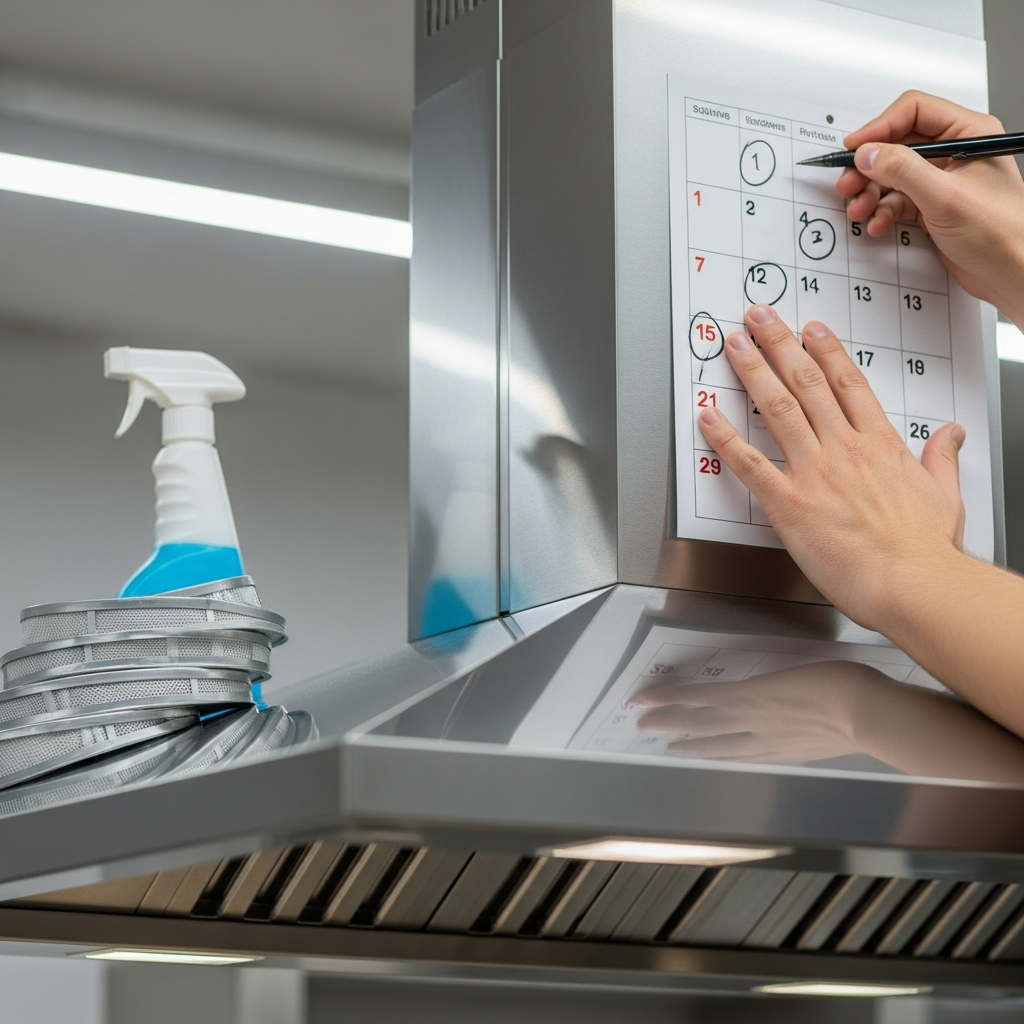
Determining the right kitchen exhaust hood cleaning frequency is one of the most important safety and performance decisions a restaurant in Elizabeth, New Jersey can make. The correct interval controls fire risk, keeps airflow steady on the line, helps your rooftop equipment last longer, and streamlines inspections. While general guidance exists, the best schedule is customized to your actual cooking load, menu, and hours. If you are establishing a new plan or recalibrating after a menu change, start by reviewing trusted references for kitchen exhaust hood cleaning and then adapt those principles to your restaurant’s reality in Elizabeth.
Why is frequency so critical? Grease vapor is generated every time hot oil, fat, or sauces meet high heat. The hood captures that vapor, filters intercept some droplets, and the remainder condenses along duct walls and inside the exhaust fan. Over time, this becomes a combustible layer. The faster your operation produces grease, the faster this layer forms. A thoughtful schedule prevents high-risk buildup while minimizing disruption to your business.
Common Frequency Categories
Local authorities in Elizabeth often reference the following frequency bands aligned with NFPA 96-style guidance, adjusted for your actual conditions:
- High-volume frying, charbroiling, or wok cooking: often monthly.
- Moderate-volume mixed menus: quarterly.
- Low-volume or seasonal operations: semiannually to annually.
- Solid-fuel cooking (wood or charcoal): typically more frequent than high-volume standards.
These are not rigid rules—just starting points. The right frequency is evidence-based and may require tightening or relaxing after your first few cycles. Document observations and make changes deliberately.
Signals That Your Interval Is Too Long
Managers and line cooks are your early-warning system. Watch for these signs:
- Visible smoke rolling out from under the hood or lingering in the kitchen.
- Grease drips reappearing soon after wipe-downs.
- Strong odors that persist after closing.
- Fans that sound strained, vibrate, or hum loudly.
- Rooftop containment absorption pads saturated or overflowing.
Any of these signals suggest deposits are building faster than expected. Move the next cleaning forward, then reassess ongoing frequency based on technician findings and photo documentation.
Data-Driven Scheduling
To calibrate frequency with confidence, use data rather than assumptions. Ask your provider to include consistent photo angles of ducts and fans in every report. Track cooking hours, menu mix (for example, the ratio of fried items to sautéed or baked dishes), and seasonal shifts. When a new menu item—like a popular fried appetizer—takes off, it may demand a tighter interval. Conversely, if your concept shifts to more steaming and baking, you might safely extend the cycle, with inspector approval.
Elizabeth-Specific Considerations
Elizabeth’s restaurant landscape includes older buildings, multi-tenant rooftops, and a mix of legacy and modern ventilation systems. Long horizontal duct runs or multiple elbows can collect grease faster than straight vertical risers. Shared rooftops may restrict service windows or require coordination with building management. Extreme summer heat or winter cold can change grease behavior, affecting capture and flow. All of these local variables influence how quickly deposits form and must be factored into your schedule.
The Role of Access and Equipment Condition
Even the best frequency plan fails if technicians cannot reach the grease. Ensure you have code-compliant access panels at required intervals, hinge kits on rooftop fans to allow safe opening, and adequate grease containment. Damaged or bent baffle filters can reduce capture and push more vapor into the duct, accelerating buildup. Part of frequency management is keeping the system itself in good shape—clean filters, intact panels, and maintained fans.
How In-House Habits Influence Frequency
Daily and weekly staff routines can slow accumulation and stabilize your schedule. Consider these habits:
- Wash baffle filters on a regular cadence, more frequently for heavy fry stations.
- Wipe hood canopies and ledges after each shift to prevent sticky layers from hardening.
- Run exhaust fans before the first cook and after shutdown to clear lingering vapor.
- Empty grease cups and check rooftop containment routinely, especially after storms.
- Report changes in airflow, odor, or fan noise to management immediately.
These practices complement professional cleaning and often allow you to maintain your chosen interval without surprises.
Case Examples: Adjusting Frequency
Consider a quick-service location near Midtown Elizabeth that upgrades its menu with a new fried chicken item. Within a month, managers observe stronger odors and light smoke at hood edges. Photo reports show faster duct accumulation than before. The operator shifts from quarterly to monthly cleaning for the main line hood and keeps the prep hood on a quarterly cadence. After three cycles, airflow stabilizes and odors diminish.
Another example: a small café near the waterfront transitions from pan-searing to more baking and steaming. Grease generation drops noticeably. After several cycles with low deposit photos, the operator extends frequency from quarterly to semiannual—documented in reports and confirmed with the inspector’s guidance.
Documentation: The Backbone of Frequency Decisions
Every change to your interval should be supported with evidence and recorded in your compliance binder. Include service reports, before-and-after photos, notes on menu shifts, and staff observations. Ensure hood stickers align with the chosen schedule so inspectors can quickly verify compliance. Transparent records make it easy to justify your plan and adapt as your business evolves.
Mid-Article Resource
When training new supervisors on scheduling, include a concise overview of kitchen exhaust hood cleaning principles. Clear expectations help teams notice early warning signs and escalate issues before they become emergencies.
Coordination in Multi-Tenant Buildings
Many Elizabeth restaurants share ducts or rooftops with other tenants. Coordinate cleaning windows in advance, confirm elevator access when needed, and communicate with neighbors about temporary noise from rooftop work. Your provider should arrive with appropriate containment materials to protect shared spaces and to prevent grease discharge that could affect other businesses.
Balancing Compliance, Safety, and Operations
The right frequency balances three priorities: minimizing fire risk, passing inspections, and keeping your kitchen running without disruption. While monthly intervals may feel aggressive to some operators, they can deliver quieter fans, better capture, and fewer odors—benefits that directly improve daily service. On the other hand, if data shows your operation produces minimal grease, semiannual cleaning may be both safe and compliant. The key is to revisit your decision as conditions change.
Frequently Asked Questions
Q: Who decides my frequency in Elizabeth? A: Local fire prevention officials have final authority and may reference NFPA 96. Your provider recommends an interval based on observed grease levels, but inspectors can require adjustments.
Q: What if my rooftop fan is hard to access? A: Install a hinge kit and confirm safe roof access. Without proper hinges, fans may not be fully opened, leading to incomplete cleaning and unreliable scheduling.
Q: Can I use one interval for all hoods? A: Not always. Main cook lines may need more frequent service than prep or dish hoods. Tailor intervals by hood and document them separately.
Q: How do I know if I can safely extend my interval? A: Review multiple photo-documented cycles that show minimal buildup, verify strong airflow, and consult your inspector. Extend gradually and continue to monitor.
Q: How does staff turnover affect frequency? A: New teams may adopt different cooking habits, changing grease output. During transitions, monitor closely and consider a temporary tighter schedule.
Q: Does make-up air impact frequency? A: Yes. Poorly balanced make-up air reduces capture and can increase duct loading. Verify your make-up air is functional and sized correctly.
Q: Are there seasonal adjustments I should make? A: Holiday peaks can increase grease output; consider interim checks during these periods. Afterward, you may return to your standard interval.
Practical Steps to Implement Your Plan
- Start with a baseline cleaning and photo report of your entire system.
- Choose an initial interval aligned to your menu and volume.
- Review photo evidence and staff feedback after each cycle.
- Adjust intervals by hood as needed; document every change.
- Maintain in-house habits that slow buildup and stabilize airflow.
By following these steps, you build a living schedule that evolves with your operation and keeps you inspection-ready all year.
Final Thoughts on Frequency
In Elizabeth’s fast-paced dining environment, the best cleaning frequency is the one you can defend with evidence and sustain with routine. Set your interval based on data, reinforce it with staff habits, and make small, well-documented adjustments as needed. The payoff is significant: safer kitchens, steadier airflow, fewer surprises, and smoother inspections.
Ready to Set the Right Schedule?
Protect your team and your business by establishing a data-driven plan for professional kitchen exhaust hood cleaning in Elizabeth, New Jersey. Align frequency with your real cooking load, document each cycle thoroughly, and stay ahead of inspections with a schedule that works for your kitchen every day.
