If you are evaluating air duct cleaning for a home or small business in Elizabeth, New Jersey, it is smart to understand what drives the overall cost before you schedule a visit. Clear expectations help you plan, compare providers, and avoid surprises on service day. In the sections below, you will find a thorough guide to the factors that influence the investment, how local conditions shape scope and timing, and practical steps to prepare your space. You will also see exactly which questions to ask when you request proposals. Whether you live near the Elizabeth River, Elmora, or the North End, this guide will help you make informed, confident decisions about professional air duct cleaning.
Why understanding air duct cleaning cost matters
Indoor air quality, comfort, and HVAC efficiency are closely tied to the cleanliness of your ductwork. But the work involved to achieve a thorough, responsible cleaning varies widely from one property to another. The layout of your duct system, the accessibility of returns and trunks, the presence of particulate buildup, and even recent renovations all play a role. By understanding these variables in advance, you can request clear, apples-to-apples estimates that reflect your actual needs, instead of generic, one-size-fits-all promises.
Elizabeth, New Jersey features a mix of older residences with complex basements and crawlspaces as well as newer construction with tighter envelopes and different duct materials. These local differences shape both preparation and execution. The goal of this guide is not to push a single approach, but to equip you to choose a scope of work that matches your system, so the final results align with your expectations.
How the size and layout of your home shape total cost
The overall square footage of your home only tells part of the story. The number of supply registers, return grilles, and zones has a stronger influence on labor time and equipment setup. A compact two-story row home with a single air handler may be more straightforward than a similar-size property with multiple additions, split systems, and tight attic runs. Duct geometry, vertical drops, and the presence of branch lines branching off main trunks all affect how long it takes to connect negative air machines, isolate segments, and agitate debris safely.
Ceiling height matters as well. Tall foyers, cathedral ceilings, and elevated returns require additional ladders, staging, or careful protections for walls and trim. In older Elizabeth homes, some returns are integrated into wall cavities, which can call for specialized tools and procedures to reach dust in those cavities without damaging finishes. When a provider assesses your property, they should note every return, supply, trunk, and plenum so the scope reflects the full duct network.
System design, materials, and age
Duct systems vary in material and condition. Galvanized steel ducts respond well to mechanical agitation and negative pressure methods. Flex ducts, common in attics or recent renovations, demand gentler techniques and careful handling to prevent tears or kinks. Fiberboard duct sections are porous and require particular attention to prevent damage while effectively removing particulate from the surface.
The age of the system impacts buildup and access. Older systems may have legacy modifications, patches, or sealed-off runs. There can be tight transitions to plenums or oddly placed dampers that slow progress. With age also comes the potential for dried mastic and brittle tape, which may need touch-ups or sealing after cleaning. An accurate estimate should reflect those realities through a site visit or detailed virtual walkthrough, rather than a generic promise based on a simple vent count.
Contamination level and specific conditions
Not all dust is the same, and not all debris behaves identically. Construction residue from a recent remodel clings differently than fabric lint or household dust. Pet dander can be abundant in homes with multiple animals. Infrequently occupied spaces might have more settled particulate in long horizontal runs. If there are signs of moisture intrusion, microbial growth, or pest activity, the project scope must address containment, safety, and source control as part of the cleaning plan.
In Elizabeth, where seasonal humidity can swing widely, condensation at coils, drain pans, or uninsulated duct sections may contribute to sticky films inside ducts. Sticky films trap more dust and require additional agitation and dwell time to remove. Responsible providers will differentiate between standard cleaning needs and situations that call for targeted remediation steps. That clarity helps you understand how the condition of your system influences schedule and total effort.
Scope of work and methodology
Two proposals can look similar on the surface, yet differ significantly in the work performed. The core of a thorough cleaning includes establishing negative pressure, isolating segments, and using controlled mechanical agitation to move debris from branch lines and trunks into high-efficiency filtration. Registers and grilles are cleaned, and plenums are addressed with care appropriate to materials. The blower compartment, evaporator coil housing exterior, and accessible cabinet surfaces are typically included, while coil cleaning itself may be a separate service due to its specialized requirements.
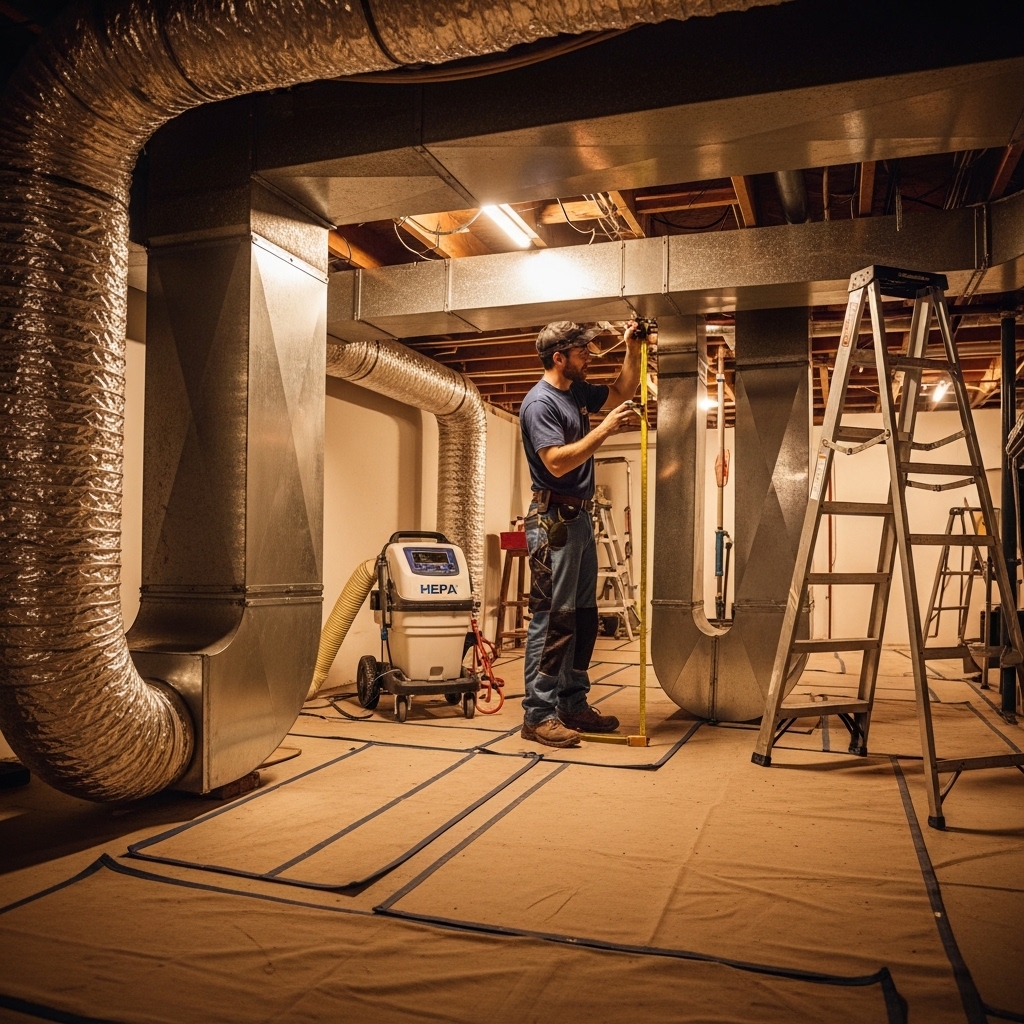
Method choices also influence time on site. Truck-mounted negative air machines and portable HEPA units can both be effective when used properly. What matters is matching equipment to the building’s layout and ensuring continuous containment so debris does not escape into occupied rooms. Ask providers to outline the equipment they will use, their isolation process, and how they protect furnishings, floors, and finishes throughout the visit.
Access, protections, and safety
Gaining safe access to attics, crawlspaces, and tight mechanical rooms can lengthen the project. In some Elizabeth neighborhoods, narrow driveways or limited street parking can influence equipment placement and hose routing. Indoors, stairwells and finished spaces may require additional coverings, corner guards, and careful planning to prevent scuffs. If returns or trunks pass through finished closets or behind built-ins, technicians may need extra time to move items or adapt tools to avoid damage.
Safety considerations also shape the pace of work. Where there is a history of moisture issues or suspected microbial growth, technicians may use additional personal protective equipment. If household members have asthma or allergies, the team may plan for extended ventilation or temporarily isolating specific areas while work is performed. All of these steps are part of a responsible plan that prioritizes occupant health.
Seasonality and scheduling in Elizabeth, New Jersey
Demand for duct cleaning can rise during shoulder seasons when homeowners prepare for cooling or heating peaks. Scheduling during busier periods may mean booking further in advance. Weather can also play a role. Heavy rain or heat waves may influence the pace of exterior setup, while extreme cold can affect door open times. The best approach is to plan ahead, especially if you want to coordinate duct cleaning with other HVAC services like inspections, filter upgrades, or sealing work.
Planning ahead also lets you choose appointment windows that minimize disruption. If you work from home or have small children, consider a morning slot that allows for afternoon airing out and system testing. If your property is part of a homeowners’ association, check any rules about contractor parking or protective coverings in common areas, as these requirements can add steps on the day of service.
How to prepare your home to save time
Preparation reduces delays and helps the crew focus on your ducts. Clear a pathway to returns and supply registers by moving furniture a few feet away. Identify any fragile décor near vents and remove it temporarily. If access is needed to an attic or crawlspace, make sure that path is free of storage bins or obstructions. Check that pets are secured in a separate room during the visit to prevent stress and keep doors from opening unexpectedly.
It helps to note any comfort issues you have observed, such as specific rooms that feel dusty or a return grille that darkens quickly. Share details about recent renovations, water events, or pest treatments. The more context you provide, the better the team can tailor agitation and containment to target your concerns efficiently.
Documentation and post-cleaning verification
Professional crews typically document before-and-after conditions at key access points, such as main trunks, returns, and plenums. You should expect a summary of the work performed and any noteworthy findings, like loose duct connections, compromised insulation, or signs of moisture. Documentation is not just for your records; it helps you plan next steps, whether that means replacing a filter, addressing a small air leak, or evaluating insulation in an attic run.
Post-cleaning verification can include visual checks at access ports and performance observations like improved airflow and reduced dust accumulation on registers. Some homeowners also note fewer allergy symptoms or a more consistent temperature distribution. While verification is practical, it should always be safe and non-destructive. If you have questions about what was completed, ask your provider to walk you through photos and any recommendations that emerged from the work.
Requesting and comparing proposals
To ensure estimates reflect reality, provide the same information to each company: the number of returns and supplies you can see, the location of air handlers, attic or crawlspace notes, and any known challenges. Ask the provider to detail how they will establish negative pressure, whether they will clean both supply and return trunks, and how they will protect your home. Request a written scope that specifies components included and clarifies any optional services that may be recommended based on on-site findings.
When you compare proposals, focus on scope thoroughness, safety measures, and documentation standards. Look for clear language about agitation methods, filtration level, and how access points are sealed after cleaning. Consider the company’s local experience in Elizabeth and nearby communities. Providers familiar with local building styles and materials can anticipate common challenges and plan accordingly.
Choosing a qualified provider
Credentials, training, and insurance are foundational. Technicians should be experienced with your duct materials and your type of HVAC system. Ask about ongoing training and whether the team is familiar with complex layouts like multi-zone systems or historic properties. A provider who can clearly describe their process—and who adjusts that process for your building—demonstrates professionalism and respect for your home.
Midway through your decision-making, revisit your primary goals: cleaner air, better comfort, or system efficiency. Choose a team that aligns with those goals and has a documented process to deliver. If you want a benchmark for your research, look for local specialists in air duct cleaning who can explain each step, show you example reports, and describe how they handle special situations like tight soffits, plaster returns, or long attic runs.
How often to clean and how to maintain results
Frequency depends on household factors like pets, renovation history, and allergy sensitivities. After a thorough cleaning, many homes benefit from upgraded filtration, consistent filter changes, and attention to sources of dust like leaky returns or gaps at filter doors. Sealing small air leaks at accessible joints can reduce dust ingress. Managing humidity levels helps prevent sticky films that trap particulate on duct walls.
Think of duct cleaning as part of a broader indoor air quality strategy. Simple habits, such as using a doormat, vacuuming with a HEPA-filtered machine, and running bathroom or kitchen exhaust fans, can reduce the load on your HVAC system. When fewer contaminants enter the ducts, results last longer and your system can operate closer to its intended performance.
Common myths about air duct cleaning cost
One common misconception is that all duct cleanings require the same effort. In reality, the difference between a system with straight, accessible trunks and one with multiple additions and concealed returns is significant. Another myth is that the work can be done without establishing continuous negative pressure. Skipping that step risks redistributing dust into living spaces and yields uneven results. A third myth is that a quick vent-only approach is sufficient; thorough cleaning addresses the entire system pathway, not just the visible components.
It is also incorrect to assume that every home needs additives or chemical treatments. In many cases, mechanical agitation and capture are the core of responsible cleaning. Where there is a specific contamination issue, targeted steps may be advised, but those steps should be explained, justified, and matched to your materials. An informed homeowner knows to ask for the reasoning behind each recommendation, and reputable providers will gladly provide it.
Local considerations unique to Elizabeth, NJ
Elizabeth’s mix of architectural styles means different access challenges and duct types across neighborhoods. Some older properties include gravity return cavities behind plaster, which call for careful technique. Others feature long basement trunks with multiple take-offs that require methodical sectioning and agitation. Seasonal humidity and proximity to waterways can contribute to occasional condensation concerns, so paying attention to insulation and drainage around the air handler and coil area is wise.
Additionally, multi-family buildings and row homes often have tighter mechanical rooms and shared walls. Coordinating with neighbors or building management to manage noise and access can streamline the process. A locally experienced team will already be familiar with these conditions and can propose realistic timelines for completing the work without unnecessary disruption.
What to expect on service day
Expect a brief walkthrough to confirm the plan and note any fragile items. The team will set protections for floors and corners, position equipment, and isolate the system. Access openings are created where needed and sealed after cleaning. Registers and grilles are removed, cleaned, and reinstalled. Throughout the process, technicians will use agitation tools appropriate to your duct materials, working from branch lines back to trunks and returns under negative pressure so debris flows into filtration rather than into rooms.
Before departing, the crew should confirm system operation, install or check the filter you provide, and review findings. You will receive photos or a summary showing key areas before and after. This is the time to ask questions about future maintenance, any small repairs you may consider, or how to mitigate observed issues like minor air leaks or insulation gaps around accessible ducts.
Frequently asked questions
How long does a typical residential duct cleaning take? Duration varies based on home size, duct layout, and contamination level. Many single-system homes can be completed within a portion of a day, while larger or more complex systems may require longer.
Will duct cleaning make a mess in my home? Responsible crews use negative pressure, containment, and thorough protections to keep living spaces clean. After the visit, they remove coverings and clean up work areas.
Do I need to leave the house? Most homeowners remain on-site. If you are sensitive to dust or noise, consider scheduling a time when you can be in a separate area or step out during the most active agitation.
Is chemical treatment always necessary? No. Mechanical cleaning under negative pressure is the foundation. Targeted treatments may be recommended for specific issues, but they should never be automatic or unexplained.
How can I maintain results? Replace filters on schedule, address minor air leaks, manage humidity, and keep returns unobstructed. Share any new renovations or changes with your provider before the next cleaning.
What if I have flexible duct sections? Flex duct can be cleaned effectively but calls for gentler methods. Experienced providers will adapt tools and technique to protect the material.
Can I combine duct cleaning with other HVAC work? Yes. Coordinating with inspections, coil maintenance, or minor sealing can be efficient. Just make sure schedules are aligned so airflow and access are available when needed.
Make a confident decision for your home
By understanding how property layout, system materials, contamination, and methodology affect the scope, you can request clear proposals and choose a provider who delivers thorough results. Take time to prepare your home and share relevant history, and you will help the crew work efficiently while protecting your space. For a careful, transparent process from start to finish, consider a local team experienced with Elizabeth’s housing stock and the nuances of our climate.
When you are ready to breathe easier and support your HVAC system’s performance, schedule professional air duct cleaning with a trusted local provider. Plan ahead, ask for a detailed scope, and expect clear communication at each step. With preparation and the right partner, your ducts can be cleaned thoroughly and responsibly, leaving you with a home that feels fresher and more comfortable season after season.
