Step by Step Air Duct Cleaning Process in Elizabeth, New Jersey
A well-executed air duct cleaning follows a structured sequence designed to protect your home, capture debris efficiently, and verify the results. In Elizabeth, New Jersey—where coastal humidity, winter heating cycles, and busy roadways add to indoor air challenges—understanding the process gives you confidence and helps you prepare for the appointment. Whether you live in an older row house near E-Port or a newer townhouse in Midtown, this step-by-step guide shows what skilled technicians do from start to finish to deliver a thorough air duct cleaning process that leaves your system cleaner and your home fresher.
Every successful job starts with planning: confirming building access, parking logistics, and the location of the air handler and registers. Good planning avoids delays, reduces disruption, and ensures technicians arrive with the right tools and protective materials for your home’s layout.
Step 1: Initial Walkthrough and Assessment
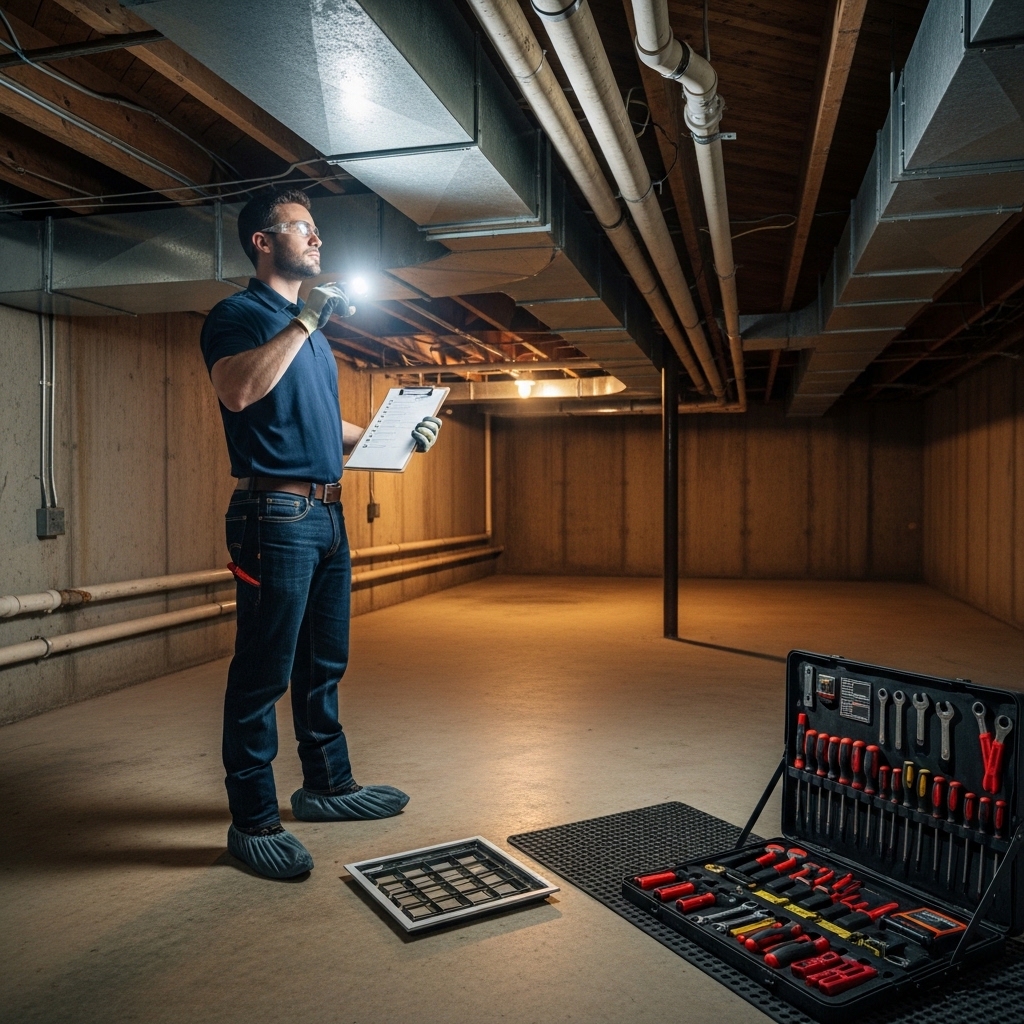
Technicians begin with a walkthrough to learn the layout and to discuss any concerns you have noticed—odors on startup, rooms that feel stuffy, or visible dust near registers. They identify supply and return registers, locate the air handler, and note any attic or basement sections that may require special access. In older Elizabeth homes, past renovations can leave duct sections in unexpected places; experienced teams anticipate and plan for these quirks.
During the assessment, the technician explains the scope of work and how they will protect floors, walls, and furnishings. This conversation sets expectations for noise levels, timing, and what you can do during the appointment.
Step 2: Protection and Containment
Before equipment is set up, floors and high-traffic pathways are protected. Registers are removed carefully and set aside for cleaning. The system is isolated, and containment measures are placed to ensure dislodged debris flows into the collection equipment rather than into living areas. Establishing strong negative pressure is essential; it turns the duct network into a controlled pathway from the agitation point to the filtration unit.
Proper containment provides peace of mind. You can expect technicians to move methodically, keeping tools organized and work areas neat throughout the appointment.
Step 3: Creating Negative Pressure
Once containment is set, technicians connect a high-powered, filtered collection system to the ductwork. This equipment creates negative pressure, drawing air and loosened dust toward the filtration unit. Negative pressure is the backbone of safe, effective cleaning; it ensures particles do not escape into rooms when the agitation phase begins. The setup is sized for residential ducts and calibrated to capture debris without stressing older materials.
With negative pressure established, the system is ready for thorough, controlled cleaning.
Step 4: Agitation and Debris Release
Technicians use soft-brushed whips, air nozzles, and hand tools to loosen dust and debris from duct walls, taking special care near elbows, takeoffs, and transitions where accumulation tends to be heaviest. The tools are selected based on duct material and condition—older metal runs may require gentler handling than newer sections. Register covers and the surrounding openings are cleaned as well, reducing the chance that surface dust re-enters the system.
As debris is dislodged, negative pressure carries it toward the filtration unit. This controlled sequence prevents the dust from drifting into your living space while maximizing removal.
Step 5: Returns, Supplies, and Trunk Lines
A complete cleaning includes both return and supply runs, along with the main trunk lines that carry air throughout the home. Returns often accumulate the most debris because they pull air—and with it, household dust—back to the air handler. Supplies deliver conditioned air to each room; cleaning them helps restore even airflow and can reduce minor hot or cold spots. Trunk lines tie the system together; attention to these sections ensures thoroughness rather than a patchwork approach.
Technicians progress in an organized sequence that prevents cleaned sections from being re-contaminated by sections still being agitated.
Step 6: Air Handler and Blower Compartment
Removing dust from ductwork is only part of the job. Technicians also clean accessible areas of the air handler and blower compartment where safe and appropriate, taking care not to overstep into components that require separate HVAC service. This attention helps reduce the chance that debris re-enters the ducts when the system starts and supports smoother, quieter operation.
Filters are checked, and many homeowners choose to install a fresh one after the cleaning is complete to lock in the benefits.
Step 7: Post-Cleaning Verification
Verification turns an invisible service into something you can evaluate. Technicians perform a visual inspection and share photos from key points along the duct network, showing before-and-after conditions. They review any issues discovered, such as loose joints or gaps that should be sealed by an HVAC professional, and they discuss maintenance suggestions tailored to your household—pets, renovations, work-from-home schedules, and sensitivity to dust.
This step ensures you understand what was done and how to keep your ducts cleaner for longer.
Elizabeth-Specific Considerations
Local conditions affect how ducts accumulate debris and how technicians plan their work. In humid summers, condensation around the air handler can combine with dust to create musty odors if the system is neglected. During long winter heating cycles, the system runs for hours, recirculating air and making dirty ducts more noticeable. Homes near busy roads bring in extra particulates on shoes, clothing, and pets, which return grilles draw back into the system. Experienced teams schedule and stage equipment with these factors in mind, from handling tight basements to navigating limited street parking.
Older homes may have duct sections added during renovations. Gentle, well-chosen tools protect these areas while still removing accumulated debris.
How to Prepare for a Step-by-Step Cleaning
A smooth appointment starts with simple preparation. Clear access to registers and the air handler. Move fragile décor away from vents. Plan a quiet space for pets. If parking is limited, coordinate with the office to reserve space or suggest a nearby lot. Make a list of rooms that feel stuffy or inconsistent so technicians can pay special attention to those areas.
By preparing your home, you help technicians focus on what matters most: removing debris and restoring clean airflow through your ducts.
What You Will Notice After the Process
Homeowners often report fresher-smelling air when the system starts, less visible dust on furniture, and more even comfort from room to room. Some families notice fewer sniffles or morning throat tickles as dust and dander levels in circulated air decline. These benefits compound when paired with regular filter changes and sensible habits like keeping returns clear and using entry mats to reduce tracked-in debris.
The system itself may sound smoother as airflow improves, especially if dust build-up had been causing turbulence near vents or inside the blower compartment.
Mid-Cycle Support and Follow-Up
Sometimes you need help between regular maintenance intervals—after a home project stirs up dust or during a particularly humid stretch in summer. A provider that understands Elizabeth’s rhythms can schedule targeted inspections and cleaning where needed. When you are ready to plan your next service, consider reaching out for thorough air duct cleaning that fits your timetable and your home’s layout.
Knowing you have a local team to call makes ongoing care straightforward and stress-free.
Keeping Ducts Cleaner, Longer
Small habits have big payoffs. Replace filters on a schedule that fits your household—often every 60–90 days, or more frequently with shedding pets or after renovations. Vacuum and wipe around returns as part of regular cleaning. Use bathroom fans during and after showers to manage humidity. Keep furniture and drapes away from grilles to allow proper airflow. If you have an older home, consider asking your technician about sealing options for accessible joints to reduce air leaks that draw in dust.
These steps support the work done during cleaning and extend the benefits.
FAQs
Question: How long does a full step-by-step cleaning take? Answer: It depends on home size and duct complexity, but a thorough job typically takes several hours to ensure complete agitation, capture, and verification.
Question: Will the process be messy? Answer: With proper containment and negative pressure, debris is captured by filtration equipment rather than entering living spaces. Floors and furnishings are protected and left tidy.
Question: Do I need to leave the house? Answer: Not usually. Many homeowners stay home. Technicians will ask you to keep pathways clear and pets secured.
Question: Will cleaning fix uneven temperatures? Answer: Cleaning improves airflow and may reduce minor hot and cold spots. Persistent imbalances can require duct balancing or design changes.
Question: How often should I repeat the process? Answer: Many homes do well with inspections every 2–3 years, adjusting for pets, renovations, and sensitivity to dust.
Question: Is sanitizing always required? Answer: Not necessarily. It is considered when specific odor or microbial concerns arise. Your technician will advise based on inspection.
Take the Next Step for Fresher Air
Now that you know how a proper cleaning unfolds, you can schedule with confidence and prepare your home for a smooth visit. Book your local air duct cleaning appointment and enjoy cleaner air, a tidier home, and an HVAC system that runs the way it should.
