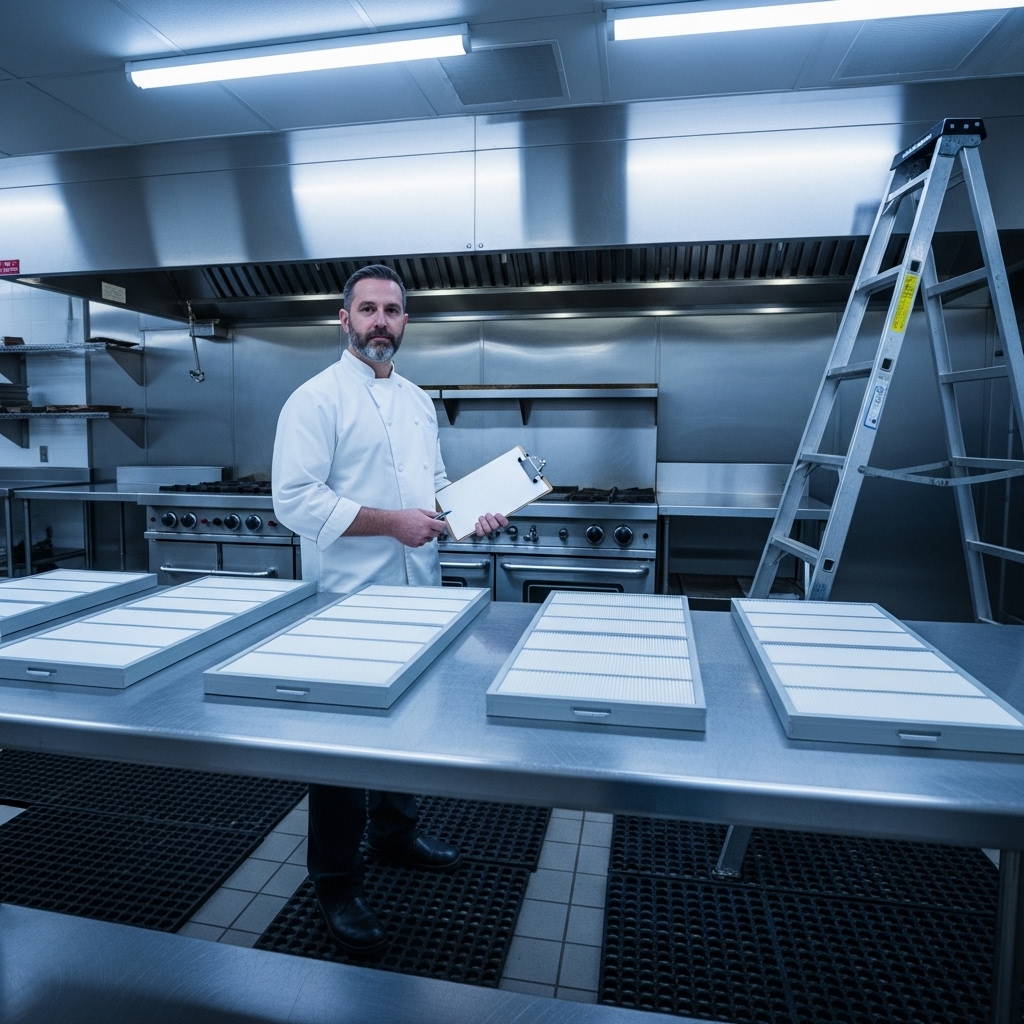
A reliable kitchen exhaust hood cleaning checklist is the backbone of safe, efficient operations in Elizabeth, New Jersey. Whether you manage a quick-service concept near transportation hubs, a neighborhood deli in Elmora, or a full-service restaurant downtown, a consistent routine keeps grease in check, airflow strong, and inspections predictable. Use this comprehensive checklist to organize tasks your staff can perform, coordinate professional service, and document results. For a reference point on what end-to-end service should include, review professional standards for kitchen exhaust hood cleaning and compare them to your current practices.
Daily front-line tasks
- Wipe the hood’s exterior stainless with a food-safe cleaner, paying attention to seams and corners.
- Empty and clean grease cups and troughs before they overflow.
- Confirm baffle filters are seated correctly and free of visible debris.
- Scan the cookline for unusual smoke or heat during peak periods.
- Note odors in the dining area or near exits—persistent smells may indicate restricted airflow.
These quick checks take minutes and create a baseline of cleanliness that benefits every shift.
Weekly maintenance your team should perform
- Remove baffle filters for a hot degreasing wash or approved dishwasher cycle.
- Rinse and dry filters completely; replace any that are damaged or warped.
- Wipe the visible interior of the hood plenum without entering the ductwork.
- Inspect the grease trough, drains, and cups; clean and reassemble carefully.
- Log all tasks with dates and initials so trends are visible to managers.
Regular, documented filter care is the simplest way to slow grease migration into ducts and onto the fan.
Monthly supervisor checks
- Perform a paper test at the canopy to gauge pull; note any reduction in airflow.
- Listen for fan belt squeal or vibration that could indicate wear.
- Verify that access pathways to the hood and rooftop are clear and safe.
- Review the maintenance log; adjust staffing or training if tasks are being missed.
- Confirm that chemical inventories include an appropriate degreaser and stainless polish.
These monthly checks catch emerging issues before they impact service.
Quarterly or interval-based professional service
Your operation’s volume and menu determine the ideal cadence for professional cleaning, but many Elizabeth kitchens schedule quarterly. A complete visit should include the following elements:
- Pre-service walkthrough to confirm scope, access, and protection of equipment and floors.
- Removal and deep cleaning of baffle filters to a clean baseline.
- Degreasing of the hood interior, plenum, and seams to bare metal.
- Opening of access panels and cleaning of duct interiors along horizontal and vertical runs.
- Rooftop fan service: blade and housing cleaning, belt check, and grease containment inspection.
- Protection of the roof membrane and controlled wastewater capture and disposal.
- Reassembly, polish of exterior stainless, and operational test of the fan.
- Before-and-after photos with a written report noting any maintenance recommendations.
Holding your vendor to these standards ensures that your system is cleaned where it matters most.
Pre-service preparation checklist
- Schedule during off-hours; allow adequate cooldown time for hot equipment.
- Clear counters and shelving near the hood; store open food properly.
- Provide roof access details and building rules for overnight work.
- Identify the correct sink or area for wastewater handling.
- Communicate any recent equipment changes or airflow concerns to the technician.
Preparation shortens service time and improves results.
Post-service verification checklist
- Confirm that interior hood and duct surfaces are clean to bare metal where accessible.
- Check baffle filters for proper seating and drainage.
- Inspect the fan for smooth, quiet operation and verify the belt condition.
- Review rooftop grease containment and the cleanliness of the fan curb area.
- Examine before-and-after photos and file the service report in a shared location.
Verification protects your operation and streamlines future inspections.
Roof and exterior stewardship
Rooftop conditions affect safety and building integrity. Include these items in your routine:
- Ensure that grease containment is intact and not overflowing.
- Keep access pathways clear and dry; report any membrane damage immediately.
- Avoid storing items near the fan that could obstruct service or airflow.
- After storms, visually check for debris around the fan and curb area.
Attention to the roof prevents costly building issues and supports safe service visits.
Training and communication
A checklist is only effective if your team understands it and uses it consistently. Provide short training sessions for new hires and refreshers for existing staff. Emphasize why ventilation matters, how filter care supports safety, and what signs require immediate reporting. Recognize employees who follow the checklist rigorously—small acknowledgments reinforce good habits.
Inspection readiness in Elizabeth
When inspectors visit, they look for cleanliness in critical areas, accessible ducts, and proof of routine maintenance. Organized logs, clear photos, and consistent standards show that your team manages risk, not just appearance. This confidence can make inspections more straightforward and reduce follow-up visits.
FAQ
Q: How often should a restaurant schedule professional hood and duct cleaning? A: Many high-volume kitchens choose quarterly service, but interval decisions should be based on cooking style, hours, and observed accumulation.
Q: What can my staff safely handle versus a professional? A: Staff should manage exterior surfaces, filter washing, and basic checks. Interior ducts and fans belong to trained technicians with proper access and safety equipment.
Q: What documentation should I keep? A: Maintain service reports, before-and-after photos, maintenance logs, and any recommendations for repairs or access panel installation.
Q: How do I know if airflow is adequate? A: Perform a simple paper test at the canopy, observe smoke behavior during busy periods, and listen for fan belt or bearing noises.
Q: Does rooftop grease containment really matter? A: Absolutely. Containment protects the roof membrane and prevents stains, leaks, and pest issues.
Q: What if weather disrupts a scheduled visit? A: Coordinate with your provider to reschedule for safe rooftop access. Safety and quality take precedence over sticking to a date.
Putting the checklist to work
Apply this checklist consistently, adjust it to your kitchen’s realities, and keep records visible to supervisors and managers. When you need a partner to handle the deep work inside ducts and at the rooftop fan, coordinate with a team specializing in comprehensive kitchen exhaust hood cleaning. With the right routines and the right professional support, your Elizabeth kitchen will stay safer, cleaner, and ready for every service.
Ready to streamline your maintenance routine?
Set a schedule, train your team, and partner with specialists who respect your hours and your standards. For dependable results and full-system attention, book professional kitchen exhaust hood cleaning and keep your operation moving with confidence.
