Introduction
Choosing the right professional for dryer vent maintenance can feel complicated, especially in a city like Elizabeth, New Jersey, where homes range from historic structures to modern townhomes. This guide clarifies how to evaluate providers, what scope of work to expect, and which factors influence the overall value of service. By the end, you will know what to look for in a trustworthy company, how to compare offerings fairly, and how to avoid common pitfalls. Most importantly, you will understand why scheduled dryer vent cleaning is an investment in safety, efficiency, and appliance longevity.
We will focus on practical criteria—credentials, methods, safety practices, and post-service verification—rather than numbers. The goal is to help you make a confident decision that prioritizes results and protects your home or property.
What Makes a Qualified Dryer Vent Cleaning Professional?
- Experience with varied housing types, including older homes and multifamily properties common in Elizabeth.
- Use of industry-grade tools such as rotary brushes, air whips, and HEPA-filtered vacuums.
- Clear, documented procedures for inspection, cleaning, and airflow verification.
- Appropriate insurance coverage and adherence to relevant safety standards.
- Transparent communication, with written scope and maintenance recommendations.
Scope of Work You Should Expect
- Initial inspection of the transition hose, vent route, and exterior termination.
- Source removal of lint at the interior connection to prevent pushing debris deeper.
- Full-length brushing and vacuum extraction matched to duct size and material.
- Exterior termination cleaning and verification of free flap movement.
- Transition hose inspection and replacement if damaged or unsafe.
- Post-cleaning airflow measurements and functional testing of the dryer.
Red Flags to Watch For
- Reliance solely on a vacuum without brushing or agitation tools.
- No post-cleaning airflow verification or vague descriptions of results.
- Reluctance to access the exterior termination or hard-to-reach segments.
- Use of thin plastic or foil venting where smooth metal is appropriate.
- Pressure to accept unnecessary add-ons unrelated to vent safety or performance.
Comparing Providers: Apples-to-Apples
Because dryer vent systems vary, you should compare providers based on the thoroughness of their process, not brief summaries. Request a clear description of tools and steps, confirmation that both interior and exterior access will be used when appropriate, and that airflow will be measured before and after cleaning. Ask how they handle long runs, rooftop terminations, and older ducts—common scenarios in Elizabeth.
Factors That Influence Overall Value
- Vent Complexity: Longer runs, multiple elbows, and hidden sections require more time and technique.
- Access: Rooftop caps or high side-wall terminations involve safety planning and specialized equipment.
- Condition: Compacted lint, moisture issues, or pest intrusion increase the scope of work.
- Materials: Replacing crushed or unsafe transitions adds value by improving safety and performance.
- Verification: Airflow testing and documented findings provide proof of results and support maintenance planning.
Safety Practices That Matter
- Power and gas safety checks before moving or reconnecting the dryer.
- Containment and HEPA filtration to protect indoor air quality.
- Ladder and fall protection protocols for high terminations.
- Careful handling of appliances and finishes during access and cleanup.
- Clear communication about any recommended upgrades or repairs.
Understanding the Elizabeth, NJ Context
Local housing diversity means providers should be comfortable with both short, direct vents and complex routes that run to roofs or across basements. Seasonal humidity and winter winds add variables that affect terminations and airflow. A provider familiar with these patterns can recommend maintenance intervals that fit your household’s usage and your vent’s specific layout.
What a Thorough Visit Looks Like
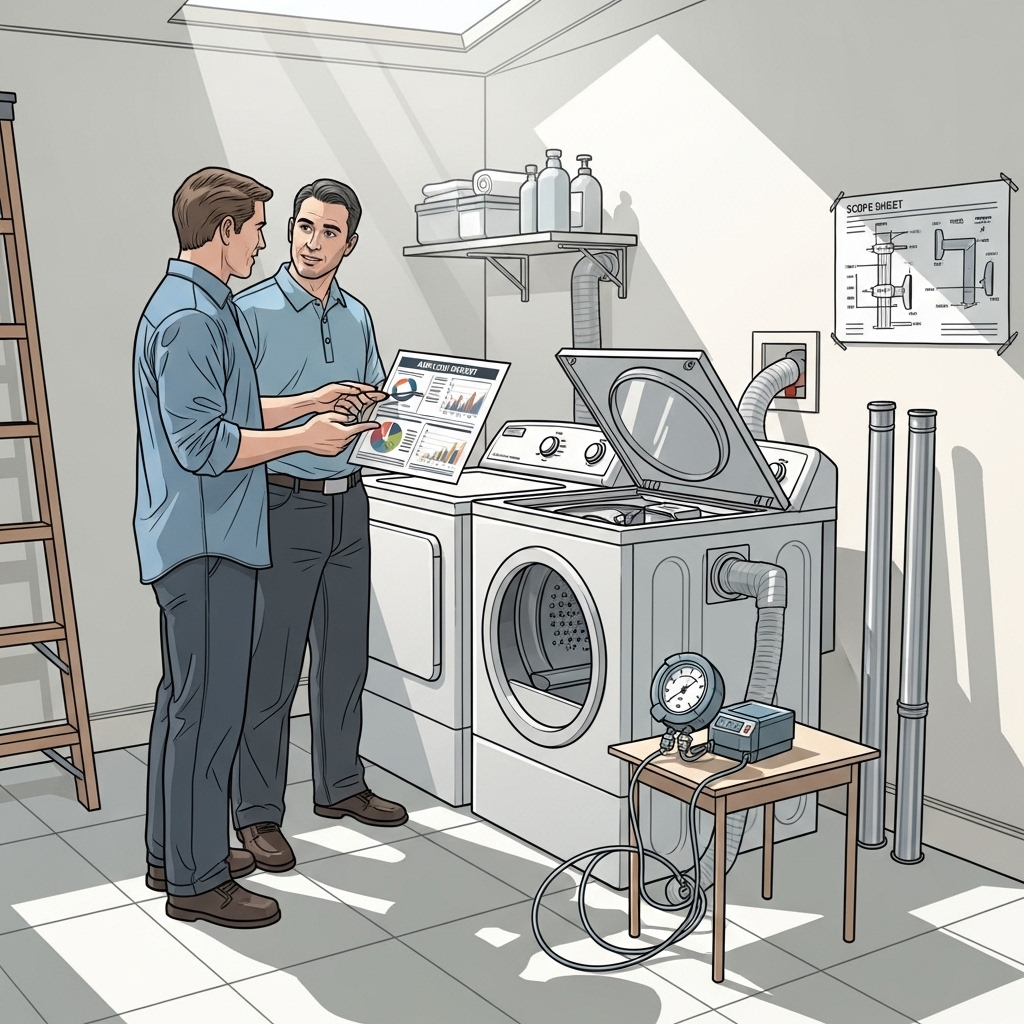
A strong appointment typically follows this arc: assessment and safety setup; transition removal and source cleaning; full-length brushing with vacuum extraction; exterior termination cleaning; transition reinstallation or replacement; airflow verification; homeowner review with maintenance recommendations. Each stage contributes to measurable improvements and a safer laundry environment.
Questions to Ask Before You Hire
- Which tools will you use for brushing and debris extraction?
- Will you clean from both the interior and exterior if needed?
- How do you verify airflow improvements after cleaning?
- What is your plan for long vents with multiple elbows or rooftop terminations?
- Do you inspect and, if necessary, replace the transition connector?
- Can you provide written documentation of findings and recommendations?
Preparing for the Appointment
- Clear a path to the laundry area and exterior hood.
- Move delicate items that could be disturbed during access.
- Secure pets and inform household members of the work window.
- Share recent symptoms such as longer cycles or unusual odors.
- If access involves a roof or high wall, plan for safe entry.
Post-Service Expectations
- Noticeably stronger airflow at the exterior termination during operation.
- Shorter, more consistent drying times.
- Reduced heat and humidity in the laundry area.
- Cleanliness of the work area and removal of debris.
- Clear, written recommendations for maintenance and any needed upgrades.
Maintenance Cadence and Recordkeeping
Set calendar reminders for periodic service based on your household size, pet presence, and vent complexity. Keep a simple log with dates, airflow observations, and notes on any changes to the vent path. For property managers, tracking each unit’s service helps prevent sudden slowdowns in shared laundry facilities and supports proactive building maintenance.
Value Beyond the Appointment
Clean vents keep dryers running within design temperatures, reduce wear on internal components, and help preserve clothing fibers. For multifamily properties, consistent maintenance supports resident satisfaction and minimizes unexpected downtime. In all cases, a documented, repeatable process delivers ongoing value far beyond the day of service.
Mid-Guide Reminder
If you are weighing your options, focus on providers who combine inspection, full-length cleaning, and airflow verification. Scheduling reliable professional dryer vent cleaning gives you measurable results and confidence that the job is done right.
Frequently Asked Questions
Q: How do I compare different service approaches?
A: Look for comprehensive methods that include brushing, vacuum extraction, exterior hood cleaning, and airflow verification. The more thorough and transparent the process, the better the results.
Q: Will a cleaner replace unsafe parts?
A: Many professionals carry safe transition connectors and can recommend or perform replacements when needed. They will explain why changes are recommended and how they improve performance.
Q: How do I know if an older vent should be rerouted?
A: If airflow remains weak after thorough cleaning or if the route includes excessive elbows and long horizontal runs, discuss rerouting options with a qualified provider.
Q: Are rooftop terminations handled differently?
A: Yes. They require careful access planning and tools suited for vertical runs. Providers should follow safety protocols and use equipment designed for those conditions.
Q: What signs suggest I need service soon?
A: Longer cycle times, a warm or humid laundry room, weak exhaust at the exterior hood, and persistent lint around the dryer are typical indicators.
Get Confident, Reliable Results
Ready to protect your home and streamline your laundry routine? Book trusted dryer vent cleaning for your Elizabeth property and enjoy safer operation, stronger airflow, and longer-lasting appliances.
